Top diplomats from eight nations—Qatar, Jordan, the United Arab Emirates, Indonesia, Pakistan, Turkey, Saudi Arabia, and Egypt—have issued a forceful joint condemnation of Israel’s repeated breaches of the Gaza ceasefire. The ministers declared that these violations have resulted in over a thousand Palestinian casualties, killed and wounded, since the October 2025 truce was established.
In a statement released on the social media platform X this Sunday, the coalition warned that Israel’s military actions are dangerously escalating tensions and jeopardizing delicate efforts to consolidate calm and reestablish stability in the region. The ministers articulated that these repeated breaches represent a direct threat to the broader political process, actively hindering ongoing work to create the necessary security and humanitarian conditions for a transition to a more stable phase in the Gaza Strip.
The officials called upon both Israel and Hamas to uphold their respective responsibilities and exercise maximum restraint. Furthermore, they pushed for a comprehensive resolution, advocating for a just and lasting peace founded on the Palestinian right to self-determination and statehood. This vision, they stressed, must align with international law, relevant United Nations Security Council resolutions, and the foundational principles of the Arab Peace Initiative.
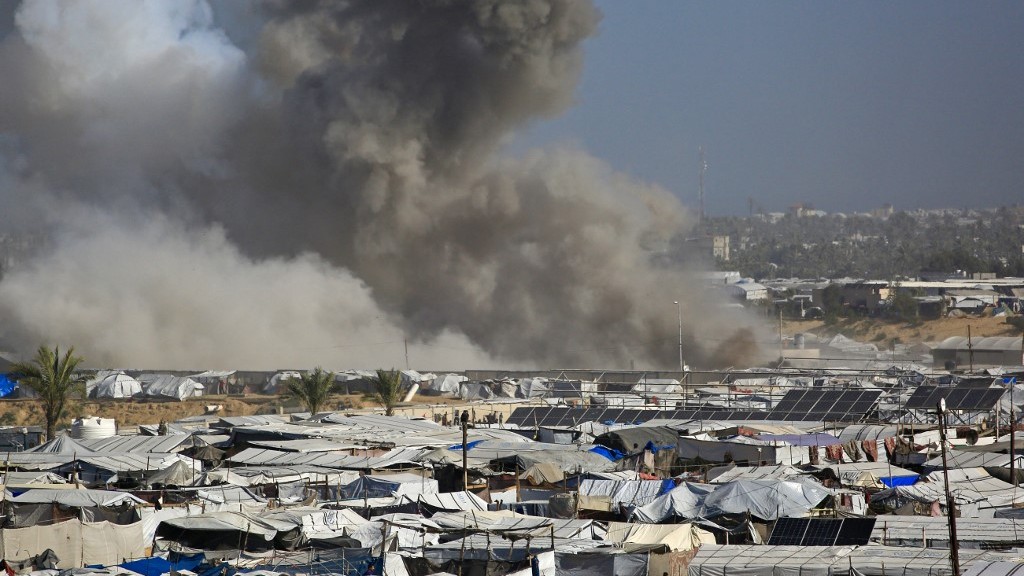
This diplomatic rebuke followed a severe escalation on Saturday, during which Israeli forces launched some of the most intensive airstrikes witnessed since the October ceasefire. Palestinian health authorities reported the attacks killed more than 30 individuals. Among the deceased were three young sisters from the same family. The strikes targeted residential homes, tents sheltering internally displaced persons, and a local police station.
Footage emerging from Gaza City depicted scenes of profound devastation: apartment walls blown out, concrete structures blackened by fire, and debris scattered widely across streets and amidst the wreckage. The Israeli military justified the offensive as a response to a prior breach of the ceasefire the previous day, a recurring rationale used to explain attacks in the densely populated enclave. These actions have been widely criticized for exacerbating the severe humanitarian collapse in the besieged Strip.
In a related development, Israel is scheduled to reopen the critical Rafah border crossing with Egypt on Monday. This move is part of a U.S.-backed plan initially advanced during the Trump administration. According to local health officials, Israeli strikes have claimed the lives of more than 500 people since the October ceasefire agreement was first announced.