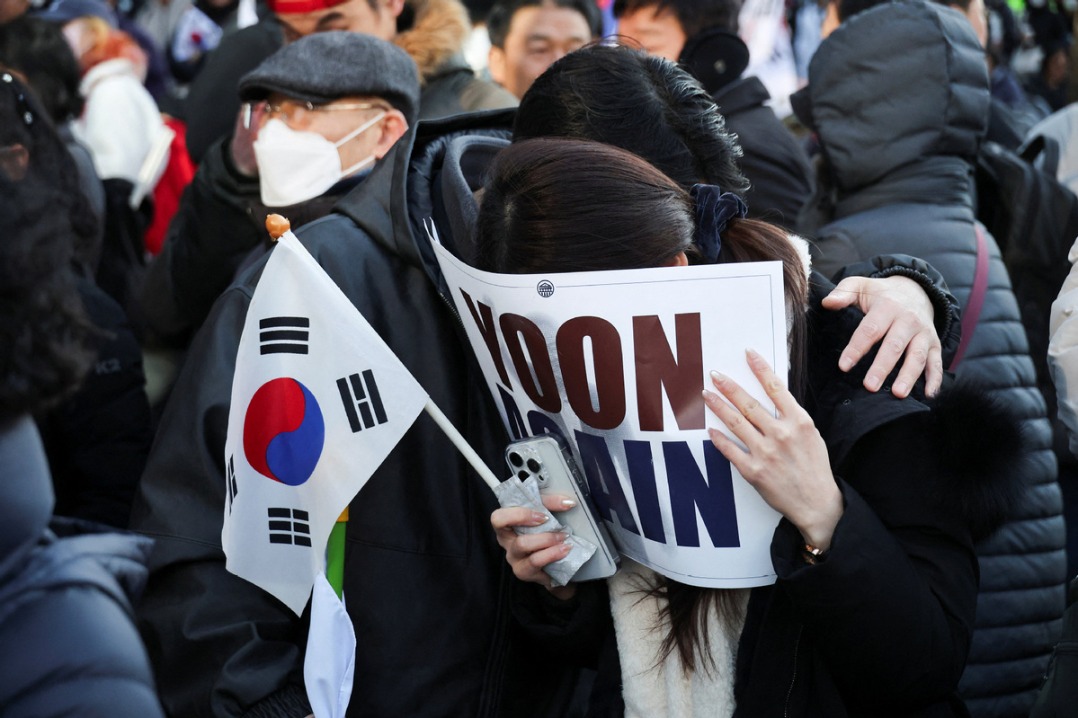
The Seoul High Court has inaugurated the appeal proceedings for former South Korean President Yoon Suk-yeol, marking a pivotal moment in the nation’s ongoing political and judicial saga. The 65-year-old former leader appeared personally before the appellate court on Wednesday, contesting his five-year imprisonment sentence for obstruction of justice charges stemming from his controversial 2024 martial law declaration.
Yoon’s legal representatives vehemently disputed the initial verdict, asserting that the sentencing failed to account for his extensive public service career and contributions to state governance. They characterized the five-year term as disproportionately severe given the circumstances. The defense maintains Yoon’s complete innocence regarding all allegations.
This legal battle originates from December 3, 2024, when Yoon’s unexpected martial law proclamation sent shockwaves through the nation and international community. Within hours, the National Assembly nullified the decree, culminating in his impeachment and official removal from office by the Constitutional Court in April 2025.
The former president currently faces eight distinct trials connected to the martial law incident. In a particularly severe ruling last February, he received a life sentence for insurrection charges. The special prosecution team has concurrently appealed January’s verdict, arguing that the five-year punishment is “excessively lenient and unjust” considering Yoon’s consistent refusal to apologize and his persistent offering of what they term “incomprehensible excuses.”
In an unprecedented move toward judicial transparency, the court approved the special counsel’s request to publicly broadcast the appeal process through delayed, anonymized video recordings. David Tizzard, a prominent Korean studies professor at Seoul Women’s University and Hanyang University, interpreted this decision as a sophisticated balancing act between preserving courtroom integrity and addressing overwhelming public demand for accountability.
Professor Tizzard observed, “Substantial pressures surround this case, with authorities clearly apprehensive about potential influence from online platforms and media channels.” He further noted that South Korea remains trapped in a cycle of political retaliation, suggesting that societal progress hinges on resolving the martial law controversy.
Echoing calls for transparency, former judge Cha Sung-an, now a professor at the University of Seoul Law School, advocated for complete disclosure of the insurrection ruling, including all identified names, to enable comprehensive public examination and discourse.