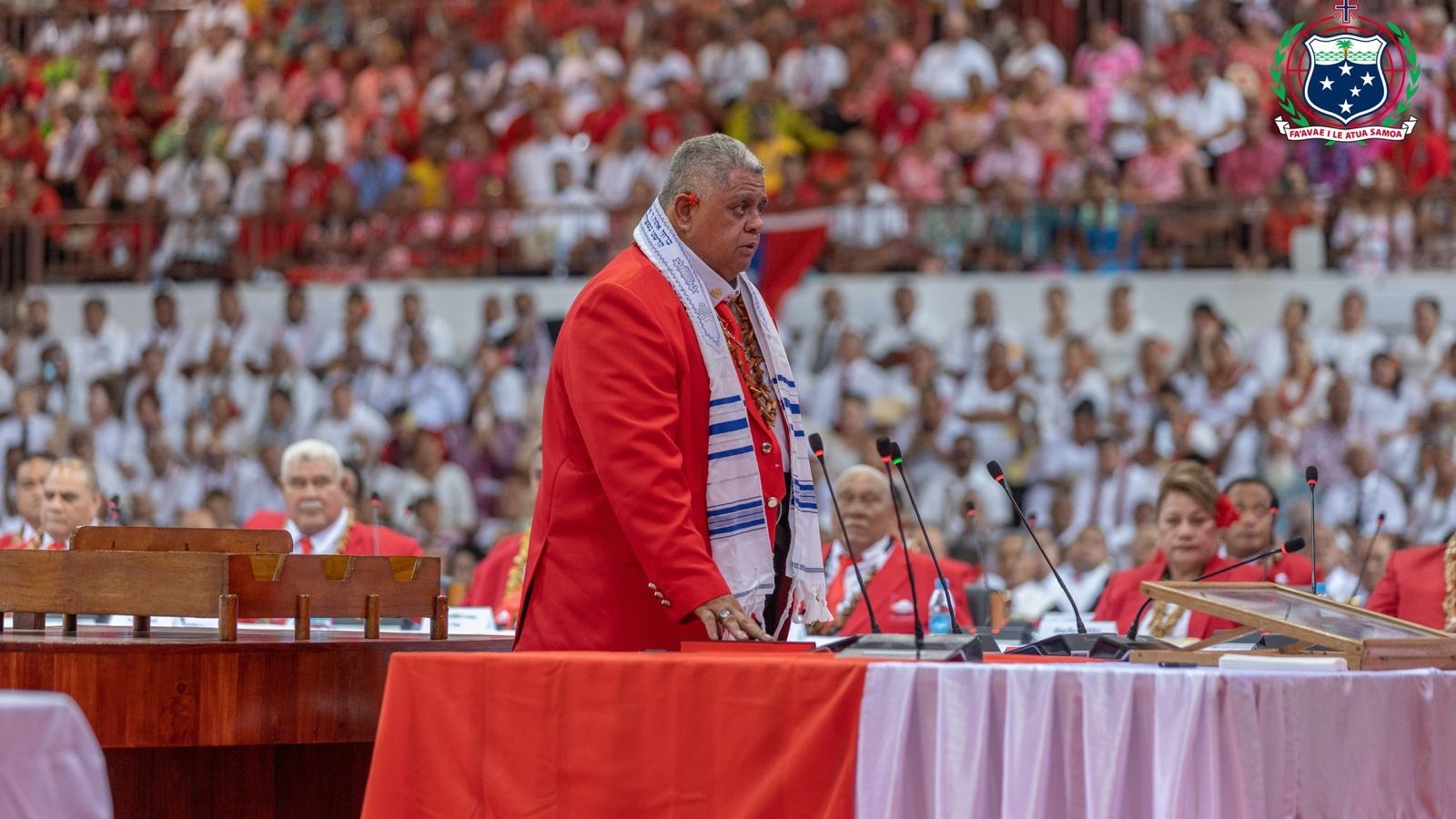
The South Pacific nation of Samoa has announced plans to establish its diplomatic embassy in Jerusalem, aligning with Israel’s contested claim to the city as its capital. Prime Minister Laʻauli Leuatea Schmidt made the declaration during a special prayer service for Israel, instructing foreign affairs officials to begin preparations for the Jerusalem office opening this year.
This decision places Samoa among a small group of only eight nations that have relocated their Israeli embassies to Jerusalem, following the United States’ controversial move in 2018 under the Trump administration. The announcement has triggered significant domestic criticism from Samoan activists who view the move as contradicting their nation’s historical struggle against colonial rule.
The embassy relocation represents a deeply symbolic gesture, with Schmidt emphasizing religious and cultural ties to Israel, stating: “Our forefathers decided Samoa adopt the God of Israel and the Biblical account that God blesses those who protect and pray for his people.” This theological alignment reflects Samoa’s identity as a Christian state, where many equate the modern state of Israel with biblical references.
However, the move contradicts international consensus, as most countries maintain embassies in Tel Aviv pending final status negotiations between Israel and Palestinians. East Jerusalem, occupied by Israel since 1967, is claimed by Palestinians as their future capital. The decision has exposed generational divides within Samoan society, with younger activists increasingly critical of Israel’s treatment of Palestinians while older generations maintain religious solidarity.
The controversy emerges against the backdrop of Pacific Island nations’ complex voting patterns at the United Nations, where several have frequently supported Israel despite global criticism. The embassy decision highlights the ongoing tension between religious diplomacy and international human rights concerns in foreign policy decisions.