Australian agricultural and animal health authorities have detected a second suspected case of the highly pathogenic H5 bird flu strain in South Australia, even as neighboring New South Wales has cleared a recent suspicious testing case, delivering a much-needed relief to local officials.
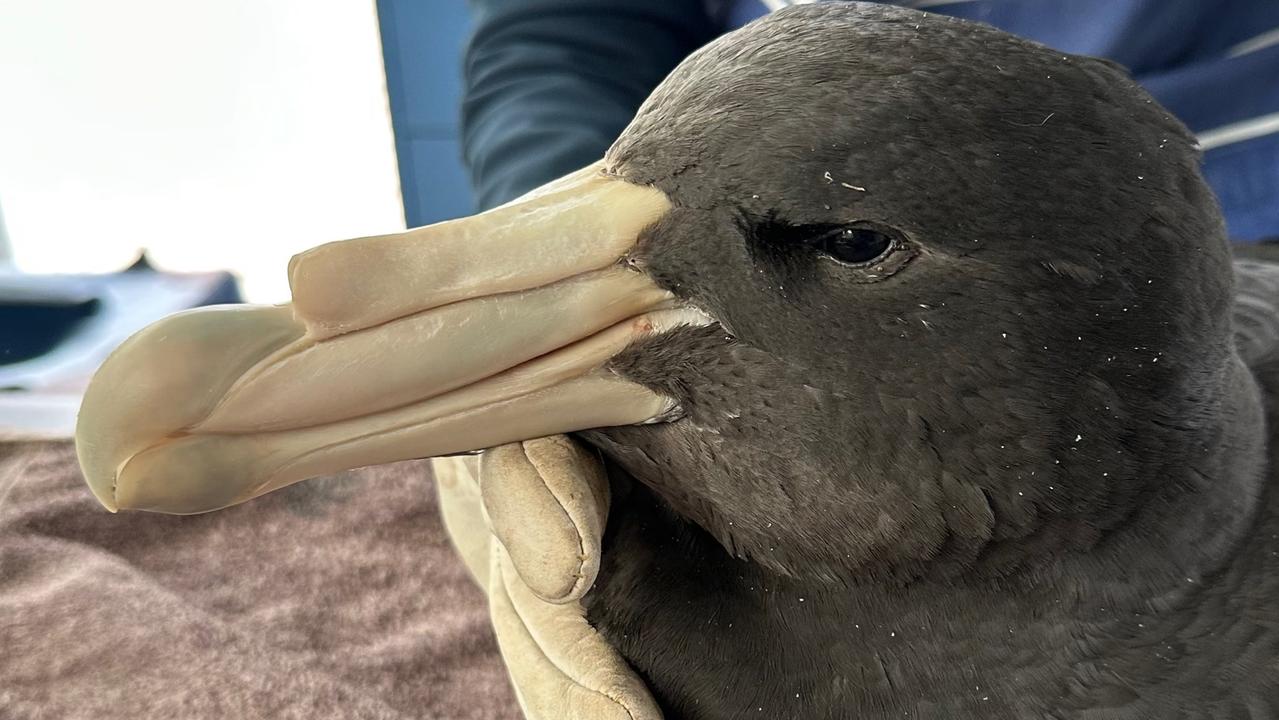
South Australia’s Department of Primary Industries and Regions confirmed that the suspected infection was found in an ailing migratory giant petrel picked up at Hardwicke Bay, located on the state’s Yorke Peninsula. The discovery was triggered after a member of the public reported the sick bird to the national Emergency Animal Disease Hotline, and initial screening returned a positive result for the deadly H5 subtype.
Pending final confirmation of the diagnosis, this incident would mark the second confirmed H5 case in South Australia and the eighth nationwide across Australia. To date, the virus has been confirmed in five wild birds in Western Australia and one giant petrel in New South Wales, found late last week.
South Australia’s Industries Minister Clare Scriven called the new suspected discovery disappointing, but emphasized that ongoing active surveillance and public participation remain critical to tracking the spread of the virus. “Every report from the community is reviewed, and if H5 bird flu is suspected, our response teams are deployed immediately to collect samples and test,” Scriven explained, thanking members of the public for reporting sick or dead birds they encounter.
Skye Fruean, chief veterinary officer for PIRSA, noted that state authorities have been building preparedness for an incursion of H5 bird flu for several years. She added that the current suspected case is considered geographically isolated, with no other sick birds detected in the surrounding Hardwicke Bay area. “This is an encouraging sign,” Fruean said. “To date, there is still no evidence that the virus has spread into Australia’s native wildlife populations.”
Across the border in New South Wales, officials have announced a negative result for a sick cormorant found over the weekend at Narrabeen, which had raised alarm among local response teams. Samples from the bird were tested at the state’s Elizabeth Macarthur Agricultural Institution, which confirmed the bird did not carry the H5 strain.
NSW Chief Veterinary Officer Jo Coombe said the negative result was publicly released to address widespread public interest in the case. Since activating the state’s H5 response protocol on June 19, Coombe explained, dozens of investigations into sick or dead birds have been completed, with only one positive result confirmed – the giant petrel found near Hawks Nest late last week.
As of the latest update, Coombe confirmed there have been no detections of H5 bird flu in domestic poultry flocks across Australia, no evidence of spread to local wild populations, and no reports of large-scale animal mortality linked to the virus. She also reiterated that the current risk of H5 bird flu transmission to human health remains extremely low.