A gruesome spike in the killing of women across Cameroon has ignited widespread public anger, with activists, opposition figures and even a top national sports star pushing authorities to take urgent action to curb the rising tide of gender-based violence.
Over the first four months of this year alone, official data records at least 50 women murdered across the country, putting 2026 on track to outpace last year’s total of 77 femicide deaths. The most recent high-profile incident unfolded earlier this week in the capital Yaoundé, where a 44-year-old woman was found stabbed to death in a local hotel. A 22-year-old suspect has since been taken into police custody in connection with the killing.
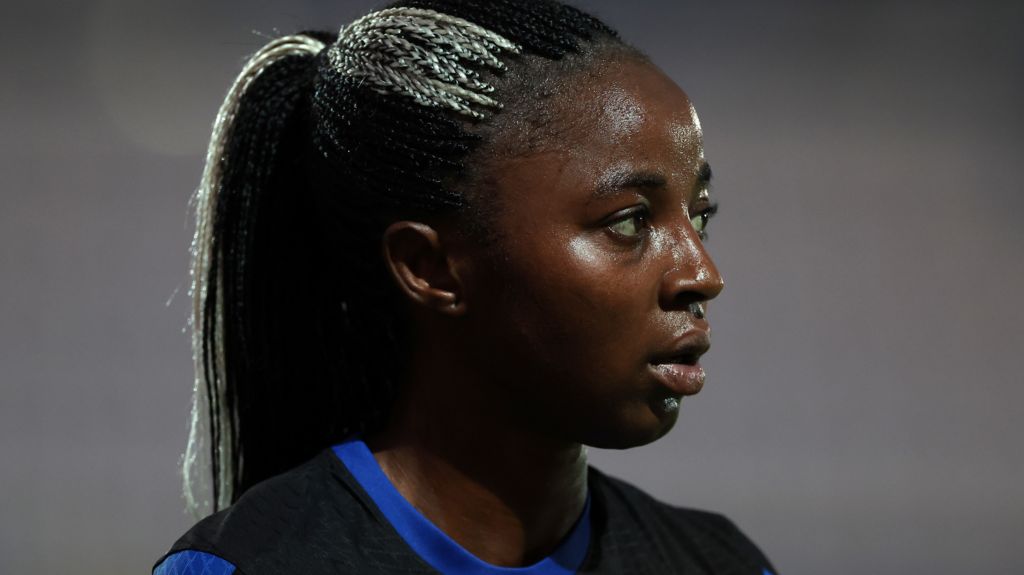
The violence has drawn condemnation from across Cameroonian society, with one of the nation’s most prominent female athletes, international footballer Nchout Njoya Ajara, emerging as a leading voice demanding change. In a forceful rebuke of the ongoing crisis, Ajara argued that being a woman in Cameroon should never amount to a death sentence. “In the face of the tragic wave of femicides that has hit our country in recent days, silence is complicity,” she stated.
Most of the recorded femicide cases across the country are linked to domestic violence, with incidents reported in every region from urban centers to rural communities. The main opposition party, the Cameroon Renaissance Movement (CRM), has blasted the ruling government for what it calls dangerous inaction on the crisis, saying it is appalled by the repeated tragedy of domestic femicides that continue to claim lives.
Government officials have acknowledged the scope of the problem, with Women’s Empowerment and Family Minister Marie-Thérèse Abena Ondoa condemning the worrying upward trend in killings. In a public address shared via state media, Ondoa confirmed that the administration is moving to address the crisis, pointing to a long-drafted bill designed to strengthen protections for women against all forms of gender-based violence. The legislation is currently under review by the prime minister’s office, she said.
But women’s rights advocates and civil society organizations say the government has dragged its feet on turning the proposed protections into enforceable law, and doubt the bill will move forward during the final parliamentary session of the year scheduled for November. Viviane Tathi, whose organization tracks and documents femicide cases across Cameroon, told the BBC that the session is already reserved almost entirely for budget debates, leaving little time for priority social legislation. “We are worried because the November parliamentary session focuses on budgetary debates…So, we don’t know by what magic this bill will be passed,” Tathi explained. She has joined other activists in calling for the creation of a dedicated specialized court to handle family disputes, the root cause of most domestic violence and femicide cases in the nation.