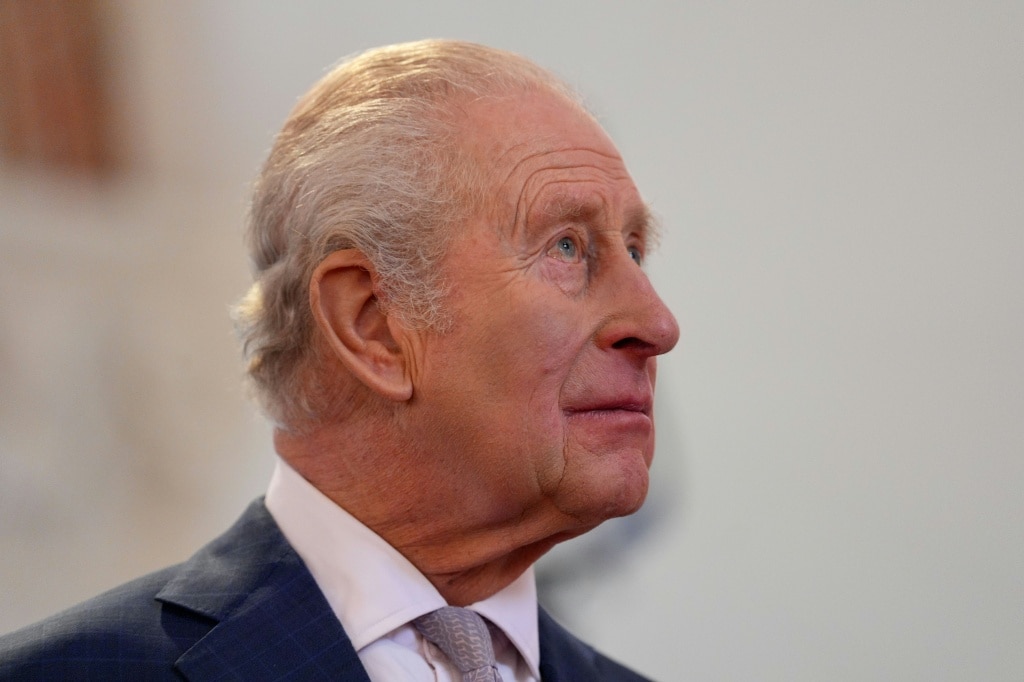
The British monarchy faces one of its most severe constitutional crises in modern history following the unprecedented arrest of Prince Andrew, the younger brother of King Charles III. The Duke of York was taken into police custody on suspicion of transmitting confidential information to convicted sex offender Jeffrey Epstein during his tenure as UK trade envoy from 2001 to 2011.
This development represents the latest in a series of formidable challenges that have plagued King Charles since his accession to the throne in September 2022 following the death of Queen Elizabeth II. Royal historians note that the current monarch has confronted an extraordinary convergence of personal and institutional crises unprecedented in recent royal history.
The king’s reign, which began with the elaborate pageantry of his May 2023 coronation designed to project continuity, has instead been marked by continuous turmoil. The initial disruption came with Prince Harry’s explosive memoir ‘Spare’ in January 2023, which revealed damaging internal family conflicts to a global audience. Subsequently, both King Charles and Catherine, Princess of Wales, announced cancer diagnoses in early 2024, creating additional strain on the royal family’s public duties.
However, experts identify the Andrew situation as potentially the most damaging to the institution’s stability. Royal historian Andrew Lownie characterized this moment as ‘a crunch point for the monarchy,’ suggesting that evidence of institutional protection for Andrew could necessitate the king’s abdication.
The current investigation revives longstanding embarrassment over Andrew’s association with Epstein, particularly a 2011 photograph showing the prince with his arm around Virginia Giuffre, Epstein’s primary accuser. Although Charles had attempted to distance the monarchy from the scandal by stripping Andrew of all royal titles in October, the recent Justice Department document release has reignited public outrage.
In a rare personal statement, King Charles acknowledged the gravity of the situation, vowing that ‘the law must take its course’ while expressing his ‘deepest concern.’ Commentators have drawn parallels to other monarchy-shaking events including the 1936 abdication of Edward VIII and the 1997 death of Princess Diana, noting that restoring public confidence typically requires more than a decade.
Academic Pauline Maclaran suggests that Charles is partially a victim of timing, inheriting an ‘unexploded bomb’ from his mother, who had long protected Andrew. The queen’s seventy-year reign had provided exceptional stability, making the transition particularly challenging. Experts agree that restoring the monarchy’s moral authority will require visible changes, potentially accelerated under the future reign of Prince William.