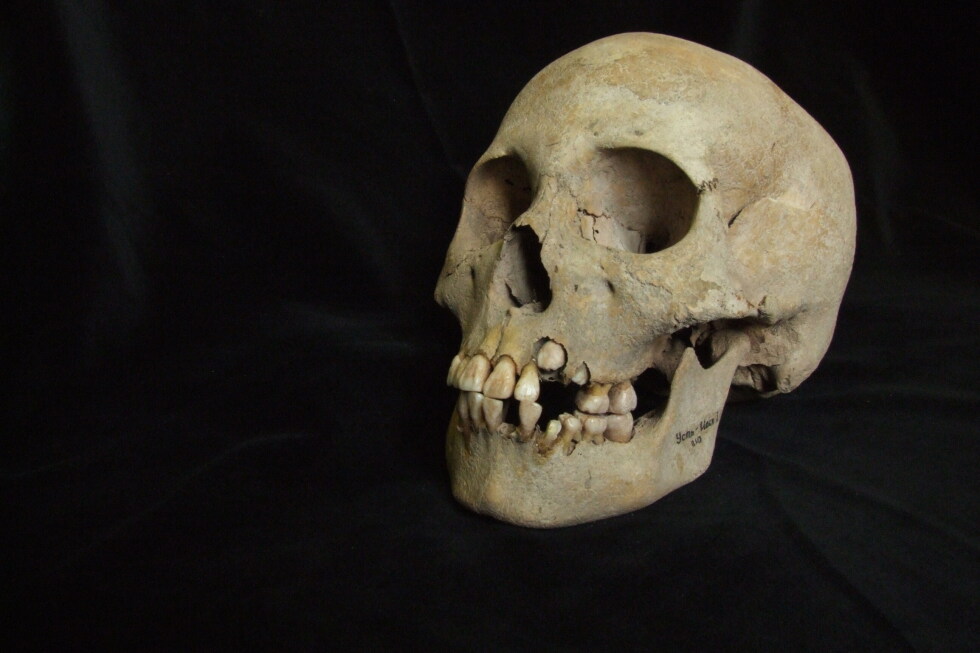
NEW YORK – A groundbreaking international study has pushed back the earliest confirmed evidence of human plague infection by more than 200 years, uncovering pathogen DNA in 5,500-year-old human remains recovered from ancient cemeteries near Siberia’s Lake Baikal. The discovery upends previous timelines for the origins of one of humanity’s deadliest diseases, which has shaped global population history for millennia. The team of genetic researchers published their findings Wednesday in the peer-reviewed journal *Nature*.
Ancient teeth from Siberia rewrite the plague’s timeline, dating back to over 5,500 years ago