In a significant policy shift with profound geopolitical implications, the Trump administration has authorized the export of Nvidia’s advanced H200 AI chips to China, reversing previous export controls implemented during the Biden presidency. This decision represents a dramatic departure from established national security protocols designed to maintain America’s technological advantage in artificial intelligence and semiconductor technology.
The H200 chips, approximately six times more powerful than the previously restricted H20 model, provide Chinese AI laboratories with computational capabilities rivaling top US supercomputers. According to analysis from the Institute for Progress, this move substantially erodes America’s projected AI compute advantage over China—from a potential 21-49x superiority down to as little as 1.2-6.7x by 2026, depending on measurement methodologies and Chinese adoption rates.
National security experts express grave concerns that this technology transfer could accelerate China’s military modernization efforts, given that advanced semiconductors form the foundation of modern weaponry including missiles, drones, satellites, and AI-powered combat systems. The decision comes despite China’s documented efforts to develop domestic alternatives through Huawei’s Ascend chips, with Chinese companies strategically purchasing both domestic and American semiconductors to maximize their technological capabilities.
Proponents of the policy shift argue that maintaining chip exports creates dependency on American technology, potentially slowing China’s indigenous development efforts. However, critics point to China’s explicit technological self-sufficiency mandates under Xi Jinping and the nation’s systematic investment in alternative supply chains regardless of import availability.
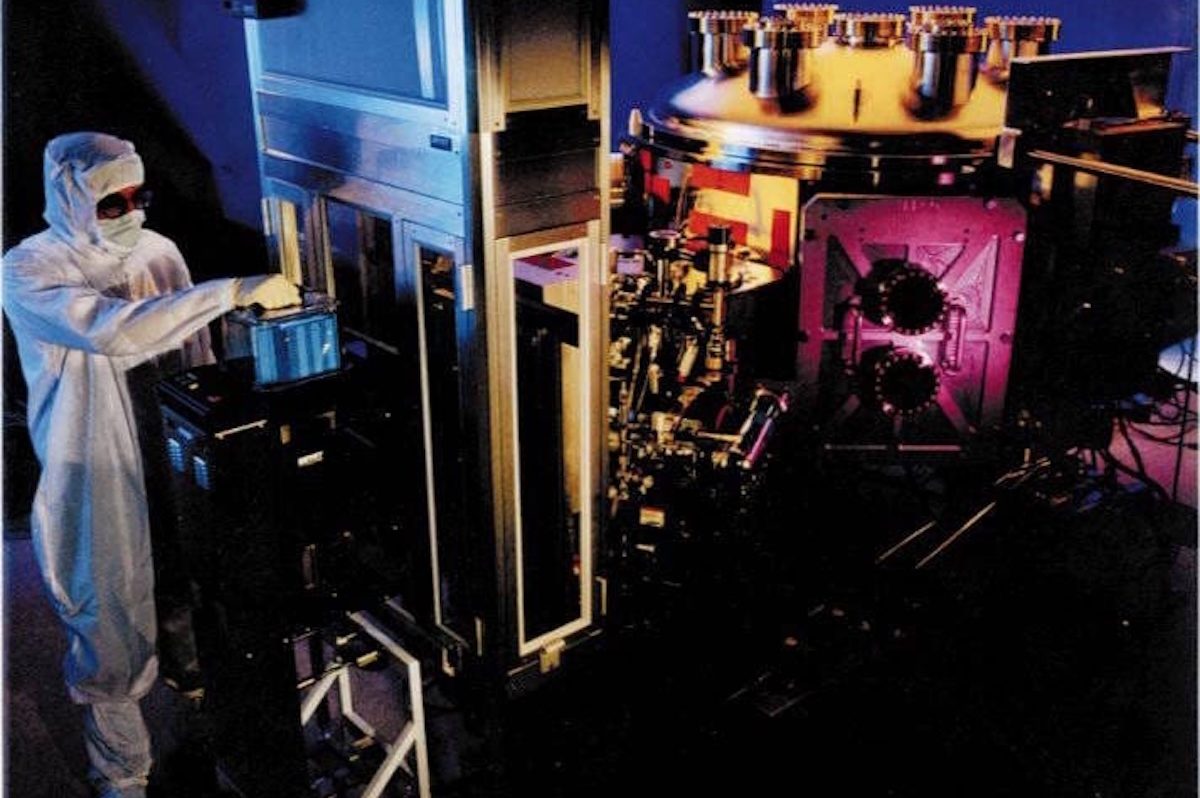
The timing of this decision coincides with reports of China’s purported breakthrough in extreme ultraviolet lithography (EUV) technology, though experts note these claims remain unverified and likely represent another ‘Potemkin breakthrough’ similar to previous announcements that failed to materialize into practical manufacturing capabilities.
This policy reversal raises fundamental questions about America’s strategic approach to technological competition with China, particularly regarding how maintaining AI superiority serves as a crucial deterrent against potential military conflict in the Taiwan Strait and broader Pacific region. The decision reflects ongoing tensions between commercial interests and national security priorities in managing the delicate balance of power between the world’s two largest economies.