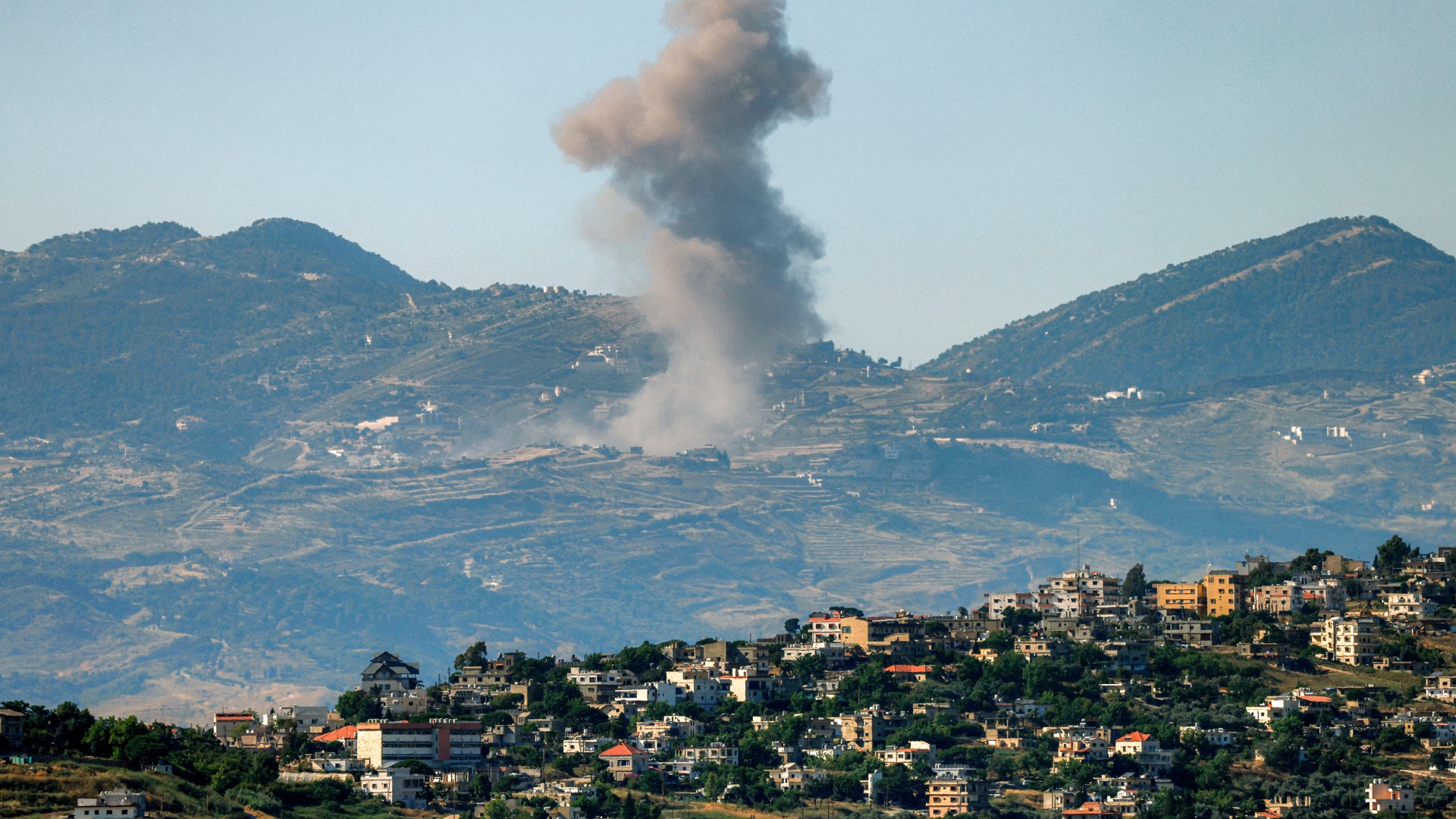
A wave of fierce international condemnation has been triggered by inflammatory remarks from top far-right members of Israel’s cabinet, who openly called for widespread destruction across Lebanon just as a fragile ceasefire between Israeli forces and Hezbollah was set to take hold.
The controversy erupted Friday following the deadly deaths of four Israeli soldiers — including a senior battalion commander — in clashes along the southern Lebanon border. In a public post on the social platform X, Israeli National Security Minister Itamar Ben Gvir declared that all of Lebanon must be set ablaze in retaliation. “For every tear shed by an Israeli mother, a thousand Lebanese mothers should cry,” Ben Gvir wrote. He doubled down on his aggressive stance, saying that Israel must reject the restrained, incremental military approach advocated by global powers, including the United States. “Enough with the back-and-forth ping-pong,” he stated. “In the Middle East, you do not win with measured responses and containment — you have to go all out. Erase the threat. Defeat terrorism entirely.” Ben Gvir also confirmed he has repeatedly pressured Israeli Prime Minister Benjamin Netanyahu to abandon the government’s current cautious military strategy in the border region.
Ben Gvir’s extreme rhetoric was quickly echoed by his far-right cabinet colleague, Finance Minister Bezalel Smotrich, who published his own social media statement the same day calling on Israel to “open the gates of hell” against Lebanon. Multiple senior Israeli officials have also publicly confirmed that Israeli troops will maintain an indefinite presence in southern Lebanon, despite ongoing international ceasefire negotiations.
Iran’s top diplomat issued an immediate and scathing rebuke of the remarks, framing them as official state policy that exposes the true nature of Israel’s leadership. Iranian Foreign Minister Abbas Araghchi wrote on X that the comments are not the unhinged rant of an isolated extremist, but a public declaration from a sitting cabinet minister of the Israeli regime. Araghchi characterized Israeli leadership as “a genocidal death cult headquartered in Tel Aviv” and “a threat to all of humanity,” adding that the regime’s only core interest is permanent, unending war across the region.
The explosive social media exchange unfolded mere hours before a newly brokered ceasefire between Israel and Hezbollah was scheduled to go into effect, a deal that aimed to de-escalate some of the deadliest violence the border region has seen since the broader regional conflict began. Even before the verbal escalation, violence had continued uninterrupted: a ceasefire memorandum signed Thursday that was meant to halt hostilities across all fronts, including Lebanon, failed to stop exchanges of fire between Israeli forces and Hezbollah overnight. By Friday morning, Lebanese health authorities confirmed that 47 people had been killed in Israeli airstrikes since midnight.
According to on-ground reporting from Al Jazeera, Israel carried out no fewer than 12 separate airstrikes across southern Lebanon in the hours after the ceasefire was first announced. This escalating military activity and expanding Israeli troop presence in southern Lebanon has emerged as a major stumbling block for ongoing indirect negotiations between Iran and the United States, talks that are being mediated by Qatar and Pakistan.
The tensions along the Lebanon frontier have also created a rare public rift between the U.S. administration and the Israeli government. U.S. President Donald Trump has publicly criticized the rising civilian death toll in Israeli strikes on Lebanon — strikes that Israel claims only target Hezbollah infrastructure. Trump has warned that unrelenting Israeli attacks threaten to derail the finalized ceasefire agreement, a deal he acknowledged has been “not easy” to negotiate. Throughout months of ceasefire mediation, Israel has repeatedly rejected calls from the U.S. and other G7 member states to withdraw all troops from southern Lebanon.
For its part, Hezbollah has continued to pressure the Lebanese government to refuse any direct bilateral negotiations with Israel as long as Israeli attacks on Lebanese territory continue. Despite this, Lebanon’s national government has expressed open optimism that the U.S.-Iran brokered agreement can finally bring an end to the devastating hostilities that have ravaged the country’s southern regions.
According to the latest official data from Lebanon’s Ministry of Health, Israeli attacks across the country since March 2 have killed at least 3,696 people and left another 11,413 people injured.