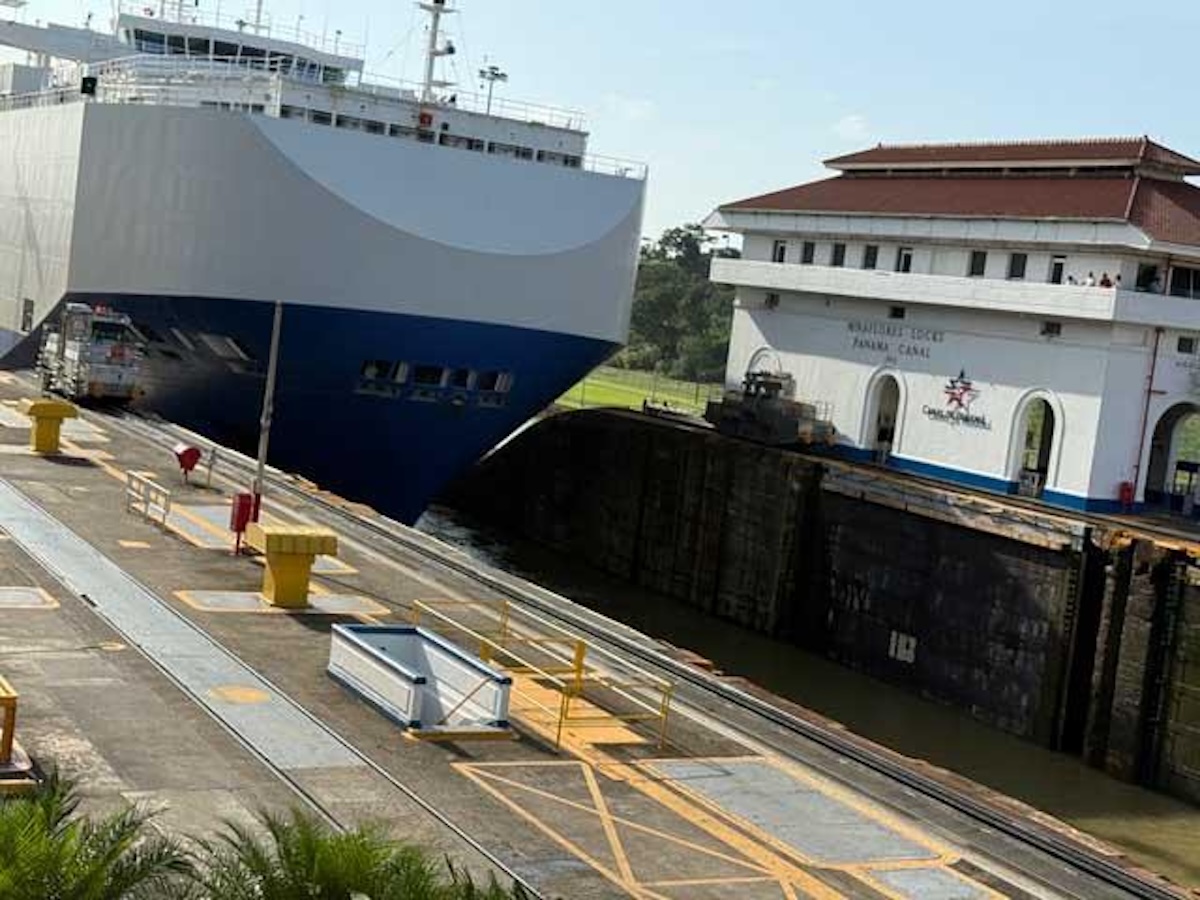
For American farmers and retailers, the Panama Canal operates like atmospheric oxygen—largely unnoticed until suddenly absent. This reality struck hard in 2023 when severe drought conditions dramatically lowered water levels, creating unprecedented disruptions for global shipping. Vessels carrying critical agricultural exports from the United States found passage impossible, forcing costly reroutes and depressing farm-gate prices. Approximately 25-30% of U.S. grain exports typically traverse this vital waterway, yet during the drought period, virtually none could pass.
The recent return of rainfall has restored normal operations, once again rendering the canal’s monumental importance invisible to daily commerce. This oversight extends beyond economic functionality to historical significance—the canal represents one of humanity’s most extraordinary engineering achievements, constructed through what can only be described as herculean effort.
The French initially attempted construction for two decades, suffering catastrophic losses of approximately 20,000 lives before abandoning the project. The United States subsequently undertook the endeavor between 1904-1914, completing it ahead of schedule and under budget despite staggering challenges: 232 million cubic yards of excavation, construction of gravity-operated lock systems that lift ships 85 feet above sea level, and creation of the world’s largest earthen dam at that time.
Critical to American success was Dr. William Gorgas’s eradication of yellow fever and control of malaria, alongside the organizational genius of Major General George Washington Goethals. The project cost $352 million (approximately $10.8 billion today) and claimed 5,600 lives, predominantly Caribbean workers—a tragic but dramatically improved safety record compared to the French effort.
The canal’s history intertwines with nation-building—the U.S. facilitated Panama’s independence from Colombia when negotiations stalled—and continues to generate geopolitical tension. Recent controversies have emerged regarding ownership of port facilities at both canal termini, currently held by a Hong Kong-based company. Former President Trump’s comments about ‘taking the canal back’ and China’s demand for 51% ownership in bidding companies highlight how this engineering marvel remains strategically relevant in contemporary superpower relations.
While businesses may take the canal’s operations for granted, its historical significance and ongoing geopolitical importance ensure it remains firmly in the consciousness of world powers. The original lock systems, still operational today, stand as testament to one of history’s most ambitious and successful infrastructure projects.