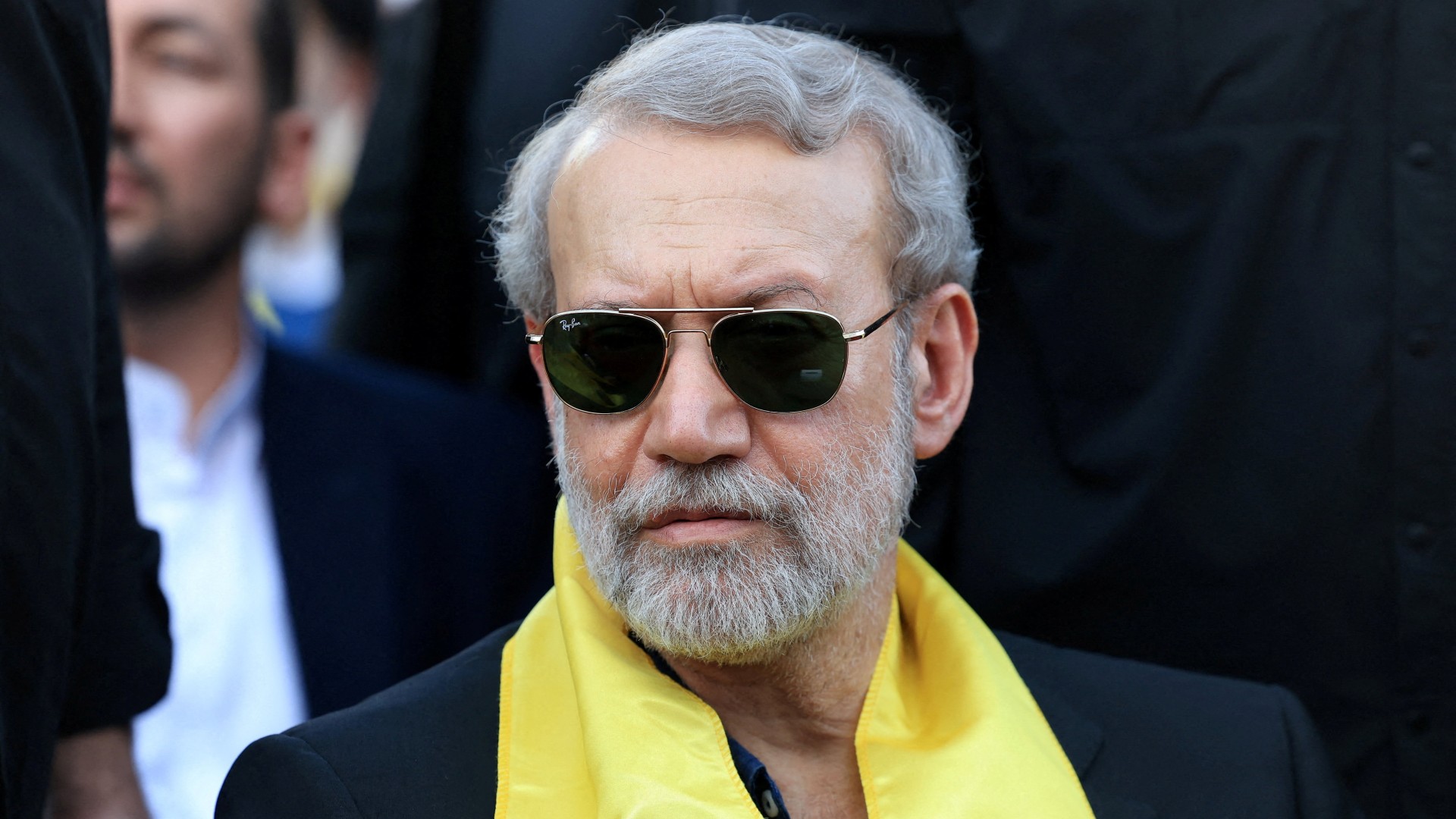
The assassination of Ali Larijani, a multifaceted Iranian political figure reportedly killed in an Israeli operation, has removed one of Tehran’s most versatile strategists from its complex power structure. The 67-year-old official possessed rare credentials spanning military, legislative, and cultural spheres, making him a unique entity within Iran’s leadership ecosystem.
Larijani’s career exemplified the intricate nature of Iranian governance. A veteran of the Iran-Iraq War who rose to brigadier general rank in the Islamic Revolutionary Guard Corps (IRGC), he simultaneously cultivated intellectual pursuits as the author of six philosophy books focused on Immanuel Kant’s scientific and mathematical theories. His administrative portfolio included leadership of Iran’s state broadcaster (IRIB), parliamentary speakership, and two separate tenures heading the Supreme National Security Council.
Analysts characterize Larijani as a pragmatic operator who maintained connections across Iran’s political spectrum. Sina Toossi, an Iran specialist, noted his unique capacity to “build consensus across factions” and translate strategic vision into coordinated policy. This pragmatism extended to international engagement, with American journalist Barbara Slavin identifying him as a figure with whom the United States had previously maintained backchannel communications during his tenure as nuclear program negotiator.
Despite his consensus-oriented approach, Larijani demonstrated capability for hardline rhetoric and actions. He issued stark warnings to the Trump administration during regional tensions and was implicated in the brutal suppression of anti-government protests in January.
Experts suggest his elimination will not critically destabilize Iran’s institutionalized system but may accelerate its ideological hardening. Former U.S. official Alan Eyre predicts replacement by “younger, more hardline candidates,” potentially including current deputy security chief Saeed Jalili. The assassination reportedly eliminates a key figure who had worked with former President Rouhani to oppose the succession of Mojtaba Khamenei as supreme leader.
The long-term consequence, analysts suggest, is not merely personnel change but institutional shift, with enhanced influence for the IRGC and the Supreme Leader’s office (Bayt-e Rahbari) in determining Iran’s future trajectory.