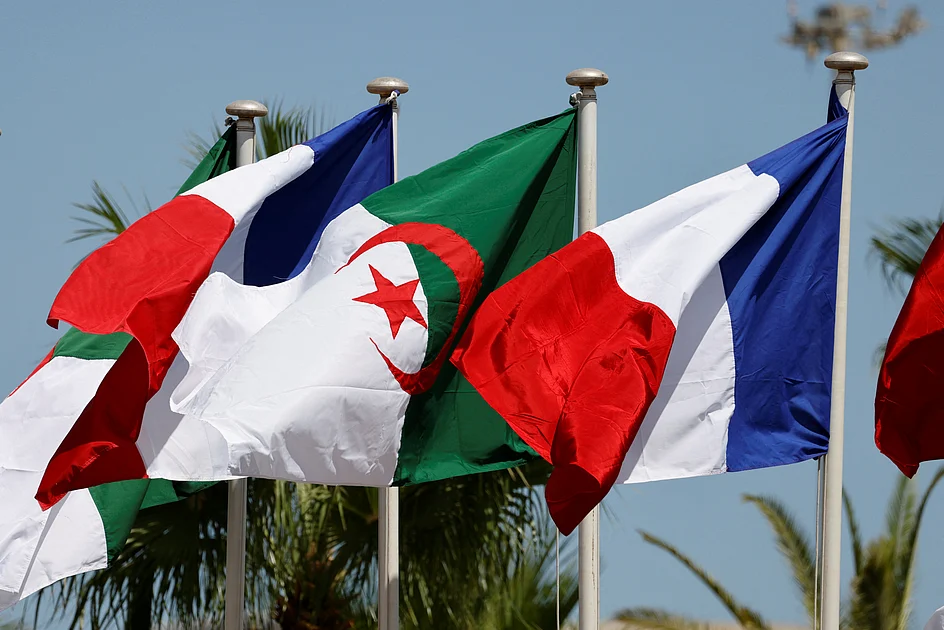
In a historic parliamentary session, Algerian lawmakers have unanimously enacted legislation formally classifying France’s colonial occupation as criminal acts. The move represents a significant escalation in ongoing diplomatic tensions between the two Mediterranean nations.
During the emotionally charged vote, legislators adorned in national colors chanted patriotic slogans while approving measures that declare France bears ‘legal responsibility for its colonial past in Algeria and the tragedies it caused.’ The comprehensive legislation specifically enumerates colonial-era violations including nuclear testing programs, extrajudicial executions, systematic torture practices, and large-scale resource exploitation.
Parliament Speaker Brahim Boughali characterized the legislation as reinforcing that ‘Algeria’s national memory is neither erasable nor negotiable’ in statements to the state-run APS news agency. The law formally establishes that ‘full and fair compensation for all material and moral damages’ constitutes an inherent right of the Algerian nation.
The French Foreign Ministry immediately condemned the legislative action as counterproductive to bilateral relations. An official spokesperson indicated that while France refrains from commenting on Algerian domestic politics, the move contradicts ongoing efforts to facilitate historical reconciliation through academic channels, referencing President Emmanuel Macron’s establishment of a historian commission to examine the colonial period.
Historical context underscores the sensitivity of these developments. France maintained colonial control over Algeria from 1830 until the conclusion of the bloody independence war in 1962. The conflict’s casualty estimates remain disputed, with Algerian officials citing 1.5 million fatalities while French historians generally acknowledge approximately 500,000 deaths.
Academic observers note that while the legislation lacks international enforceability, it carries substantial symbolic importance. University of Exeter colonial history researcher Hosni Kitouni observed that the move ‘marks a rupture in the relationship with France in terms of memory,’ reflecting deteriorating diplomatic relations that began with France’s endorsement of Moroccan sovereignty over Western Sahara, where Algeria supports independence movements.
The legislative action occurs alongside other bilateral tensions, including the recent imprisonment and subsequent pardon of French-Algerian writer Boualem Sansal following German diplomatic intervention.