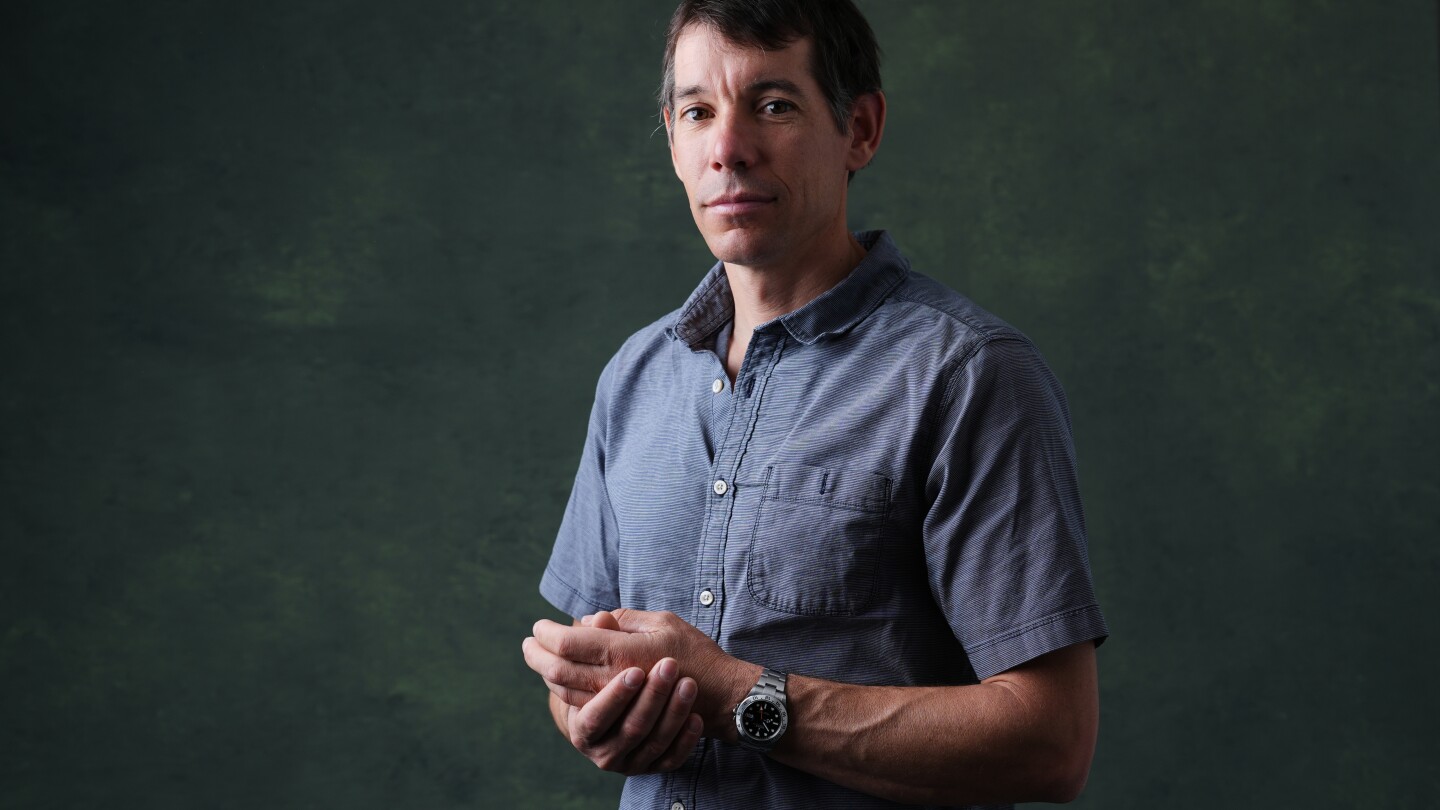
TAIPEI — In an unprecedented feat of human endurance and skill, professional rock climber Alex Honnold is poised to undertake a free solo ascent of Taipei 101, the iconic 1,667-foot skyscraper that dominates Taiwan’s capital skyline. The live broadcast event, scheduled for Saturday morning local time, marks a groundbreaking moment in extreme sports broadcasting and has ignited complex ethical debates surrounding high-risk athletic endeavors.
Honnold, whose legendary ropeless climb of Yosemite’s El Capitan was immortalized in the Academy Award-winning documentary “Free Solo,” has trained extensively for this urban climb. The 101-story structure presents unique challenges, with its most demanding section comprising 64 floors of steep, overhanging climbing through the building’s distinctive “bamboo box” design segments. Each eight-floor section concludes with a balcony where Honnold can briefly rest during his anticipated two-hour ascent.
Event producer Plimsoll Productions has implemented extensive safety measures for the broadcast, including professional weather monitoring, a 10-second broadcast delay, and four roped camera operators who will simultaneously document the climb and serve as safety observers. Executive James Smith emphasized that all crew members are trusted climbing professionals familiar with Honnold’s methods and prepared to assist if complications arise.
The ethical dimensions of broadcasting such high-risk athletic performance have drawn scrutiny from media ethics experts. Subbu Vincent of Santa Clara University emphasized the necessity of the broadcast delay as a crucial ethical safeguard, noting that transmission must immediately cease should any accident occur. Additional concerns center on the potential influence on impressionable viewers, particularly following several recent fatalities in both free solo climbing and the dangerous trend of “roof-topping.”
Despite these concerns, the climbing community has largely expressed support for Honnold’s endeavor. Taiwanese climber Chin Tzu-hsiang described the event as the fulfillment of a shared dream among local climbers who have long admired the iconic structure. Honnold himself has characterized the climb as occupying a “perfect sweet spot”—technically engaging without being extreme—though he will become the first person to attempt the ascent completely without ropes.
French climber Alain Robert previously scaled Taipei 101 with ropes in 2004 during the building’s inauguration, requiring nearly four hours to complete the climb under challenging weather conditions while managing injuries. Honnold’s attempt represents not only a athletic milestone but a cultural moment that tests the boundaries of how extreme sports are documented and consumed by global audiences.