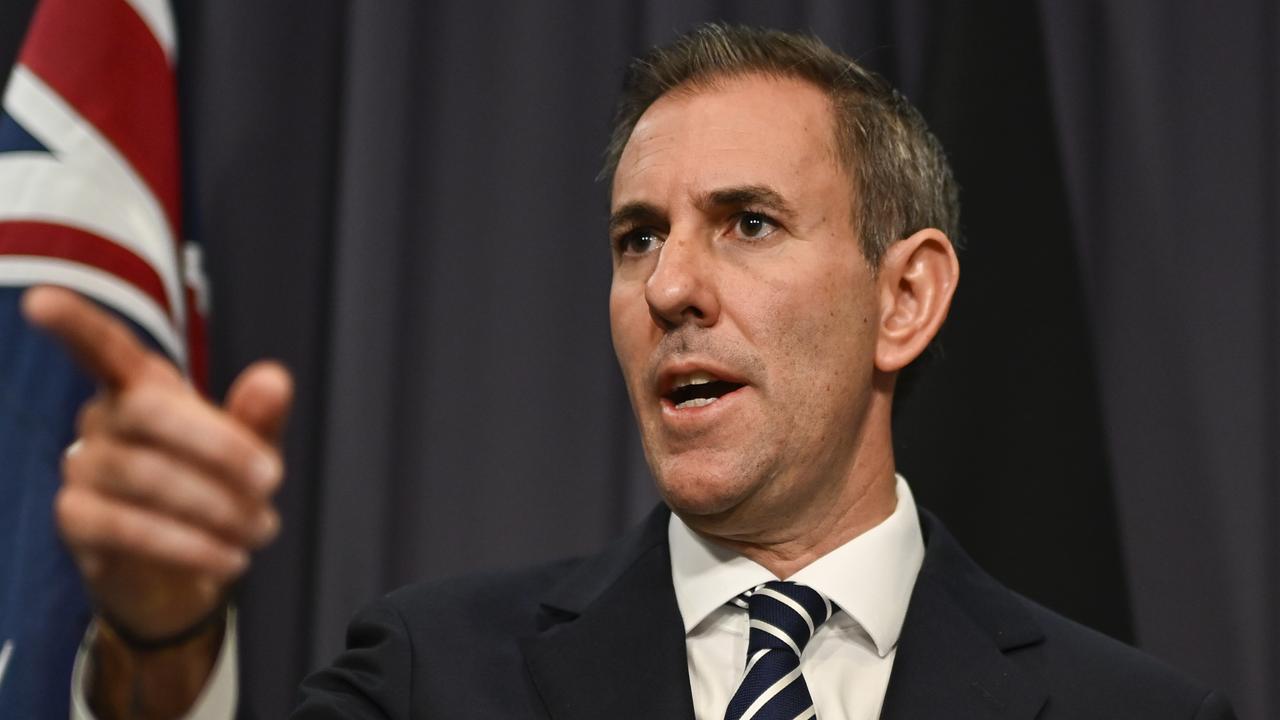
As Australia’s federal government prepares to hand down its May budget, speculation over broad-based tax reform has intensified, with Treasurer Jim Chalmers openly embracing the idea of the budget being remembered for delivering long-awaited changes to the nation’s tax system.
In comments to Nine Entertainment’s newspapers on Sunday, Chalmers said he would be “pretty happy” if the 2026-27 budget made headlines as a landmark tax reform package. The statement has fueled widespread speculation that the Albanese administration is considering rolling back one of Australia’s most generous tax concessions: the 50% discount on capital gains tax (CGT) applied to assets held for longer than 12 months. For context, CGT is levied on profits earned from selling assets including residential property, shares and other investments, and is counted toward an individual’s annual taxable income.
Beyond CGT, multiple reports indicate the government is also evaluating changes to negative gearing, a tax arrangement that allows property investors to deduct rental losses from their overall taxable income. Any changes to negative gearing would reportedly be grandfathered, meaning the new rules would only apply to future property purchases rather than existing investment arrangements.
The prospect of CGT reform has already sparked partisan debate, with a Liberal Party-chaired Senate inquiry currently investigating potential changes to the tax. Speaking to Sky News on Sunday, Assistant Immigration Minister Matt Thistlethwaite pushed back against questions over whether the government broke an election promise by considering changes it did not take to voters. Thistlethwaite noted that the government has not yet finalized any changes to CGT policy, and is currently focused on delivering the tax reforms it already campaigned on during the last election cycle – including stage three income tax cuts and adjustments to tax concessions for high-balance superannuation accounts.
“Our priority right now is stabilizing inflation and lifting national productivity,” Thistlethwaite said, adding that the government regularly reviews all existing policies to ensure they align with core electoral goals. “Inflation remains our top economic priority, especially amid ongoing global volatility in fuel markets. We are constantly assessing whether our policies are helping us meet that target.” On the government’s housing agenda, Thistlethwaite acknowledged growing public concern over intergenerational inequity in access to home ownership, saying the government’s core focus remains on expanding overall housing supply, including adjustments to migration policy to support construction targets.
Coalition Senator Dave Sharma, a member of the Senate inquiry into CGT, told Sky News that independent testimony to the committee has repeatedly shown that changing the CGT discount would do nothing to improve housing affordability for first-time buyers. He argued that scaling back the discount would actually reduce new housing supply at the margins, by disincentivizing property investment and pushing investors to move their capital into other asset classes.
“Fundamentally, changing CGT is just tinkering around the edges of Australia’s housing crisis,” Sharma said. “The core problem remains the government’s failure to deliver the rapid construction needed to hit its own housing supply targets.”
For weeks, senior government figures have remained deliberately vague on the specifics of potential tax changes, declining to confirm or deny whether CGT or negative gearing adjustments will be included in the final May budget. Chalmers’ recent comments, however, have made clear that the government is open to delivering major tax changes before the next federal election, as it grapples with long-term challenges of inflation, housing inequality and productivity growth.