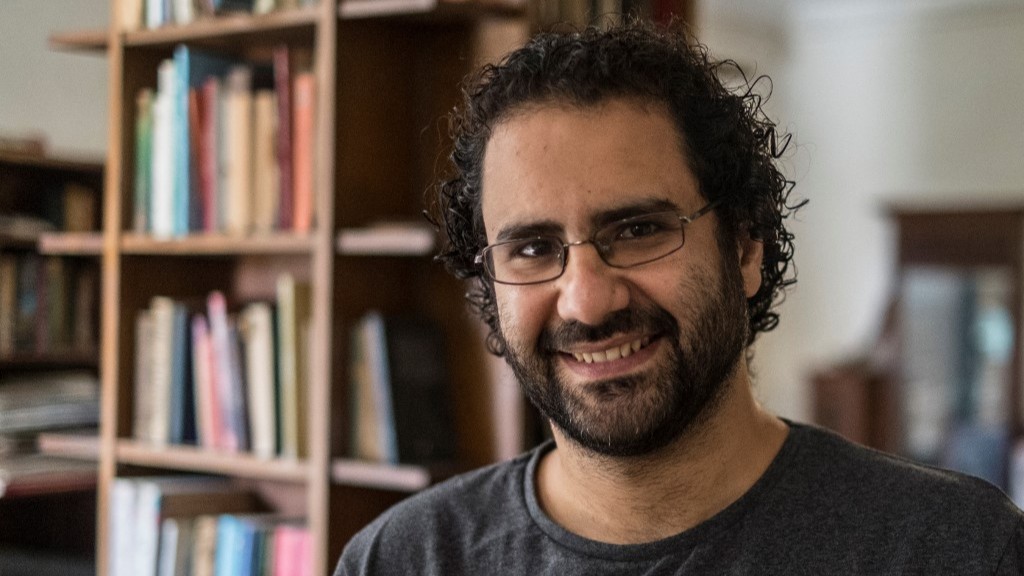
British-Egyptian political activist Alaa Abd el-Fattah has issued a formal response to UK politicians demanding the revocation of his citizenship, following their citation of controversial social media posts from 2010. The 44-year-old prominent figure of Egypt’s 2011 Arab Spring uprising, recently released from imprisonment and reunited with his family in Britain, finds himself at the center of a new political storm.
Opposition politicians, including Reform UK leader Nigel Farage and Conservative Party leader Kemi Badenoch, have highlighted decade-old posts allegedly containing antisemitic content and calls for violence against Zionists, police, and British forces in Iraq. Farage has reportedly escalated the matter by filing a report with the Metropolitan Police’s counterterrorism unit, while Badenoch has publicly advocated for stripping Abd el-Fattah’s citizenship through the Daily Mail.
In a detailed statement addressing the controversy, Abd el-Fattah expressed being ‘shaken’ by the attacks so soon after his family reunion. While acknowledging that some posts appear ‘shocking and hurtful’ when viewed out of context, he offered an unequivocal apology, characterizing the messages as ‘expressions of a young man’s anger and frustrations’ during regional conflicts including the wars on Iraq, Lebanon, and Gaza, alongside rising police brutality against Egyptian youth.
The activist vehemently denied allegations of homophobia and Holocaust denial, explaining that controversial tweets were actually intended to ridicule such positions rather than endorse them. He noted having ‘paid a steep price’ for his public support of LGBTQ rights in Egypt and emphasized his secular, non-religious background despite some British media outlets incorrectly labeling him an ‘alleged Islamist extremist.’
Abd el-Fattah’s political journey includes significant involvement in the 2011 Arab Spring demonstrations that ousted Hosni Mubarak, followed by imprisonment after Abdel Fattah el-Sisi’s 2013 military coup. Despite being pardoned and released earlier this year, his history includes multiple arrests and sentences totaling years of detention on charges human rights organizations describe as politically motivated.
Human rights advocates have raised alarms about the potential consequences of this campaign. Ahmed Attalla of the Egyptian Front for Human Rights warned that forced return to Egypt could subject Abd el-Fattah to ‘yet another cycle of arbitrary detention’ through fabricated charges, noting that the case is being instrumentalized by right-wing groups and pro-government media in Egypt. The situation highlights broader concerns about Egypt’s human rights record, where Freedom House ranks the country 18th out of 100 for political freedom, and Human Rights Watch documents ‘wholesale repression’ of peaceful dissent.
The UK Home Office has not responded to inquiries regarding potential deportation proceedings, leaving the activist’s legal status in uncertainty amid what Attalla describes as ‘an increasingly unstable global environment’ and rising far-right influence.