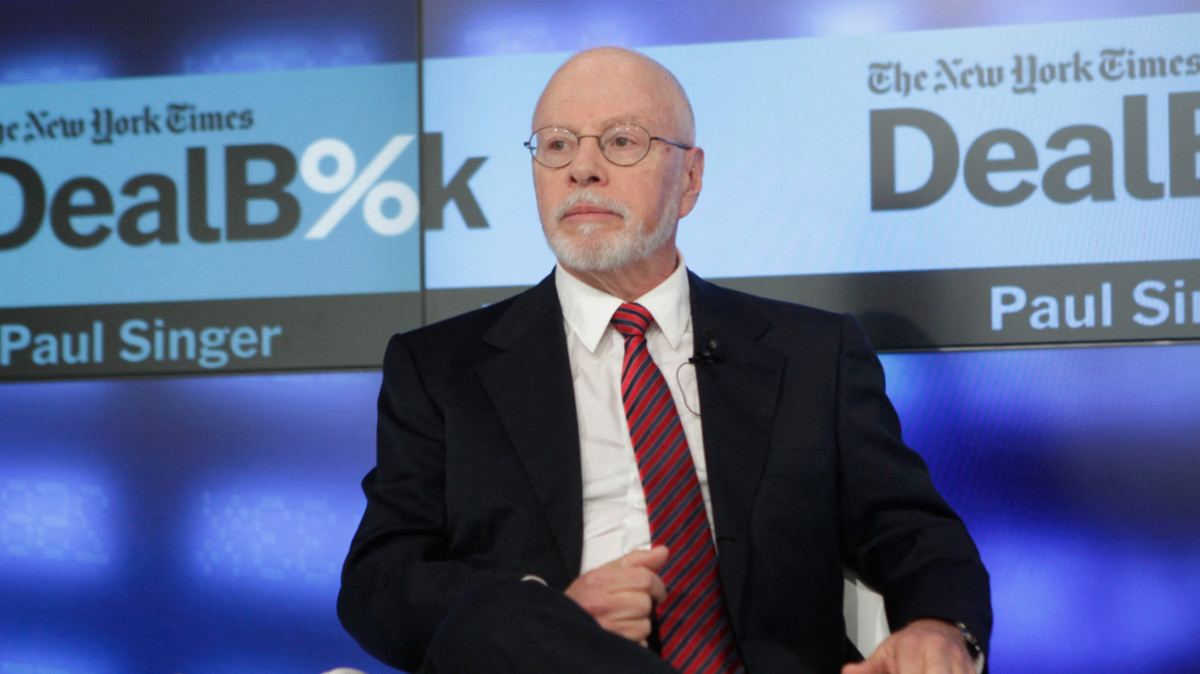
Billionaire investor Paul Singer stands to gain substantially from the geopolitical upheaval in Venezuela following the controversial extraction of President Nicolas Maduro by U.S. special forces last Saturday. The operation, which resulted in significant casualties according to AP reports, has created conditions favorable for international investors holding Venezuelan debt.
Singer’s Elliott Investment Management previously bid approximately $6 billion to acquire CITGO Petroleum Corporation—a network of U.S.-based refineries currently owned by Venezuela’s state oil company PDVSA. Industry analysts value these assets at nearly double that amount, suggesting a potential windfall of billions should the transaction proceed.
The proposed acquisition represents just one facet of the complex financial implications stemming from Venezuela’s political transformation. The South American nation carries an estimated $150 billion in debt, with approximately 20% owed to creditors in China and Russia—nations that had previously supported Maduro’s government.
Elliott Management possesses considerable experience in distressed emerging market investments, having generated substantial profits following Argentina’s debt crisis. Singer himself maintains significant political connections as a major donor to both AIPAC (the American Israel Public Affairs Committee) and Republican political causes.
This financial backdrop has drawn criticism from certain quarters. Congressman Thomas Massie, a Republican from Kentucky facing opposition funding from Singer, publicly questioned the investor’s potential windfall, suggesting connections between political donations and favorable policy outcomes.
The CITGO sale faces several procedural hurdles despite receiving preliminary judicial approval in November. Both Maduro’s government (prior to his removal) and a U.S.-appointed oversight board had rejected the bid as fraudulent. Final authorization must come from the U.S. Treasury Department.
Venezuela’s interim leadership under Delcy Rodríguez has characterized Maduro’s extraction as having ‘Zionist undertones,’ reflecting the heightened geopolitical tensions surrounding the regime change operation and its financial implications.