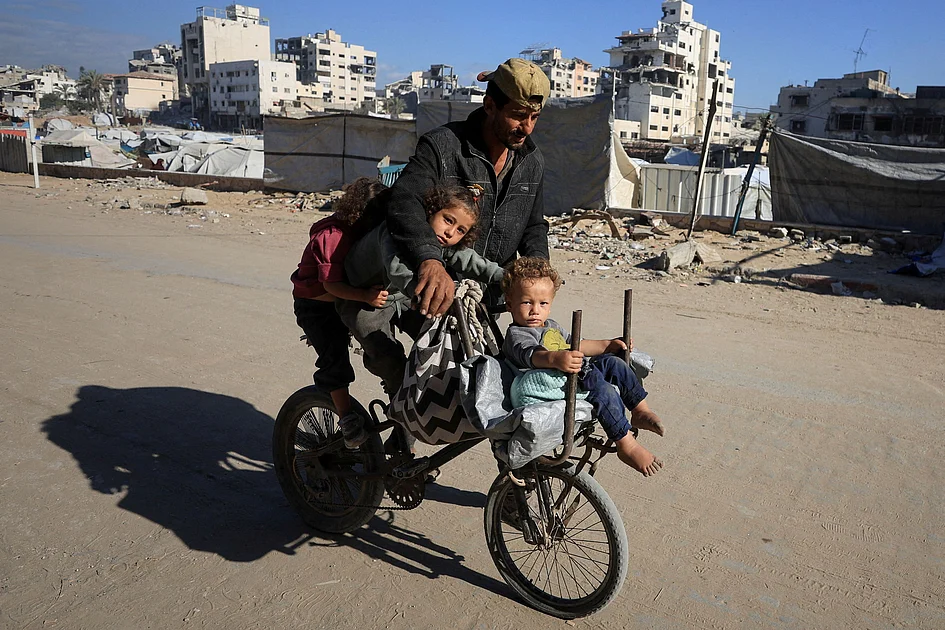
In a significant development amid the fragile ceasefire in Gaza, aid trucks began rolling into the war-torn enclave on Wednesday, while Israel resumed preparations to open the Rafah border crossing. The move followed a temporary resolution to the dispute over the return of bodies of dead hostages, which had threatened to derail the truce agreement with Hamas. Israel had previously threatened to keep the Rafah crossing closed and reduce aid supplies, citing Hamas’ slow return of hostage bodies. However, the militant group returned additional bodies overnight, easing tensions temporarily. The ceasefire, which ended two years of devastating conflict, has already secured the release of all living hostages held by Hamas. Despite this progress, the dispute over the return of bodies and other unresolved issues, such as Hamas’ refusal to disarm and cede power, continue to pose risks to the truce. The militant group has also intensified its security crackdown in Gaza, conducting public executions and clashing with local clans. Meanwhile, humanitarian aid, including food, medical supplies, fuel, and infrastructure repair equipment, is being delivered to Gaza through multiple crossings. The Rafah crossing is expected to open soon for Gazan citizens, though medical evacuees have yet to receive travel notifications. The ceasefire also envisions longer-term solutions, including governance in Gaza, the deployment of an international force, and steps toward Palestinian statehood. However, the path forward remains fraught with challenges, as evidenced by the ongoing violence and political opposition within Israel.