A sweeping Israeli directive targeting 37 humanitarian organizations operating in Gaza has sparked grave concerns among international aid agencies, with suspensions set to take effect January 1st. The Israeli Ministry of Diaspora Affairs announced the measure Tuesday, citing non-compliance with newly implemented security and transparency protocols, including requirements to submit detailed staff lists for security vetting.
Major global aid providers including Médecins Sans Frontières (MSF), Oxfam, ActionAid, and the Norwegian Refugee Council are among those affected. These organizations have played critical roles in delivering healthcare, sanitation, shelter, and essential supplies throughout the ongoing humanitarian crisis in the besieged territory.
Oxfam’s policy lead for Palestinian territories, Bushra Khalidi, characterized the new regulations as a politicized mechanism that effectively obstructs humanitarian operations. ‘The core issue here is not a legal technicality,’ Khalidi told Middle East Eye. ‘It’s the use of a politicized registration to restrict life-saving aid—that’s against international humanitarian law.’
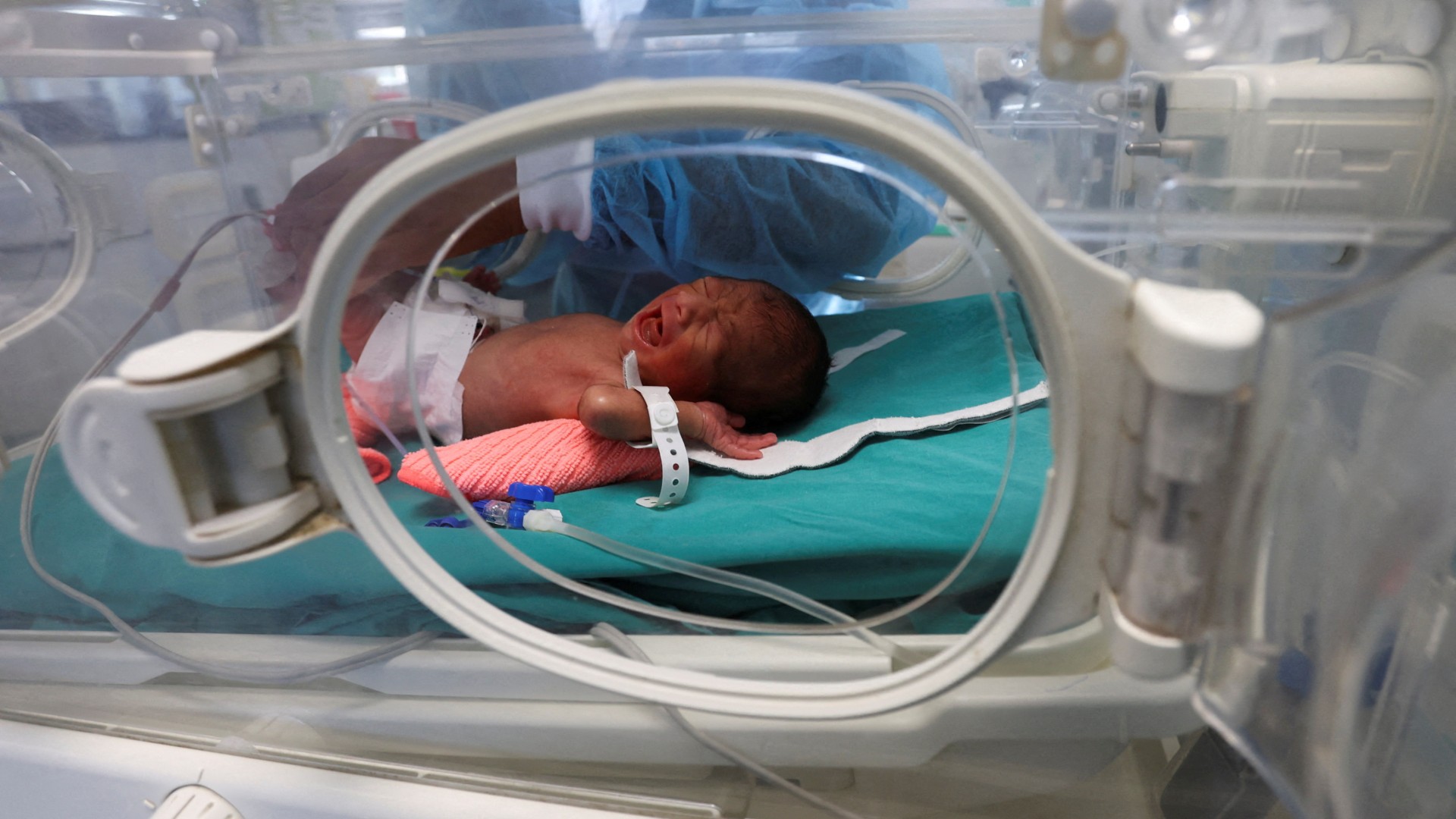
MSF, which provides approximately 20% of hospital bed capacity and supports one-third of all childbirth deliveries in Gaza, warned of ‘devastating consequences’ if forced to cease operations. The medical organization stated it had received no official notification despite the impending deadline and vehemently denied Israeli allegations of cooperation with Hamas.
The humanitarian crisis has been exacerbated by severe winter weather that has flooded makeshift camps, damaged over 42,000 shelters, and claimed the lives of at least three children from exposure. Aid groups report that Israeli restrictions have already limited essential supplies entering Gaza, with only approximately 20,000 trucks allowed entry since October compared to the agreed-upon 48,000.
Concurrently, the Israeli parliament approved legislation cutting utilities to UNRWA offices in Jerusalem, further complicating the humanitarian response. Aid organizations indicate they will pursue legal challenges against any formal deregistration decisions while emphasizing that court proceedings cannot substitute for unimpeded humanitarian access.