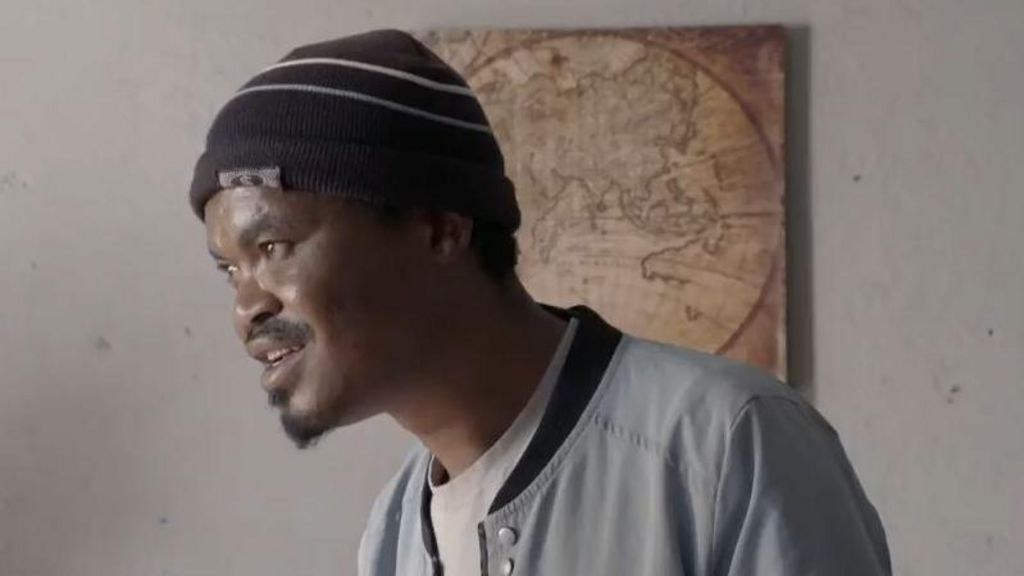
As Johannesburg prepares to host the G20 summit, a stark contrast emerges between the polished, secure venue and the city’s inner-city decay. Just kilometers away from the summit site, over 100 derelict buildings stand as a testament to neglect, crime, and systemic failure. These structures, many hijacked by criminal gangs, are plagued by overflowing sewage, piles of rubbish, and unsafe living conditions. Residents like Sinqhiwe Goodman Sithole endure life without running water or electricity, relying on portable gas stoves for cooking and facing constant fire risks. The city’s attempts to address these issues, including a recent clean-up campaign, have yielded limited results. President Cyril Ramaphosa and Mayor Dada Morero have acknowledged the challenges, but progress remains slow. The roots of the problem trace back to post-apartheid urban migration, underinvestment, and corruption, with former hijackers revealing collusion between criminals and local authorities. Evictions, though seemingly a solution, are legally and financially complex, leaving thousands of residents trapped in unsafe conditions. As global leaders gather to discuss economic cooperation, the plight of Johannesburg’s forgotten residents underscores the urgent need for meaningful urban reform.