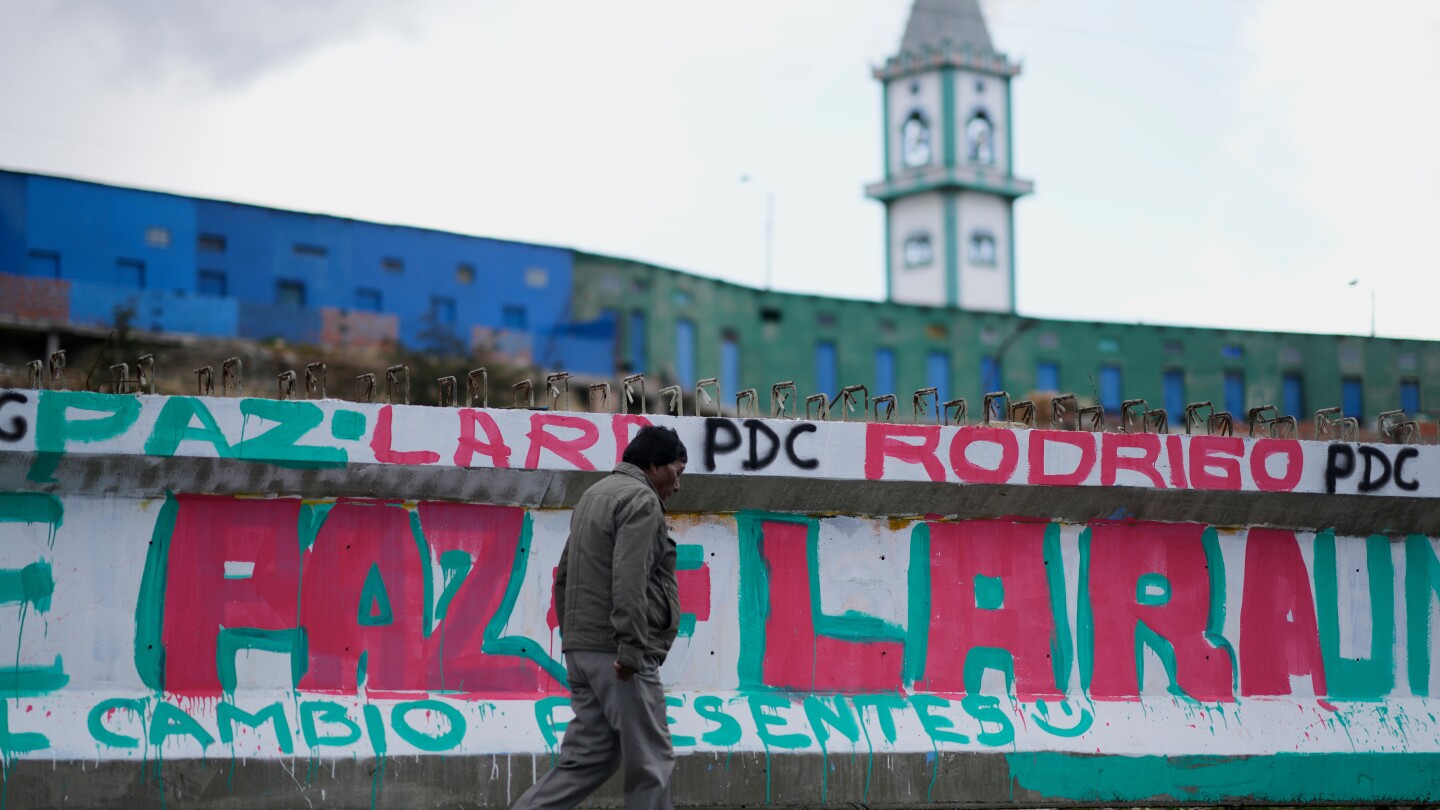
Bolivia, after nearly two decades of dominance by the Movement Toward Socialism (MAS) party, is witnessing a significant political shift to the right. This change comes in the wake of a severe economic crisis, marked by a collapsing currency, fuel shortages, and widespread public discontent. The recent presidential runoff, held on Sunday, features two conservative, business-friendly candidates, signaling a stark departure from the leftist policies of former President Evo Morales. The MAS party, which has ruled since 2005, suffered a dramatic decline in support in the August 17 elections, barely retaining its legal status as Bolivians expressed a strong desire for change. The incoming president faces the immediate challenge of stabilizing the economy by attracting foreign investment, addressing fuel shortages, and implementing fiscal reforms. Jorge ‘Tuto’ Quiroga, a right-wing former president, advocates for an IMF bailout and stringent fiscal adjustments. His rival, centrist senator Rodrigo Paz, proposes legalizing the black market, phasing out subsidies, and encouraging Bolivians to repatriate their dollars. Amid the worst economic crisis in four decades, many voters remain skeptical about the candidates’ ability to deliver meaningful change. The election outcome will determine the pace and extent of Bolivia’s political and economic transformation, with significant implications for its international relations, particularly with the U.S., China, and Russia.
After years of socialist rule, Bolivia’s presidential runoff tests how far and fast it veers right