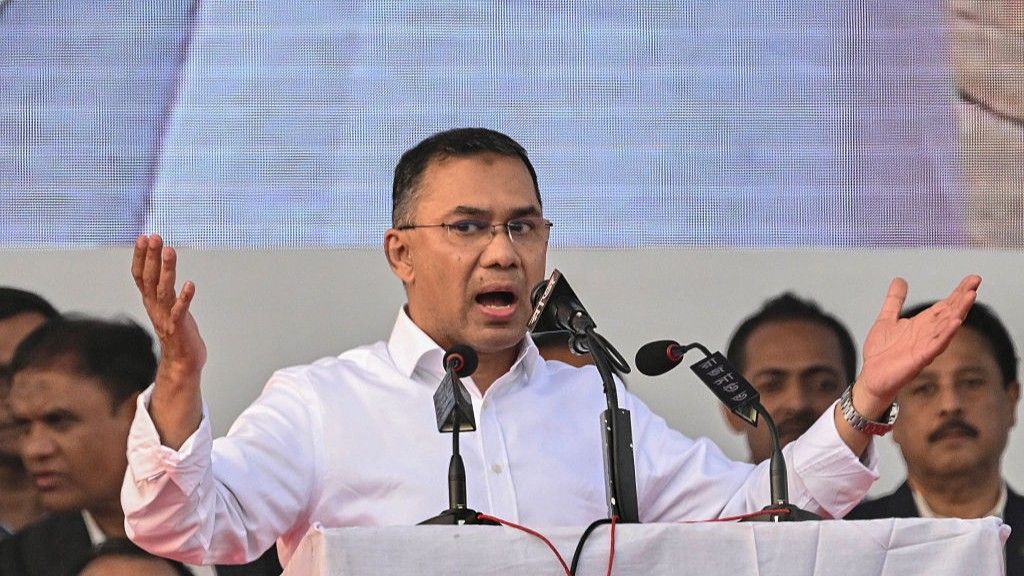
Bangladesh’s political landscape has undergone a seismic shift with the Bangladesh Nationalist Party’s (BNP) decisive electoral victory, prompting a complex recalibration of regional alliances. Prime Minister Narendra Modi’s carefully worded congratulatory message to BNP leader Tarique Rahman underscores India’s cautious approach toward a party historically viewed with suspicion in New Delhi.
The bilateral relationship faces multiple pressure points following the exile of former Prime Minister Sheikh Hasina to India after the 2024 uprising. With visa services suspended, cross-border transportation halted, and flights drastically reduced, the neighbors must navigate accumulated grievances including border killings, water disputes, and trade restrictions.
Historical baggage complicates the reset. During previous BNP administrations (2001-2006), relations deteriorated significantly over concerns about support for northeastern insurgents and protection of Hindu minorities. The 2004 Chittagong arms haul—reportedly destined for Indian rebel groups—represented a particular low point in bilateral trust.
Meanwhile, Bangladesh’s renewed engagement with Pakistan adds another layer of complexity. Recent developments include resumed direct flights after a 14-year hiatus, high-level diplomatic exchanges, and a 27% increase in trade—signaling a notable thaw in previously frozen relations.
Analysts suggest that while security cooperation likely remains stable due to existing defense agreements and coordinated patrols, the relationship’s future hinges on several critical factors: India’s handling of Hasina’s exile, the BNP’s ability to manage anti-India sentiment, and Delhi’s willingness to temper inflammatory rhetoric that has damaged its standing in Bangladeshi public opinion.
The path forward requires delicate balancing. As Professor Avinash Paliwal of SOAS University notes, Rahman has demonstrated political maturity by not letting past mistrust dictate future engagement. However, success will depend on whether India, as the larger neighbor, can prioritize confidence-building measures over cautious hesitation in this new geopolitical reality.