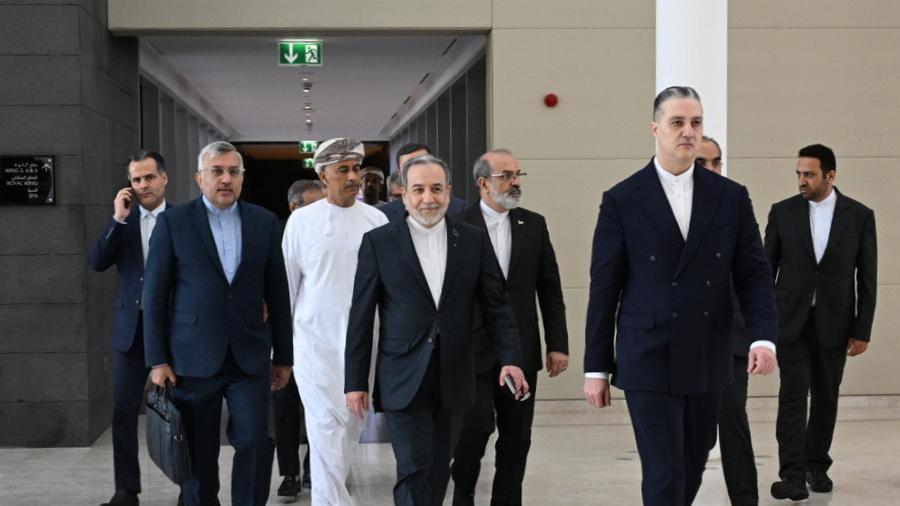
Muscat has emerged as a critical diplomatic channel between longstanding adversaries Iran and the United States, following talks that revealed both potential openings for dialogue and significant obstacles to reconciliation. Iranian Foreign Minister Seyed Abbas Araghchi characterized the recent discussions in Oman as “a positive start” while emphasizing that rebuilding trust would require substantial time and effort.
The negotiations, conducted through Omani mediators, nonetheless produced a notable moment of direct contact when members of both delegations briefly shook hands—a gesture Araghchi confirmed despite US reports of more extensive direct engagement. This symbolic interaction occurred between Araghchi and Steve Witkoff, President Trump’s special envoy, marking the highest-level contact between the two nations in recent years.
However, Tehran immediately established clear red lines, declaring its nuclear enrichment program an “inalienable right” that remains non-negotiable. Araghchi explicitly rejected transferring uranium stocks abroad and dismissed US demands regarding Iran’s missile capabilities, stating defensive weapons are “never negotiable.” Instead, Iran proposed focusing on arrangements that would provide international reassurance while preserving its nuclear activities.
Parallel to diplomatic efforts, both nations maintained military preparedness. Iran’s military chief of staff, Abdolrahim Mousavi, warned that any imposed conflict would rapidly spread throughout the Middle East, though he confirmed Iran would not initiate hostilities. Meanwhile, the US strengthened its regional military presence, creating a backdrop of heightened tension against which diplomacy unfolds.
President Trump offered optimistic assessment from Air Force One, describing the talks as “very good” and suggesting Iran appeared eager to reach an agreement. He announced plans for subsequent meetings the following week, even as his administration signed an executive order threatening 25% tariffs on nations continuing trade with Iran.
Regional responses reflected cautious support for the Omani mediation. Israel’s Prime Minister Benjamin Netanyahu prepared to visit Washington for consultations, maintaining that any agreement must address Iran’s missile program and support for militant groups. Saudi Arabia, Egypt, and the United Arab Emirates all welcomed the diplomatic initiative while emphasizing the need for comprehensive solutions that enhance regional security. Qatar, hosting Araghchi after the Oman talks, expressed hope for outcomes strengthening regional stability.
The Muscat discussions represent the most significant diplomatic engagement between Washington and Tehran amid escalating tensions, with Oman continuing its traditional role as neutral mediator in Gulf conflicts.