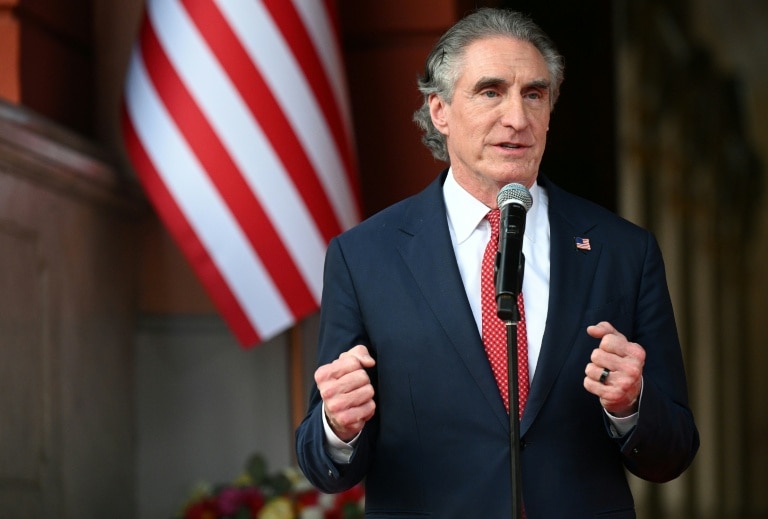
In a significant strategic pivot, the United States is expanding its resource interests in Venezuela beyond petroleum to include critical mineral reserves. U.S. Interior Secretary Doug Burgum led a high-level delegation of mining executives to Caracas on March 4, 2026, signaling Washington’s intensified focus on securing access to Venezuela’s vast mineral wealth.
Burgum’s visit marks the second senior U.S. official engagement since the January military intervention that removed former president Nicolás Maduro. Accompanied by executives representing billions in potential investments, Burgum emphasized the eagerness of American companies to navigate regulatory barriers and initiate mining operations. The Interior Secretary, who chairs President Trump’s National Energy Dominance Council, characterized the collaborative potential between the nations as “unlimited.”
The diplomatic thaw has produced tangible results, including the U.S. Department of Transportation’s authorization of direct flights between Miami and Venezuelan cities—the first such connection since 2019. This development follows Energy Secretary Chris Wright’s previous visit advocating for increased oil production.
Venezuela’s mineral portfolio extends beyond its world-leading oil reserves to include gold, diamonds, bauxite, and particularly coltan—a crucial component in electronics manufacturing. Most mining activity concentrates in the environmentally sensitive Orinoco arc region, where expansion has raised ecological concerns.
Interim President Delcy Rodríguez, who has implemented significant reforms to attract foreign investment in oil, now turns to modernizing mining regulations. While details remain undisclosed, her administration promises reforms enabling “large foreign companies” to exploit mineral and rare earth deposits.
The cooperation has garnered presidential approval, with Trump praising Rodríguez’s compliance on his Truth Social platform. The collaboration has already yielded concrete results: Venezuelan state oil company PDVSA has shipped over 80 million barrels to the U.S. since January and recently signed additional supply agreements. This expanded partnership emerges amid global oil market uncertainties driven by Middle East conflicts, which have driven prices to 18-month highs.