Chile’s largest Indigenous community, the Mapuche people, confronts escalating anxieties as the nation approaches a pivotal presidential election this Sunday. Historically resilient against successive conquerors—from the Inca Empire to Spanish colonizers and later the Chilean state—the Mapuche now fear a potential resurgence of state violence under a far-right administration.
With approximately 12% of Chile’s 19 million population identifying as Mapuche, community leaders express profound concern over the electoral momentum of ultra-conservative candidate José Antonio Kast. His platform promises mass deportations of undocumented immigrants and enhanced military powers for crime suppression, directly impacting Indigenous territories.
The political landscape shifted notably during Chile’s 2019 social uprising when mainstream protesters adopted the Mapuche flag, symbolizing solidarity with their centuries-old struggle for land rights. Although left-wing President Gabriel Boric initially pledged constitutional reforms and troop withdrawals from Mapuche lands, his administration ultimately redeployed military forces and extended emergency measures following armed clashes.
Central to the conflict is the Araucanía region, where ancestral territories were systematically transferred to forestry corporations during Augusto Pinochet’s dictatorship. Despite post-1990 democratic reforms enabling land restitution, Mapuche communities continue experiencing marginalization and poverty. The current electoral campaign has notably avoided substantive discussion of Indigenous rights, focusing instead on crime and migration concerns.
Kast’s recent rally in Temuco—considered the cultural capital of Mapuche territory—featured rhetoric characterizing Indigenous militants as ‘cowards’ and ‘terrorists,’ promising to ‘eradicate terrorism’ using all state resources. This language evokes traumatic memories of dictatorship-era persecutions, including documented cases of fabricated evidence against Mapuche activists by police intelligence units.
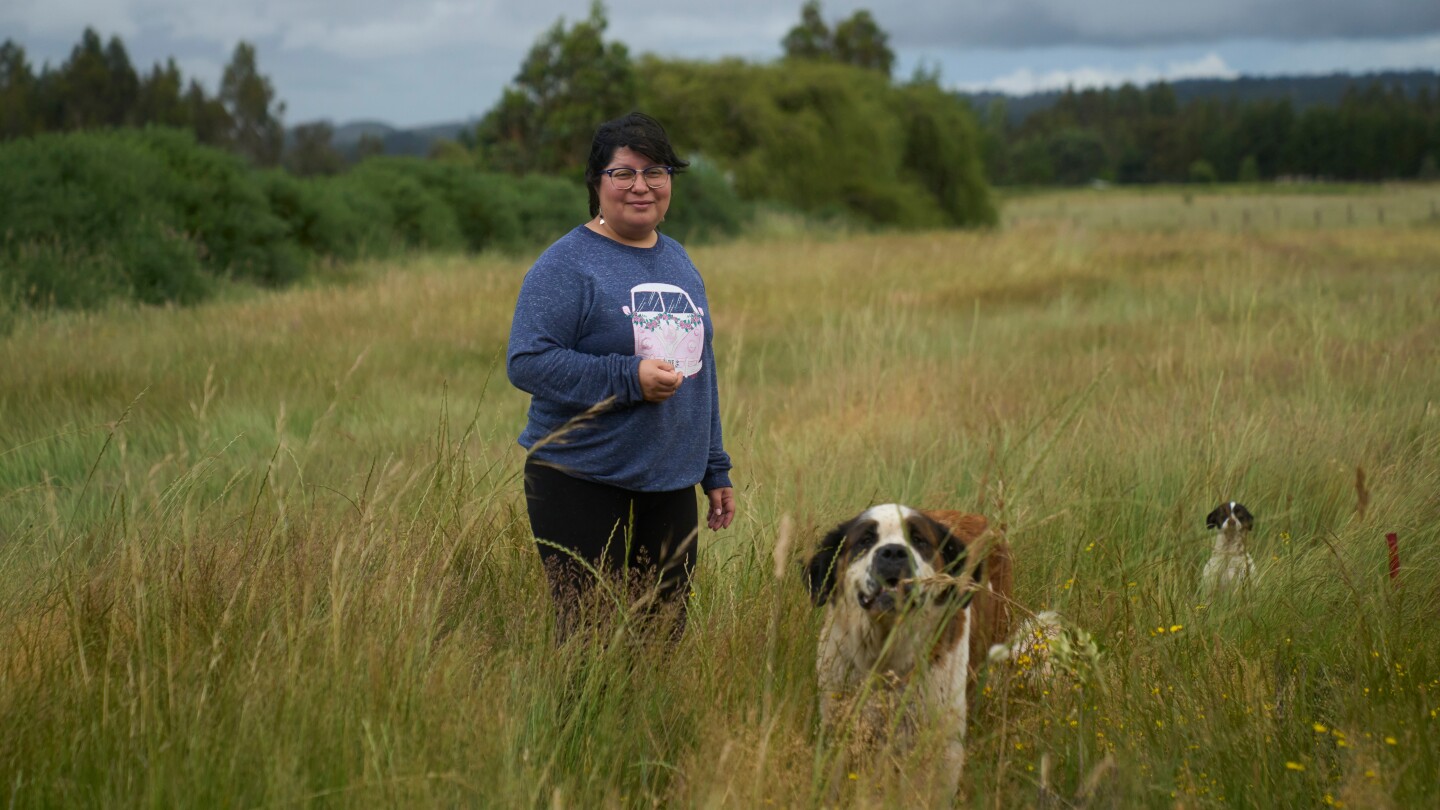
For Mapuche language teacher Angelina Cayuqueo, the election represents an existential threat, potentially reversing decades of fragile progress in Indigenous land reclamation. As Chile stands at a constitutional crossroads, the Mapuche people await an outcome that could either deepen their historical trauma or open pathways to meaningful reconciliation.