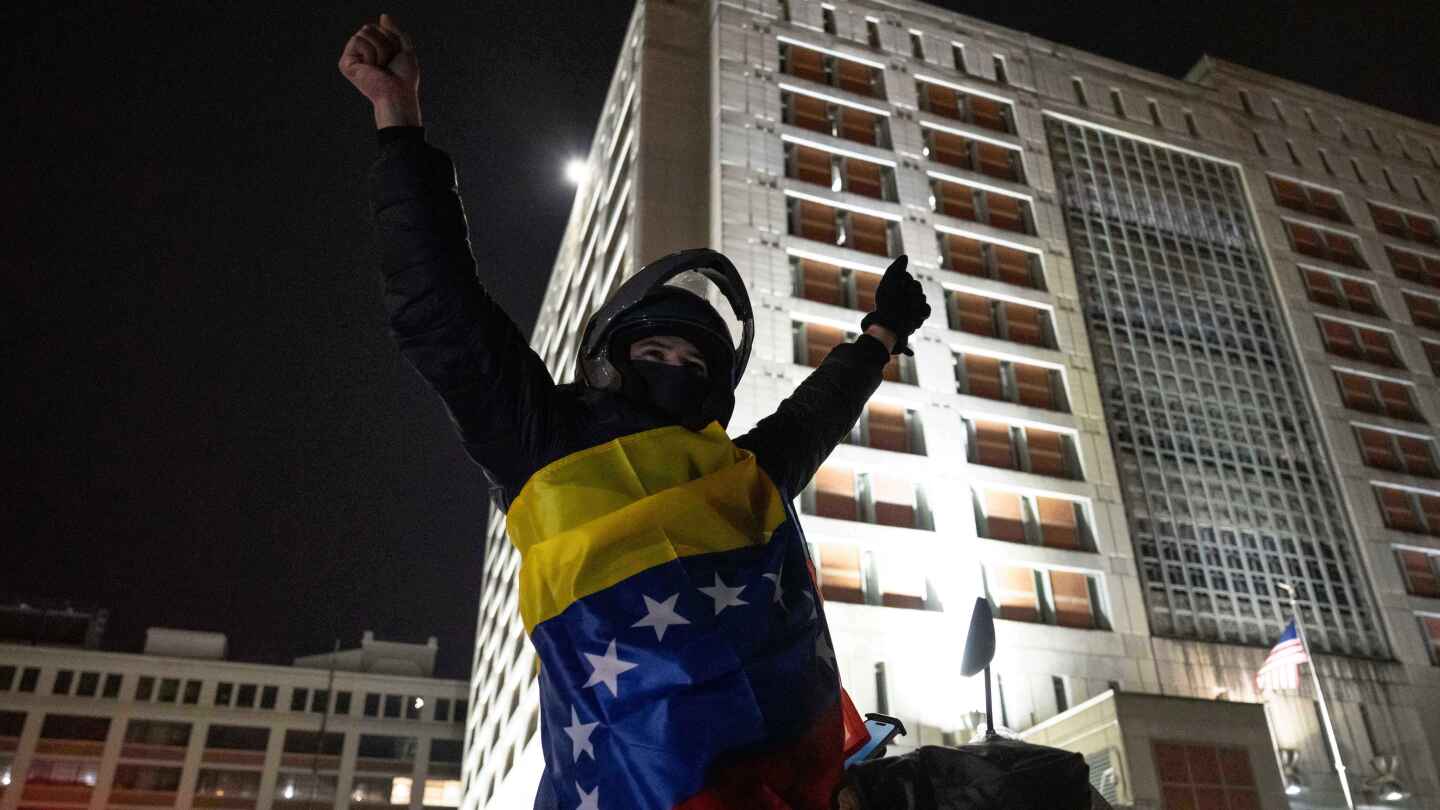
NEW YORK — The Metropolitan Detention Center in Brooklyn, a federally operated correctional facility with a troubled history, has become the unexpected temporary residence for deposed world leaders alongside high-profile criminals. Most recently, the facility received Venezuelan President Nicolás Maduro following his dramatic ouster, marking the second former head of state to be incarcerated within its walls in recent years.
Established in the early 1990s, the MDC Brooklyn currently houses approximately 1,300 inmates and serves as the primary detention facility for individuals awaiting trial in federal courts across Manhattan and Brooklyn. The institution’s population represents a diverse cross-section of alleged criminals, ranging from accused gang members and drug traffickers to white-collar offenders and international figures.
The facility gained international attention when former Honduran President Juan Orlando Hernández was imprisoned there during his trial on drug trafficking charges, ultimately receiving a 45-year sentence before being controversially pardoned by former President Donald Trump in December.
Current high-profile detainees include Ismael ‘El Mayo’ Zambada Garcia, co-founder of Mexico’s Sinaloa drug cartel, and Luigi Mangione, accused of murdering UnitedHealthcare’s CEO. The institution’s roster of former inmates includes notorious figures such as convicted music artist R. Kelly, business mogul Sean ‘Diddy’ Combs, cryptocurrency entrepreneur Sam Bankman-Fried, and Ghislaine Maxwell, longtime associate of Jeffrey Epstein.
Despite its waterfront location near shopping amenities and views of the Statue of Liberty, the facility has been described in court documents and inmate accounts as ‘hell on earth’ and an ‘ongoing tragedy.’ Documented issues include rampant violence, with two inmate fatalities occurring in 2024 alone, and corruption among staff members charged with accepting bribes and providing contraband.
The winter of 2019 brought particular notoriety when a week-long power outage plunged the facility into darkness and cold conditions. However, the Federal Bureau of Prisons has recently implemented significant improvements, including additional correctional and medical staff, resolution of over 700 maintenance backlogs, and upgrades to electrical, plumbing, and climate control systems.
Security enhancements have included a crackdown on internal criminal activity, resulting in charges against 23 inmates in March for offenses ranging from weapon smuggling to assaults. Bureau officials stated in September that these measures, combined with a reduced population from 1,580 to current levels, have produced a ‘substantial decrease’ in institutional crime and contraband.
Maduro’s arrival sparked celebrations among Venezuelan expatriate communities, with flag-draped supporters gathering outside the facility to cheer his detention. Within the facility, Maduro may encounter familiar faces including co-defendant Hugo Carvajal, Venezuela’s former intelligence chief who has indicated willingness to cooperate with U.S. authorities, and alleged Tren de Aragua gang member Anderson Zambrano-Pacheco.
The MDC has faced increased scrutiny since 2021 when the Bureau of Prisons closed its other New York facility, the Metropolitan Correctional Center, following Jeffrey Epstein’s suicide which exposed critical security and infrastructure failures.