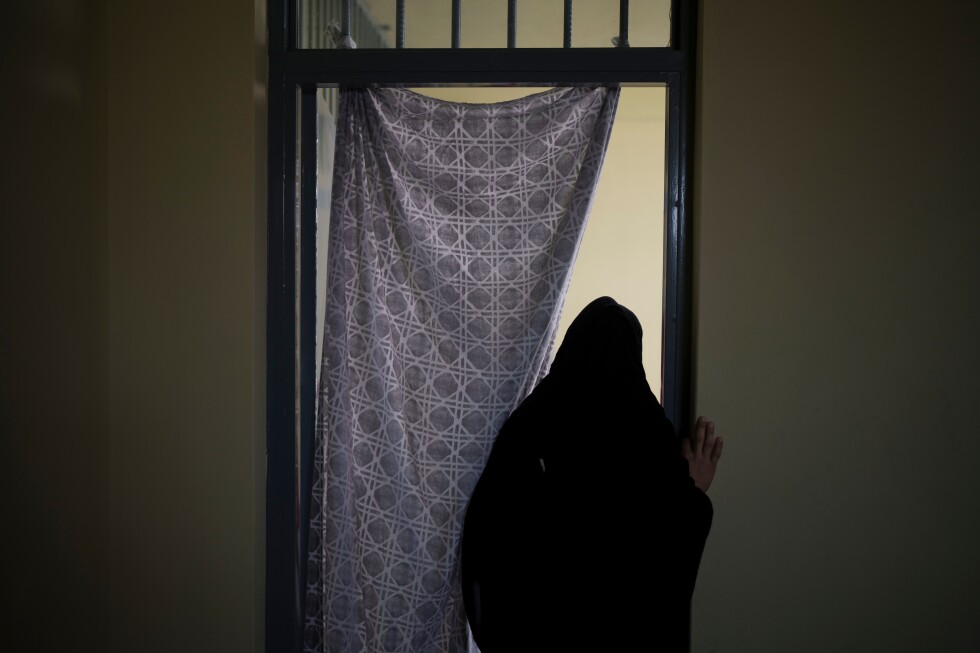
In a sweeping legislative move that has drawn international condemnation, Afghanistan’s Taliban-led government has enacted a comprehensive penal code that systematically institutionalizes gender-based discrimination and social hierarchy. The decree, formally issued as Decree No. 12 and signed by Supreme Leader Hibatullah Akhundzada in January, establishes a legal framework where women face harsher penalties for visiting relatives without spousal permission than men receive for domestic violence offenses.
The 60-page document, comprising 119 articles, grants husbands and household heads unprecedented authority to determine and administer punishment within their homes. Notably, the code mandates three months imprisonment for women visiting paternal relatives without authorization, while imposing merely 15 days detention for husbands who inflict visible injuries on their wives—provided the victim can substantiate her case before judicial authorities.
United Nations Human Rights Commissioner Volker Turk denounced the legislation during an address to the Human Rights Council in Geneva, stating it “defines several crimes and punishments that contravene Afghanistan’s international legal obligations.” He emphasized that the code legitimizes domestic violence against women and children through corporal punishment provisions while criminalizing dissent against Taliban leadership.
In a stark illustration of prioritization, the penal code imposes stricter animal welfare protections than safeguards for women. Organizing animal fights—a traditionally popular pastime banned since 2021—carries a five-month prison sentence, exceeding penalties for spousal abuse. Meanwhile, Susan Ferguson, UN Women’s Special Representative in Afghanistan, confirmed the legislation “formally removes equality between men and women before the law.”
The code further establishes a discriminatory sentencing structure based on social status. Religious scholars and elites receive mere judicial warnings for offenses, while tribal leaders face summonses. Ordinary citizens risk imprisonment, and marginalized groups become subject to corporal punishment—specifically mandating up to 39 lashes administered to “different parts of the body.” This tiered system exempts capital crimes, where murder and blasphemy against Prophet Muhammad remain punishable by death, though repentance may commute blasphemy sentences to six years imprisonment.
This represents the first comprehensive penal code issued since the Taliban’s 2021 takeover, building upon previous restrictions including education bans for girls beyond primary school, employment limitations for women, and strict behavioral mandates. Commissioner Turk urgently appealed for reversal of these policies, declaring “Women and girls are the present and the future, and the country cannot thrive without them.”