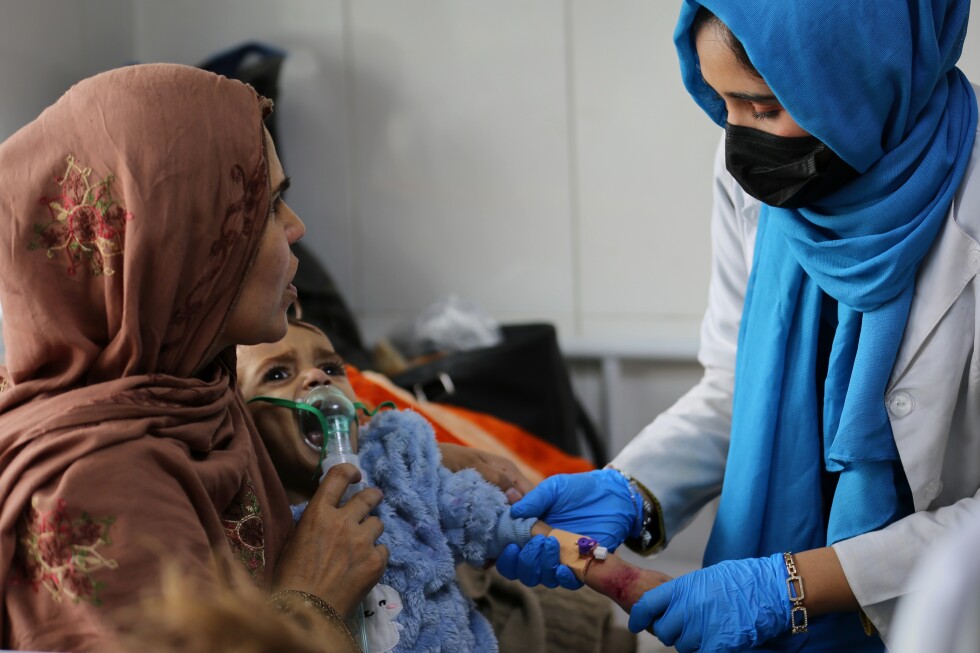
Afghanistan is confronting the most severe malnutrition crisis in its recorded history, with approximately 4 million children facing acute food insecurity and life-threatening conditions. The situation has reached catastrophic proportions, with two-thirds of the nation experiencing serious or crisis-level malnutrition according to United Nations assessments.
The World Food Program’s Afghanistan Country Director John Aylieff characterizes the emergency as unprecedented in his three-decade humanitarian career. Current funding constraints force the organization to turn away three out of every four malnourished children seeking assistance. Of the 17.4 million Afghans experiencing acute hunger, only 2 million currently receive support, and even this assistance has been significantly reduced.
This humanitarian catastrophe stems from multiple converging factors: the abrupt halt of direct foreign aid following the 2021 Taliban takeover, a crippled economy, severe drought conditions, recent devastating earthquakes, and the return of over 5 million Afghan refugees from neighboring Pakistan and Iran. Compounding these challenges, international donor budgets are increasingly stretched thin by simultaneous global emergencies including conflicts in Gaza and Ukraine, and famine conditions in Sudan.
WFP funding has experienced dramatic reductions, dropping from $600 million in 2024 to an anticipated $200 million for the current year. This financial shortfall occurs as hunger conditions spiral out of control across the nation.
Medical facilities like Kabul’s Indira Gandhi Children’s Hospital illustrate the human toll. Two-and-a-half-year-old Abu Bakar, weighing just 6 kilograms—half his expected weight—represents one of the fortunate few receiving life-saving care. His mother Latifa describes how critical food assistance ceased three years ago, leaving her construction-worker husband unemployed and her family without reliable meals for their five children.
The crisis has driven a disturbing increase in child mortality, with WFP documenting over 500 child deaths in recent months—a figure officials describe as merely ‘the tip of the iceberg’ given many winter deaths in snow-bound villages go unrecorded.
Afghanistan’s Health Ministry acknowledges the decades-long problem, reporting expansion of malnutrition treatment facilities from 800 to approximately 3,200 centers, with about 3 million malnourished children and mothers treated in 2025. Ministry spokesman Dr. Sharafat Zaman emphasizes that health services should remain separate from political considerations.
Women bear particularly severe consequences from the crisis. Taliban restrictions banning women from employment have left widows with children especially vulnerable. WFP reports a 30% increase in acutely malnourished pregnant and breastfeeding women—a surge described as unprecedented by nutrition experts. The organization increasingly receives suicide calls from desperate women who cannot feed their children.
Aylieff issues an urgent plea to the international community: ‘How many more Afghan children will die before the world wakes up? Don’t walk away from Afghan women who are now facing abject misery, hunger, malnutrition and watching their children die.’