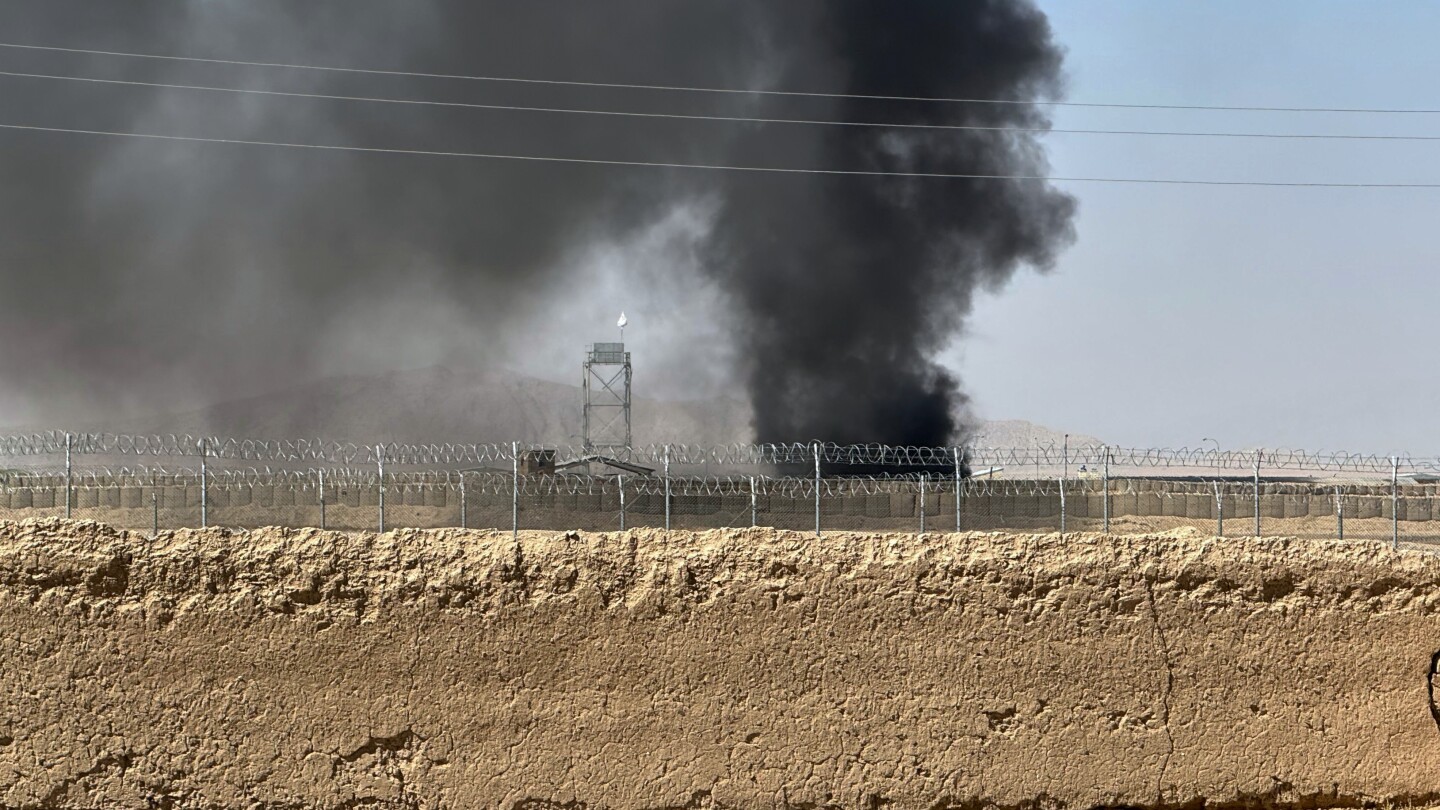
In a bid to de-escalate mounting tensions, Pakistan and Afghanistan have initiated peace talks following a fragile ceasefire that came into effect after deadly cross-border clashes. The recent violence, which erupted in early October, has been the most severe in years, resulting in significant civilian and military casualties on both sides. The conflict was triggered by explosions in Kabul and Paktika on October 9, which the Taliban-led Afghan government attributed to Pakistan. While Pakistani officials neither confirmed nor denied involvement, the incident sparked a series of shelling and shooting exchanges along the border, leading to dozens of deaths and hundreds of injuries. Discrepancies in casualty figures have further complicated the situation, with both nations accusing each other of inflating numbers. Pakistan claims to have targeted militant hideouts in Afghanistan, while Kabul denies these assertions and highlights civilian casualties. Amid the hostilities, Qatar and Turkey have stepped in as mediators, facilitating negotiations in Doha and Istanbul. Despite the ceasefire holding since October 19, sporadic clashes continue, underscoring the fragility of the peace process. The border region, known as the Durand Line, remains a contentious issue, with Afghanistan refusing to recognize it as an official boundary. Both countries accuse each other of harboring militant groups, with Pakistan pointing fingers at the Tehrik-e-Taliban Pakistan (TTP) operating from Afghan soil. The TTP, designated as a terrorist organization by the UN and the US, seeks stricter Islamic laws and reduced Pakistani military presence in border areas. The group’s alliance with the Afghan Taliban has further strained relations between the two nations. As peace talks progress, the international community remains watchful, given the region’s history of militant activity and the potential for further escalation.