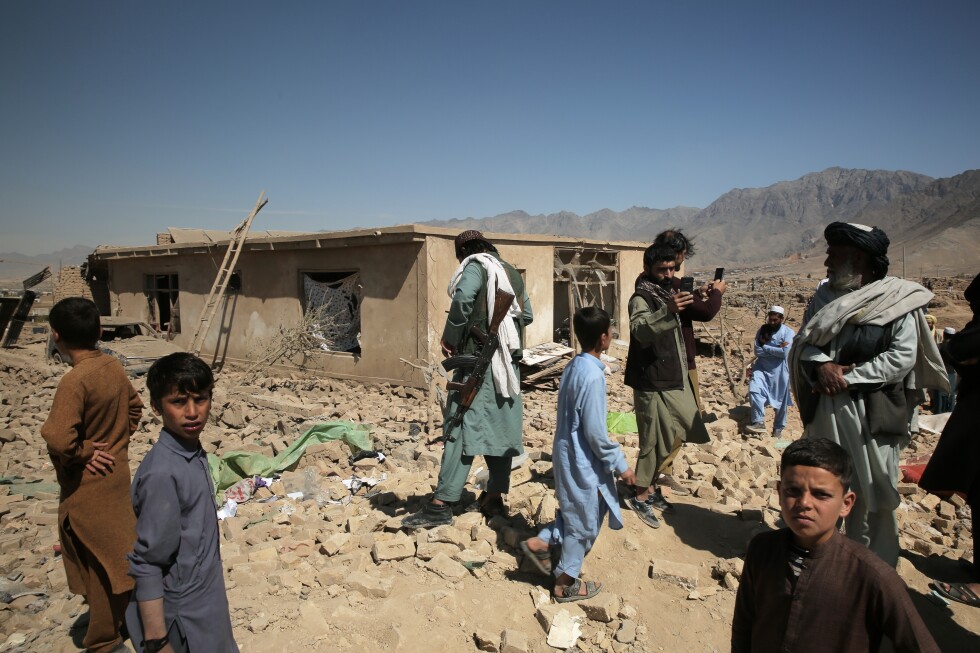
KABUL, Afghanistan — Diplomatic tensions between Pakistan and Taliban-controlled Afghanistan have dramatically escalated into open military conflict, with both nations conducting airstrikes across their shared border. The Afghan government reported that Pakistani military operations on Friday resulted in at least six civilian fatalities and over a dozen injuries, targeting residential areas in Kabul and southern provinces.
Afghan government spokesman Zabihullah Mujahid stated via social media platform X that Pakistani aircraft struck civilian infrastructure, including fuel depots belonging to private airline Kam Air near Kandahar airport. These facilities reportedly supply fuel to civilian airlines and United Nations aircraft operations. Meanwhile, Pakistan’s state media confirmed ‘successful airstrikes inside Afghanistan’ targeting what it described as four militant hideouts and support infrastructure.
The conflict originated in late February when border skirmishes evolved into reciprocal attacks on military installations. Pakistan maintains that its operations specifically target the Pakistani Taliban (Tehrik-e-Taliban Pakistan or TTP) and their support networks, alleging that Afghanistan’s Taliban government provides sanctuary to militant groups conducting attacks against Pakistan. The Taliban government consistently denies these allegations.
Afghanistan’s Defense Ministry claims its air force retaliated by striking Pakistani military installations in Kohat district, inflicting significant damage. Pakistan’s Ministry of Information dismissed these claims as baseless, instead reporting the interception of three rudimentary drones deployed by militants.
Civilian casualties continue to mount across conflict zones. Kabul police reported four civilian deaths including children, with fifteen injured in the capital alone. Additional casualties were reported in Nangarhar province where mortar shelling killed a woman and child. The complete casualty count remains uncertain as attacks persist.
International diplomatic efforts have thus far failed to de-escalate tensions. Chinese Special Envoy Yue Xiaoyong recently engaged in discussions with Pakistani officials regarding collective security measures, following similar consultations in Kabul. Despite global calls for restraint, Pakistan has vowed to continue military operations until verifiable actions are taken against TTP forces operating from Afghan territory.
The current fighting represents the most severe bilateral conflict in years, raising regional stability concerns amid ongoing Middle Eastern tensions. Previous ceasefire agreements mediated by Qatar in October provided temporary relief, but subsequent peace talks in Turkey failed to establish lasting resolution.