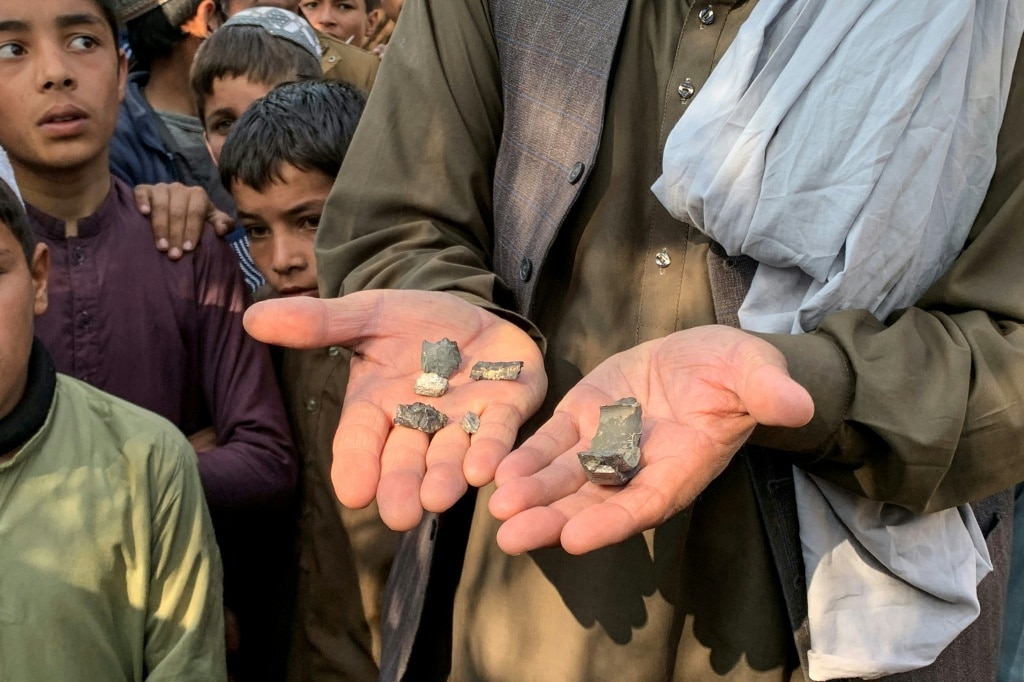
Tensions between Afghanistan and Pakistan have dramatically intensified into open military confrontation, with both nations engaging in cross-border aerial bombardments and ground operations. The conflict reached a critical point on Sunday as Afghan residents reported sustained fighting along multiple frontier regions, including drone strikes and artillery shelling that resulted in civilian casualties.
The escalation began Thursday when Afghan forces launched a coordinated offensive along the disputed border region, prompting immediate retaliation from Pakistani military units. In a significant escalation of tactics, Pakistani jets conducted aerial strikes targeting the former U.S. air base at Bagram north of Kabul—marking the first time Pakistan has directly attacked Afghan government facilities rather than claimed militant positions.
Eyewitness accounts describe terrifying dawn raids with powerful explosions that shook residential areas. ‘There was smoke and fire coming out north of the airport,’ one anonymous resident reported, characterizing the experience as ‘very terrifying.’ Although provincial officials confirmed attempted bombings at Bagram, they reported no casualties or structural damage from these particular strikes.
The human cost continues to mount, with Afghan deputy spokesman Hamdullah Fitrat reporting 36 civilian deaths across multiple provinces since Thursday. Heartbreaking personal tragedies have emerged, including that of an 18-year-old in Asadabad who was killed while attempting to protect his family home after recently marrying.
Pakistan’s information minister Attaullah Tarar acknowledged bombing 46 locations across Afghanistan but claimed these operations targeted militant infrastructure. Islamabad asserts that 415 Afghan soldiers have been killed, though these figures remain unverified by independent sources. Afghanistan meanwhile claims to have killed over 80 Pakistani soldiers and captured 27 military posts.
The current violence represents the most severe outbreak since October clashes that killed more than 70 people on both sides. Diplomatic efforts led by Saudi Arabia and Qatar have so far failed to establish a ceasefire, with Pakistan maintaining that Afghanistan has not adequately addressed militant groups operating along the border—a charge the Taliban government vehemently denies.
The border region remains highly volatile with increased security presence in Kabul, additional checkpoints throughout the city, and reports of ongoing sporadic clashes in Khost and Nangarhar provinces. The Torkham border crossing—a vital transit point for Afghans returning from Pakistan—has experienced significant disruption due to the fighting.