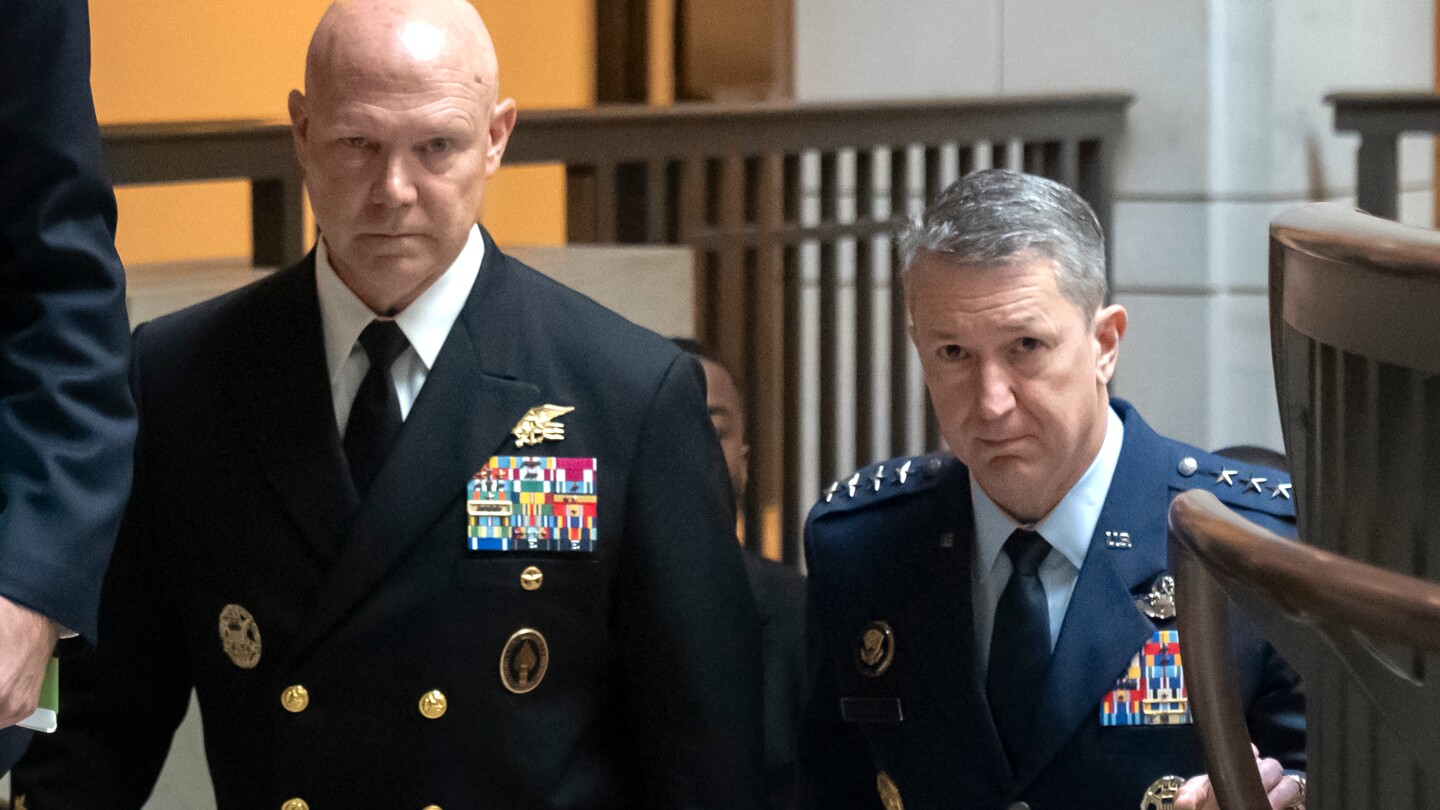
A contentious congressional investigation into a lethal naval engagement near Venezuela has reached a critical juncture, with senior military officials facing intense scrutiny from lawmakers. The incident, which resulted in the deaths of two survivors from an initial strike on a suspected drug vessel, has sparked allegations of a possible “kill them all” directive from Defense Secretary Pete Hegseth.
During classified briefings on Capitol Hill, Navy Admiral Frank “Mitch” Bradley explicitly denied receiving any such order from the Defense Secretary. Senate Intelligence Committee Chairman Tom Cotton emerged from the session stating, “Adm. Bradley was very clear that he was given no such order, to give no quarter or to kill them all. He was given an order that, of course, was written down in great detail.”
The political divide over the incident became immediately apparent. While Republicans largely defended the military operation, Democratic lawmakers expressed profound concern. Connecticut Representative Jim Himes, the top Democrat on the House Intelligence Committee, described viewing strike footage as “one of the most troubling things I’ve seen in my time in public service,” noting the victims were “in clear distress without any means of locomotion.”
The investigation has expanded to examine multiple aspects of the operation, including the rules of engagement, intelligence identifying the vessel as a legitimate target, and criteria used to distinguish combatants from civilians. Lawmakers from both parties are demanding complete video evidence of the September 2 attack alongside written records of all orders and directives.
Adding complexity to the situation, the Defense Department’s inspector general concurrently released a partially redacted report criticizing Hegseth’s previous use of the Signal messaging app to share sensitive information about military operations, finding he endangered service members through this action.
Admiral Bradley’s distinguished military career, spanning over three decades primarily with Navy SEALs and joint operations command, has positioned him as a respected figure facing difficult questions about an operation that legal experts suggest might constitute a war crime if survivors were intentionally targeted.
The outcome of this investigation carries significant implications for military accountability and the legal boundaries of anti-narcotics operations in international waters, with more than 80 casualties reported in related strikes since September.