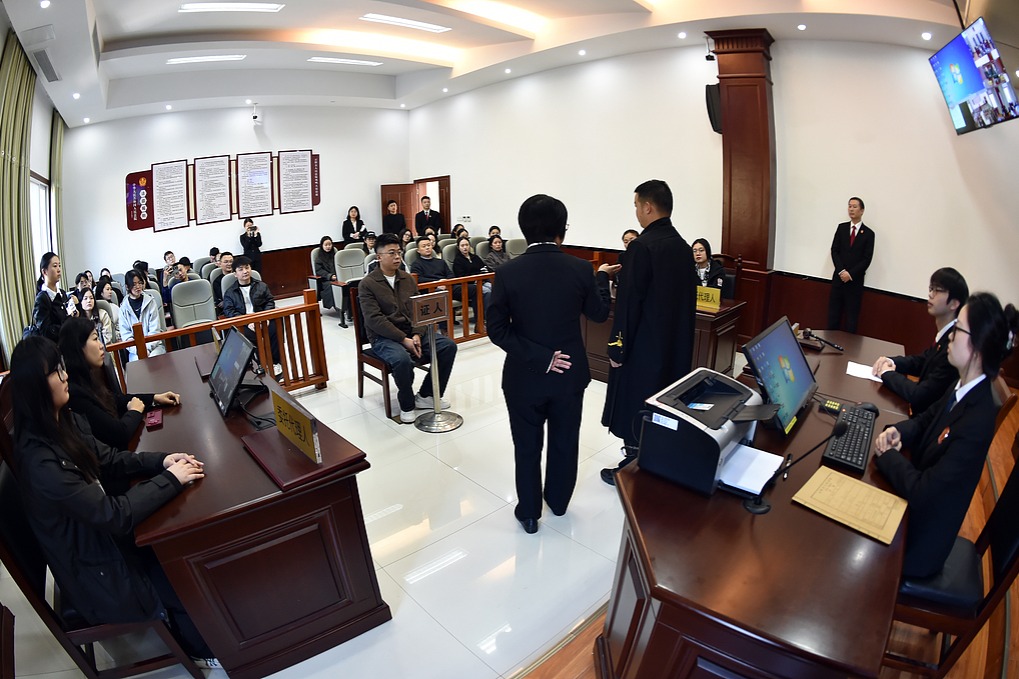
China’s judicial system has demonstrated strengthened oversight of administrative agencies through public interest litigation, with courts nationwide concluding 733 first-instance administrative public interest cases between July 2024 and September 2025, excluding environmental and resource-related matters. Supreme People’s Court official Wang Xiaobin revealed that approximately 21% of these cases were successfully resolved through mediation procedures.
The case distribution revealed concentrated focus areas, with food and drug safety, state-owned property protection, and state-owned land use right transfers collectively accounting for 14.9% of litigation. Cases concerning the rights protection of martyrs, minors, and women represented a smaller but significant portion of the judicial docket. Geographically, Hebei and Anhui provinces recorded the highest case volumes, followed by Henan and Hubei provinces.
Judicial outcomes showed a substantial proportion of rulings confirming illegal administrative acts, revoking improper administrative decisions, or mandating performance of statutory duties. The courts have established a significant legal principle that “post-litigation performance does not exempt liability for illegality,” effectively discouraging speculative or litigation-driven rectification efforts by government bodies.
The judiciary has developed innovative approaches to address complex public welfare challenges, particularly those involving overlapping administrative functions, jurisdictional gaps, or cross-regional issues. Courts have coordinated with procuratorial organs to resolve dilemmas in specific public welfare domains, while simultaneously connecting individual case resolution with broader social governance improvements. By analyzing patterns in frequently occurring cases, courts provide systematic recommendations to relevant departments to enhance administrative effectiveness and protect citizens’ fundamental interests.