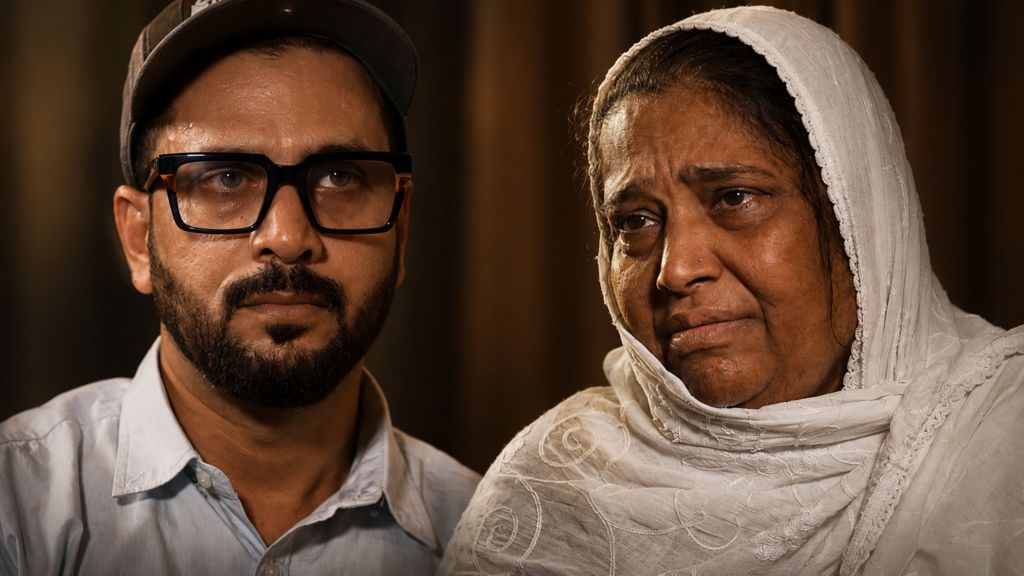
Nearly 12 months have passed since Air India Flight AI171, traveling from Ahmedabad to London, plummeted to the ground just 60 seconds after departing last June, leaving only one survivor among the 242 passengers and crew on board and claiming 19 additional lives on the ground. For Imtiyaz Ali, the disaster did not just take his elder brother Javed, Javed’s wife Mariam, and their two young children – it fractured the quiet rhythm of his entire family’s existence in Mumbai.
When a reporter first reached out to Imtiyaz to request an interview, the pair planned to meet at the family’s Mumbai home. Hours later, Imtiyaz requested a location change: a dimly lit downtown business hotel. He explained why after they sat down: the family home has never felt the same since Javed and his family died. Though Javed built his life and career in the UK, like so many members of the Indian diaspora, he returned to Mumbai regularly to visit his mother and siblings. The space still holds his presence, Imtiyaz says – a quiet, unshakeable reminder of what is gone that ordinary daily routines cannot mend. His 70-something mother Farida Bano puts it more plainly: Javed is with her everywhere, day and night.
The tragedy unfolded just days after the entire family gathered to celebrate Eid, what would be their final holiday together. In the chaotic, stunned aftermath of the crash, the family made the agonizing decision to shield Farida, a long-time heart patient, from the full truth. Air India officials and medical providers warned that the shock could trigger a fatal heart attack, so the news was broken in slow, painful fragments. First, they told her there had been an accident, and Mariam and the children were injured. When she pressed for news of Javed, Imtiyaz lied: they were all fine, he told her. But Farida knew something was wrong. Javed never went two days without calling her, she said. She could not sleep, consumed by worry over where her son was.
Relatives eventually flew her to Ahmedabad under the false pretense of visiting an unwell family member. The moment she walked into the hotel room where the family had gathered, she knew the worst had happened. Imtiyaz told her outright: the plane had crashed, and Javed was gone.
Over the past year, the grief has never lifted, woven into every ordinary moment of the family’s life. Farida still refers to Javed in the present tense, his favorite meals still appear at the dinner table, and family conversations still pause automatically where Javed would have spoken. The grief has taken a tangible physical toll: in September, Farida’s heart condition worsened dramatically, requiring doctors to insert three additional stents, bringing her total to five. Medical professionals confirmed that stress has aggravated her underlying heart disease, diabetes, and high blood pressure. When she cries for her lost son, Imtiyaz says, her blood sugar spikes immediately.
Alongside unending grief, Imtiyaz carries growing frustration with Air India and its parent company the Tata Group. For months, he says, the family has pushed for regular updates on the crash investigation, the return of Javed and his family’s personal belongings, and the medical support officials initially promised. Most requests have been met with vague, delayed responses, and meaningful action only came after sustained media attention and public pressure, he claims. It took months for doctors arranged through Tata’s assistance program to even assess Farida’s condition. “We trusted them,” Imtiyaz says. “We thought they would stand with us.” The BBC has reached out to Air India for a response to the family’s allegations, but has not received a comment as of this reporting.
Under international aviation regulations, investigators are expected to release their final report on the crash within 12 months of the disaster, with an interim assessment published just one month after the crash. But for the families of the 241 victims, the 12-month wait for answers has stretched into an agonizing limbo. What happened in the final moments of the flight? Why did the aircraft lose thrust mid-ascent? Was the disaster caused by human error, mechanical failure, or another unforeseen factor? None of these core questions have been resolved. “We live in a modern country,” Imtiyaz asks. “Why must we wait a year for answers?”
For the Ali family, the tragedy cut short a future the brothers had spent years building. After years living and working in the UK, Javed and Imtiyaz had begun planning to launch a joint business in Dubai, a new chapter that would have let the brothers build their lives closer together. “Right before the best part of life began, he was gone,” Imtiyaz says, staring at his hands.
For Farida, no final report can ease her loss. “Can any report bring my son back?” she asks quietly. Her grief lives in small, sharp memories: the merry dinner the night before Javed left for Ahmedabad, the long visit from her grandchildren who hugged her so tightly they did not want to leave, the way Javed fussed over her during his final trip, insisting she buy 15 new outfits. When he spent his last night in Mumbai, he slept with his head in her lap, promising he would be back soon. Every evening, as Mumbai’s summer heat softens, she makes the slow, difficult trip to the graveyard, carrying his favorite foods – mutton stew, fried fish, ripe mangoes – packed as if he is still waiting for her to visit. She lowers herself carefully, her heart stents making even small movements painful, and speaks to him: “Look, I am here, my son. I came to see you.” When the airline finally returned Javed’s damaged suitcase months ago, no one in the family has had the strength to open it. It sits tucked away, untouched.
For months, Imtiyaz threw himself into the search for answers, writing endless emails to officials, hiring legal representation, and obsessing over every detail of the investigation. Relatives even sent him to Dubai to get him away from the stress, but panic attacks followed. “Sometimes I wake up shaking,” he says. “I feel like I’m back there – hearing the news for the first time.” He clung to the belief that the final investigation report would bring him closure, that knowing what happened would let him begin to heal.
The peace he had been searching for came not from a formal report, but from an old audio message from Javed, shared by his elder sister a few weeks after the funeral. Recorded shortly before the crash, the message describes a strange dream Javed had: two angels came to him, bathed him in the sweet scent of roses, before saying they had come to take him away. When he woke up, Javed said in the recording, he could still smell the fragrance.
In Islamic tradition, a death accompanied by such premonitions is often interpreted as a sign of an honoured, peaceful passing. After the funeral, relatives told Imtiyaz this, but he could not find comfort in the words at the time. Hearing Javed’s own voice describing the dream changed everything. “This was the answer I needed,” he says. “He is at peace.”
As the call to prayer drifted through Mumbai’s humid evening air, Imtiyaz reflected on the year that has passed. The official investigation will eventually answer the technical questions of how the crash happened. But for Imtiyaz and his family, the work of learning to live with their loss has already begun, guided not by a government report, but by a 30-second voice note from the brother they lost. “There are some questions,” he says, “that only the dead can answer.”