KAMPALA, Uganda – The long-awaited trial of a Ugandan man charged with the brutal murder of four young children opened Monday in an unconventional setting: a large canvas tent pitched just kilometers from the scene of the crime, marking the first live test of the East African nation’s new and divisive mobile court system. The public, on-site proceeding was ordered directly by President Yoweri Museveni to allow local community members to follow the high-profile case that shook the country earlier this year.
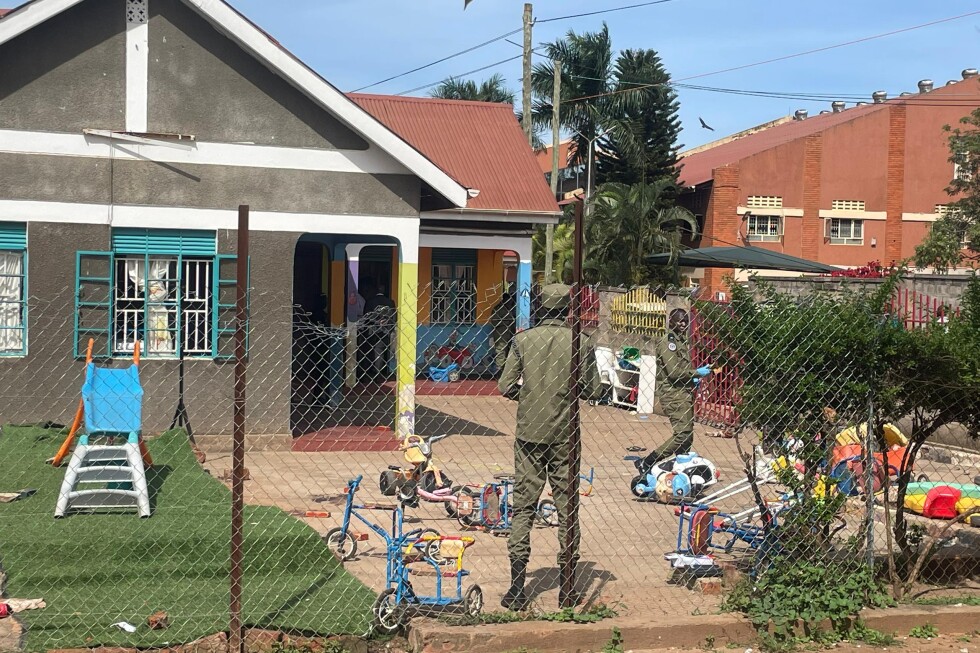
The accused, Christopher Okello Onyum, stands accused of launching a machete attack on children at the Gaba Early Childhood Development Program, a neighborhood nursery school in Kampala’s Gaba suburb, on April 2. According to witness accounts, Onyum gained entry to the facility by posing as a parent, exchanged a short conversation with school administrators, then locked the school’s entrance gate before turning his weapon on the young students. The attack sent shockwaves across Uganda, and investigators have yet to establish a clear motive for the violence.
When Onyum was detained immediately after the attack, an enraged local crowd attempted to seize and lynch him before police intervened to take him into custody safely. At the opening of trial Monday, Onyum entered a formal plea of not guilty on four counts of aggravated murder. If ultimately convicted, he could be sentenced to death.
This trial marks the first operational use of Uganda’s mobile court framework, a policy that received formal approval via a government legal notice published in March. Designed to bring judicial proceedings closer to affected communities and allow public access to cases of widespread national interest, the system has sparked heated debate from its rollout. President Museveni’s directive to hold this specific trial in a public, local setting has drawn sharp criticism from legal groups, who argue the order amounts to inappropriate overreach by the executive branch that risks undermining the integrity of the trial.
The Uganda Law Society, the country’s premier professional body for legal practitioners, issued a public statement condemning the directive, arguing it violates the accused’s constitutional right to a fair trial. In harsh terms, the organization called the proceeding “not justice” but “a judicial lynching rally,” warning that the public, high-pressure setting risks sensationalizing the tragedy inflicted on the victims’ families rather than delivering impartial justice.
Despite the controversy, hundreds of local residents gathered at the trial site, a tent set up on the grounds of a nearby local church, to observe the opening proceedings. For its part, Uganda’s judiciary has pushed back against critics, defending the mobile court model as an innovative step to expand public access to justice. In a statement defending the decision to hold the trial, the judiciary said the proceeding reflects its ongoing “commitment to taking justice closer to the people through innovative approaches.”