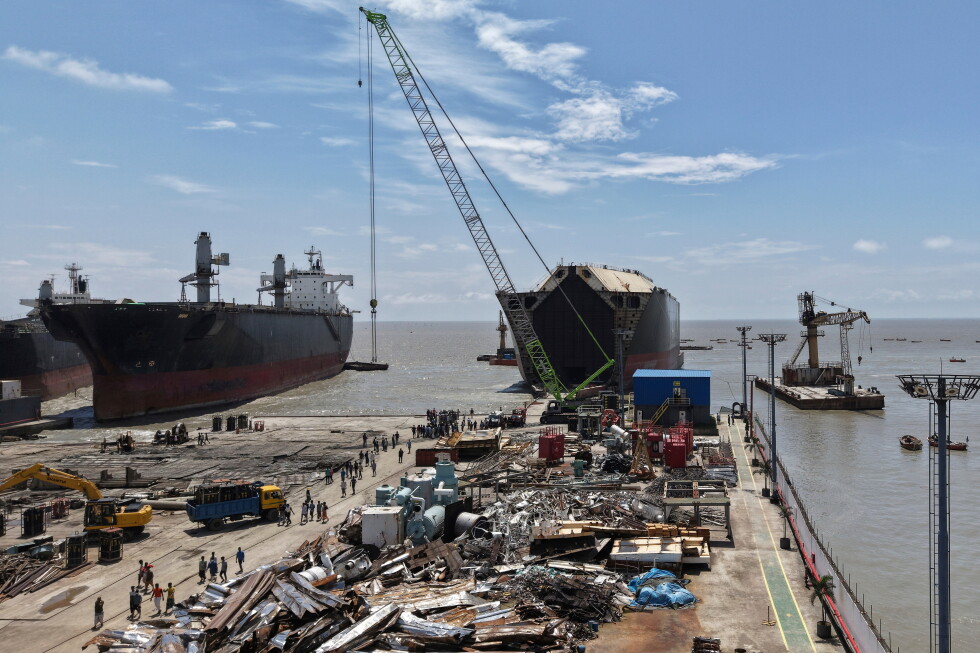
A tragic industrial accident has shaken Bangladesh’s major shipbreaking sector, after a suspected toxic gas leak at a coastal dismantling facility left at least eight workers dead and multiple others injured on Friday. The incident unfolded at the Ferdous Steel Ship Breaking Yard, located in the Sitakunda region of southeastern Bangladesh, local law enforcement confirmed.
Mohammed Alamgir, a local police inspector, shared initial details with reporters: early reports put the on-site death toll at six, but two additional victims succumbed to their injuries after being evacuated from the accident site for emergency medical care. As of press time, representatives of Ferdous Steel have not responded to requests for comment on the disaster.
According to Bangladesh’s official state news outlet Bangladesh Sangbad Sangstha, Mahbubul Hasan, a senior official with the country’s government factory inspection agency, confirmed that the workers were killed by toxic fumes released from the decommissioned vessel being dismantled at the yard. “Two key lines of inquiry are now open: what triggered the gas release, and whether the facility had implemented sufficient required safety protections for its on-site workers,” Hasan stated, adding that a full official probe is ongoing.
Sitakunda’s coastal strip, located in Chattogram division, is the global heart of the shipbreaking industry: Bangladesh’s sector alone is a multi-billion-dollar enterprise that dominates the global market, handling roughly 36% of all ship scrapping activity worldwide. Around 150 licensed shipbreaking yards operate along the 20-kilometer coastline, generating an annual revenue of $2.46 billion. The industry supplies more than half of Bangladesh’s domestic scrap steel, and provides jobs for tens of thousands of working people across the region.
For years, environmental advocacy groups have raised urgent alarms about working conditions and regulatory gaps in Bangladesh’s shipbreaking sector. Campaigners point out that many end-of-life ships sent to Bangladesh for scrapping originate from Western nations, and carry high levels of pre-existing hazardous waste. They also warn that systemic failures to enforce basic safety protocols and minimum environmental standards put both workers and local coastal communities at constant risk of accidents and long-term health harm.