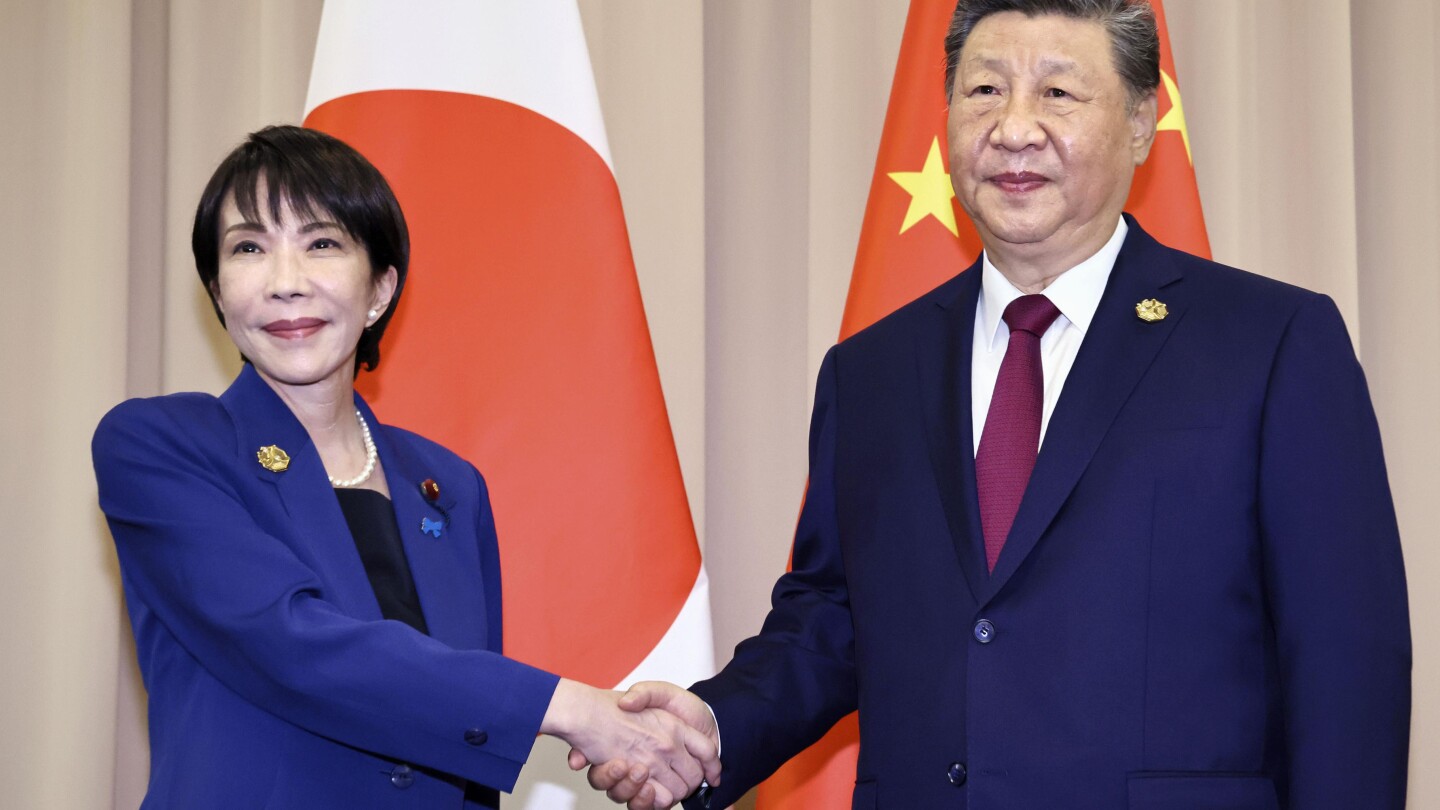
In a bold move that has escalated regional tensions, Japan’s newly appointed Prime Minister Sanae Takaichi has suggested that a Chinese military action against Taiwan could warrant a Japanese military response. This statement, made during a parliamentary committee session on November 7, marks a significant departure from the more cautious rhetoric of her predecessors. While previous Japanese leaders have expressed concerns over China’s aggressive posture toward Taiwan, they have refrained from explicitly outlining potential military responses. Takaichi’s remarks have drawn sharp criticism from Beijing, which views Taiwan as an inalienable part of its territory and considers any foreign intervention a violation of its sovereignty. Despite the backlash, Takaichi has refused to retract her comments, though she has indicated a willingness to avoid discussing specific scenarios in the future. The incident has further strained Japan-China relations, with both countries summoning each other’s ambassadors and issuing stern warnings. China has also taken economic measures, advising against travel to Japan and highlighting safety concerns for Chinese nationals. The situation is further complicated by Japan’s post-World War II constitution, which limits its military actions to self-defense, and its alliance with the United States, which could play a pivotal role in any regional conflict. Analysts warn that Takaichi’s stance could have long-term implications for Japan’s foreign policy and its delicate balancing act in the Indo-Pacific region.