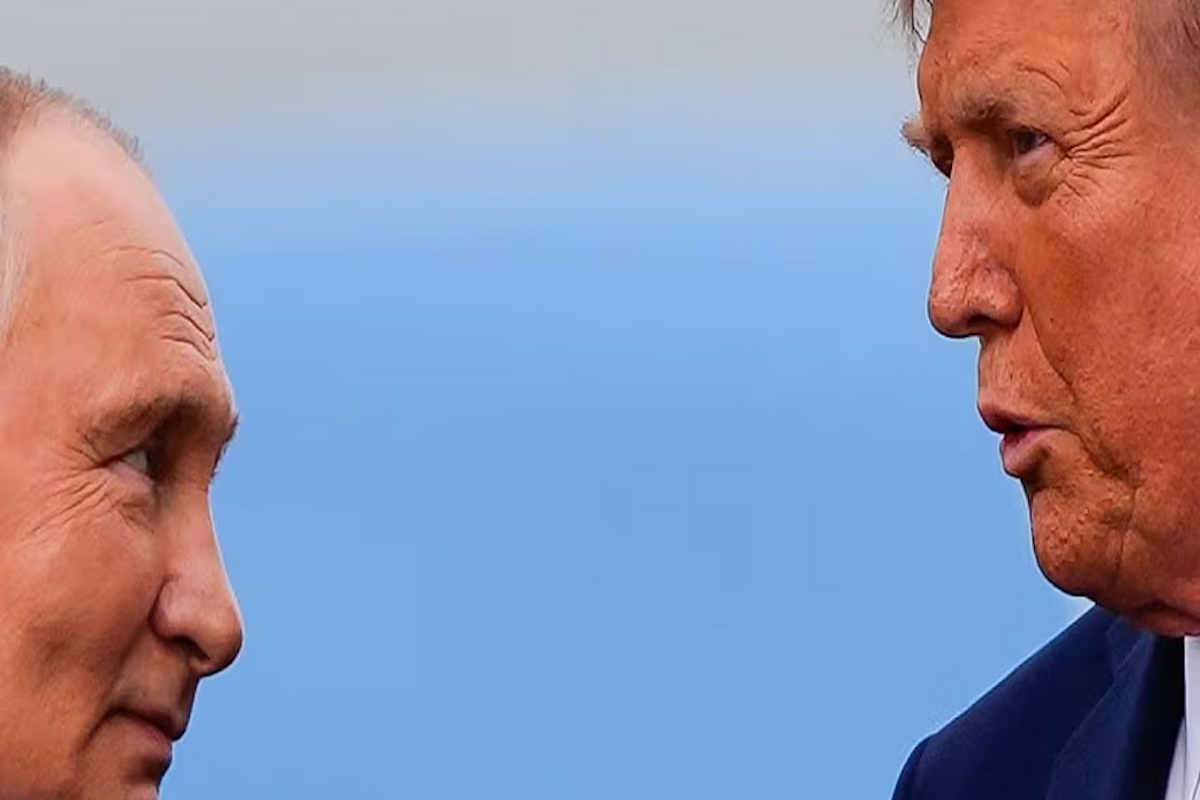
In a strategically significant development, U.S. President Donald Trump and Russian President Vladimir Putin held their inaugural telephone discussion this year on Monday. The comprehensive dialogue addressed multiple pressing global issues, with particular emphasis on the ongoing Iran conflict and energy market dynamics.
Kremlin senior aide Yury Ushakov characterized the exchange as “highly substantive” and “productive,” noting that conversations extended to matters concerning Ukraine, Venezuela, and the global energy landscape. This diplomatic engagement occurred alongside President Putin’s energy market consultations, where he reiterated Russia’s conditional willingness to maintain energy exports to European Union nations.
President Putin articulated a nuanced position: “Should European entities demonstrate commitment to enduring, apolitical cooperation frameworks, Russia remains prepared to accommodate such partnerships.” This statement signals Moscow’s strategic pivot toward Asian markets while maintaining European export possibilities contingent upon sanction relief.
The geopolitical calculus suggests potential collaboration between the powers. President Trump indicated openness to sanction modifications, stating post-conversation that imposed restrictions might be temporarily lifted during conflict resolution processes. Notably, the American leader acknowledged Putin’s potential constructive role in mediating the Iran confrontation, despite previously demanding Tehran’s unconditional surrender.
This diplomatic movement coincides with internal White House deliberations regarding exit strategies from the Iranian engagement. With escalating oil prices and diminishing domestic support for military operations, administration advisors reportedly advocate for conflict de-escalation mechanisms.
A potential resolution framework involves Russian custody of Iran’s highly enriched uranium stockpiles—a critical non-proliferation measure—in exchange for sanctions relief and peace negotiations in Ukraine. Such arrangement could simultaneously address nuclear concerns while facilitating global energy market stabilization through resumed Russian and Gulf energy exports.
The proposed settlement would enable conflict resolution before U.S. midterm elections while advancing American strategic interests regarding Iranian energy resources, potentially creating future leverage scenarios in great power competition.