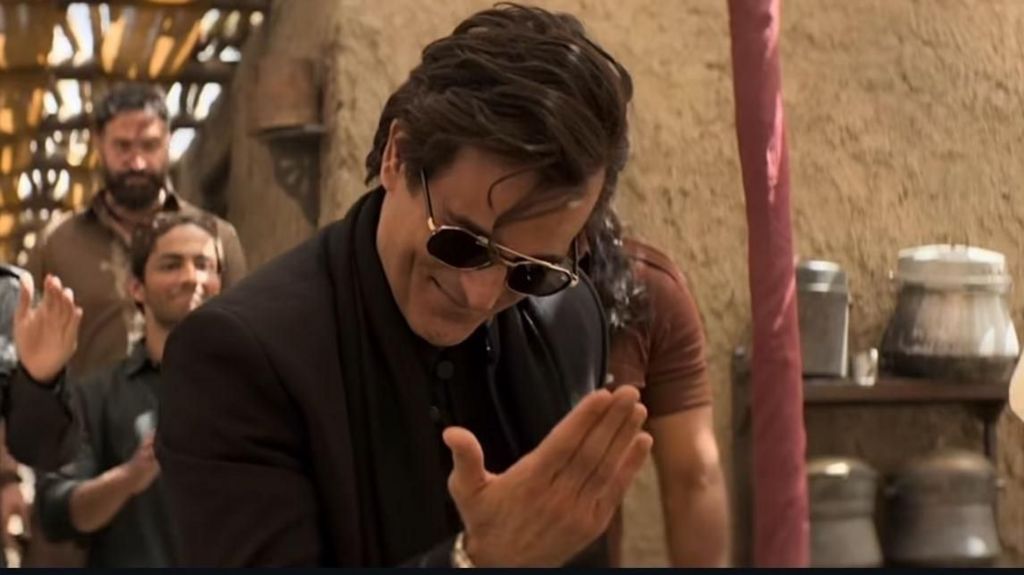
The latest Bollywood espionage thriller ‘Dhurandhar’ has ignited both acclaim and controversy across South Asia, presenting a polarized reception to its intense portrayal of India-Pakistan tensions. Directed by Aditya Dhar and featuring Ranveer Singh as protagonist Hamza—an Indian intelligence operative infiltrating criminal networks in Karachi—the film merges high-stakes action with overt nationalist themes.
Since its theatrical release last week, the production has generated substantial box office success while simultaneously provoking heated discourse regarding its political messaging and historical interpretations. Dhar, who gained prominence with the 2019 military drama ‘Uri: The Surgical Strike,’ continues his exploration of nationalist cinema with this sophomore directorial effort.
The film’s narrative framework incorporates actual historical events, including archival footage from the 2001 Indian Parliament attack and the 2008 Mumbai terror incidents, weaving them into a fictional tapestry of gang warfare and cross-border espionage. Its visceral combat sequences and claustrophobic cinematography create an atmosphere of relentless tension, though some critics argue the violence borders on gratuitous.
Reactions have bifurcated sharply between those applauding the film’s technical execution and narrative ambition, and others condemning its perceived propagandistic elements. The Film Critics’ Guild issued an official statement decrying the targeted harassment of reviewers who expressed reservations about the production’s political undertones.
In Pakistan, responses have been equally divided. While Bollywood content remains technically banned since 2019, audiences continue accessing films through digital workarounds. Pakistani commentators have criticized the depiction of Karachi as a lawless territory and questioned the factual accuracy of linking local criminal organizations to cross-border terrorism. The Pakistan Peoples Party particularly objected to fictionalized rally scenes featuring imagery of assassinated leader Benazir Bhutto.
This controversy emerges within a broader trend of Indian nationalist cinema achieving commercial success while stimulating debate about historical representation. Films like ‘The Kashmir Files’ and ‘The Kerala Story’ have previously navigated similar tensions between entertainment and political messaging. As with those predecessors, ‘Dhurandhar’ demonstrates how cinematic narratives continue reflecting—and potentially shaping—complex geopolitical relationships in the region.