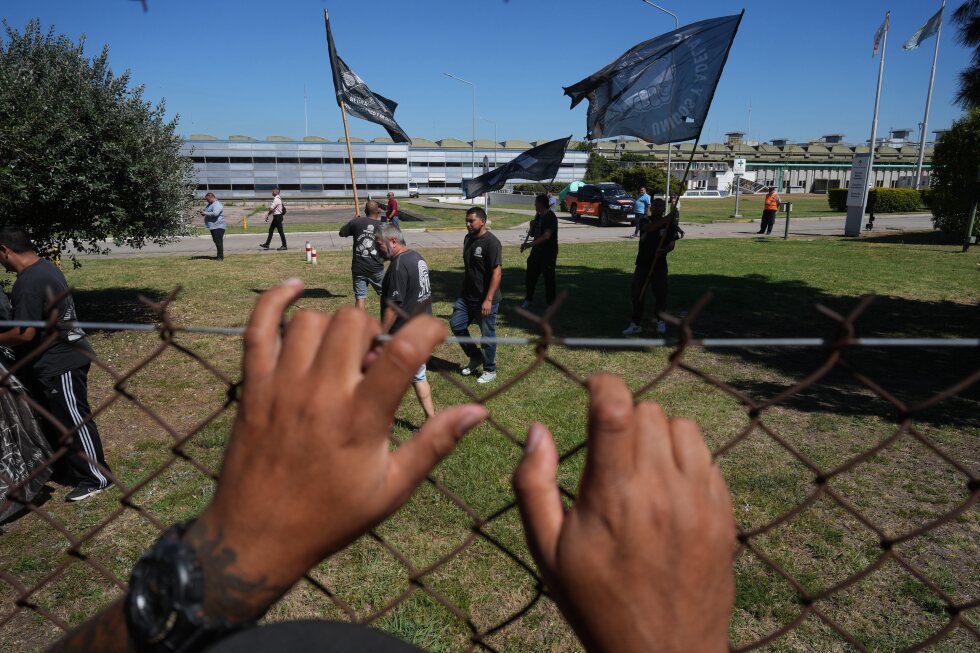
BUENOS AIRES, Argentina — Argentina’s most influential labor unions orchestrated a comprehensive nationwide strike on Thursday, creating widespread disruptions in protest against President Javier Milei’s proposed overhaul of the country’s labor legislation. This massive demonstration has escalated the confrontation between the libertarian administration and traditionally powerful worker organizations as the contentious bill approaches a pivotal legislative vote.
The strike precipitated significant operational halts across multiple sectors: financial institutions shuttered, public education facilities closed, transportation networks suspended services, airlines canceled hundreds of flights, and medical centers deferred all non-urgent surgical procedures. This coordinated action coincides with the lower house of Argentina’s Congress preparing to deliberate on the labor reform legislation, following the Senate’s preliminary approval granted one week earlier.
This formidable display of union solidarity—encompassing transportation, construction, food services, and other essential industries—emerges amid growing public dissatisfaction with the inconsistent economic recovery under Milei’s governance. While the administration has successfully stabilized government finances and curbed the nation’s previously rampant inflation, it continues to grapple with persistent unemployment, wage stagnation, and sluggish economic expansion.
President Milei maintains that modernizing Argentina’s five-decade-old labor regulations constitutes a fundamental component of his strategy to attract foreign investment, enhance productivity, and stimulate employment growth in a nation where approximately 40% of workers operate in the informal economy without legal protections.
Union representatives contend that the proposed legislation would substantially undermine longstanding worker safeguards, including reductions in traditionally generous severance packages, restrictions on strike authorization, simplified employee termination procedures, and the legalization of 12-hour workdays.
Cristian Jerónimo, a prominent leader within the General Confederation of Labor (Argentina’s largest trade union coalition), characterized the proposal as “entirely regressive” during a press conference announcing the strike, asserting that “the only priority it establishes is the restriction of workers’ rights.”
This robust union opposition has historically thwarted previous governmental attempts to reform Argentina’s antiquated labor code, which remains widely regarded as one of the most financially burdensome regulatory frameworks for corporations operating in Latin America.
The labor reform’s legislative outcome represents the first significant assessment of Milei’s political influence since his libertarian party, La Libertad Avanza, secured victory in last year’s midterm elections with support from key ally former U.S. President Donald Trump. The timing of the strike proved particularly inconvenient for the Argentine leader, who was attending the inaugural meeting of Trump’s Board of Peace initiative in Washington during the protests.
Even if the legislation passes the lower house, it must return to the Senate for final ratification due to a controversial last-minute amendment that would reduce salaries by half for workers taking leave due to non-occupational injuries or illnesses. This provision generated substantial opposition criticism and compelled the government to modify the version previously approved by the Senate.
Approximately 40% of Argentina’s 13 million formally registered workers maintain union membership according to labor estimates, with many maintaining strong affiliations with the Peronist movement that governed the country previously and dominated national politics for decades.