Fez, Morocco — Dr. Yona Elfassi, a 37-year-old sociologist and anthropologist of Moroccan Jewish heritage, has transformed his academic research into a groundbreaking cultural preservation movement. Growing up in the historically rich city of Fez—a ninth-century center of learning that produced intellectual giants like philosopher Ibn Rushd and physician Maimonides—Elfassi was immersed in a multicultural tapestry of Jewish, Arab, Amazigh, Spanish, and French influences.
This diverse background, where multiple languages and musical traditions coexisted, shaped Elfassi’s worldview. Despite Morocco’s Jewish population dwindling from 5% to approximately 2,500 today (with most of the diaspora in France, Canada, the United States, and Israel), Elfassi returned to his roots through academic pursuit. He earned dual doctorates from Sciences Po Bordeaux and Ben-Gurion University, writing his dissertation on Jewish identity among Moroccan Jews.
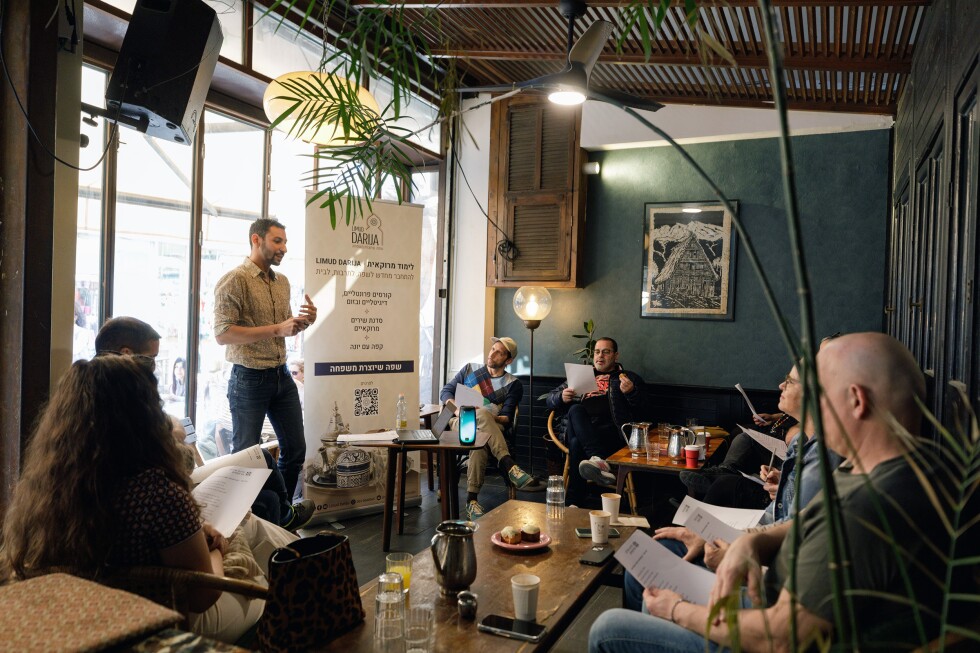
His research evolved into Limud Darija, an innovative educational platform launched post-pandemic that teaches the Moroccan Arabic dialect to diaspora communities. The hybrid program combines Zoom classes with in-person gatherings in Israel, supplemented by music workshops featuring Sephardic liturgical poems and Moroccan pop classics. The initiative has rapidly grown to over 500 active members reconnecting with their heritage through language, stories, and cultural practices.
Unexpectedly, Elfassi’s work has also attracted Moroccan Muslims through social media outreach, leading to reciprocal language exchange. A dedicated WhatsApp group now teaches Hebrew to Muslim Darija speakers, fostering connections that transcend political divisions. Participants report building relationships based on shared cultural heritage rather than geopolitical debates, effectively humanizing individuals across divides.
Testimonials from students like Yehudit Levy, a retired Israeli teacher, highlight the profound personal impact: ‘Since learning with Yona, everything comes up—songs, music, food, poetry. I smell Morocco when I am in class.’ Another alumnus, neuroscience researcher Noam Sibony, notes how language learning builds relationships that transcend regional conflicts.
Academic experts like Dr. Habiba Boumlik of LaGuardia University see parallel preservation efforts in Elfassi’s work and her own advocacy for Tamazight language. Boumlik emphasizes how Darija’s relationship to Judeo-Arabic dialects can enrich modern Moroccan vernacular while creating living connections to heritage beyond grandparents’ generation.
Elfassi envisions this people-to-people approach as fundamental peacebuilding: ‘Peace will start with people, not decision-makers. It’s two people talking, showing respect for each other’s humanity, even when they disagree.’