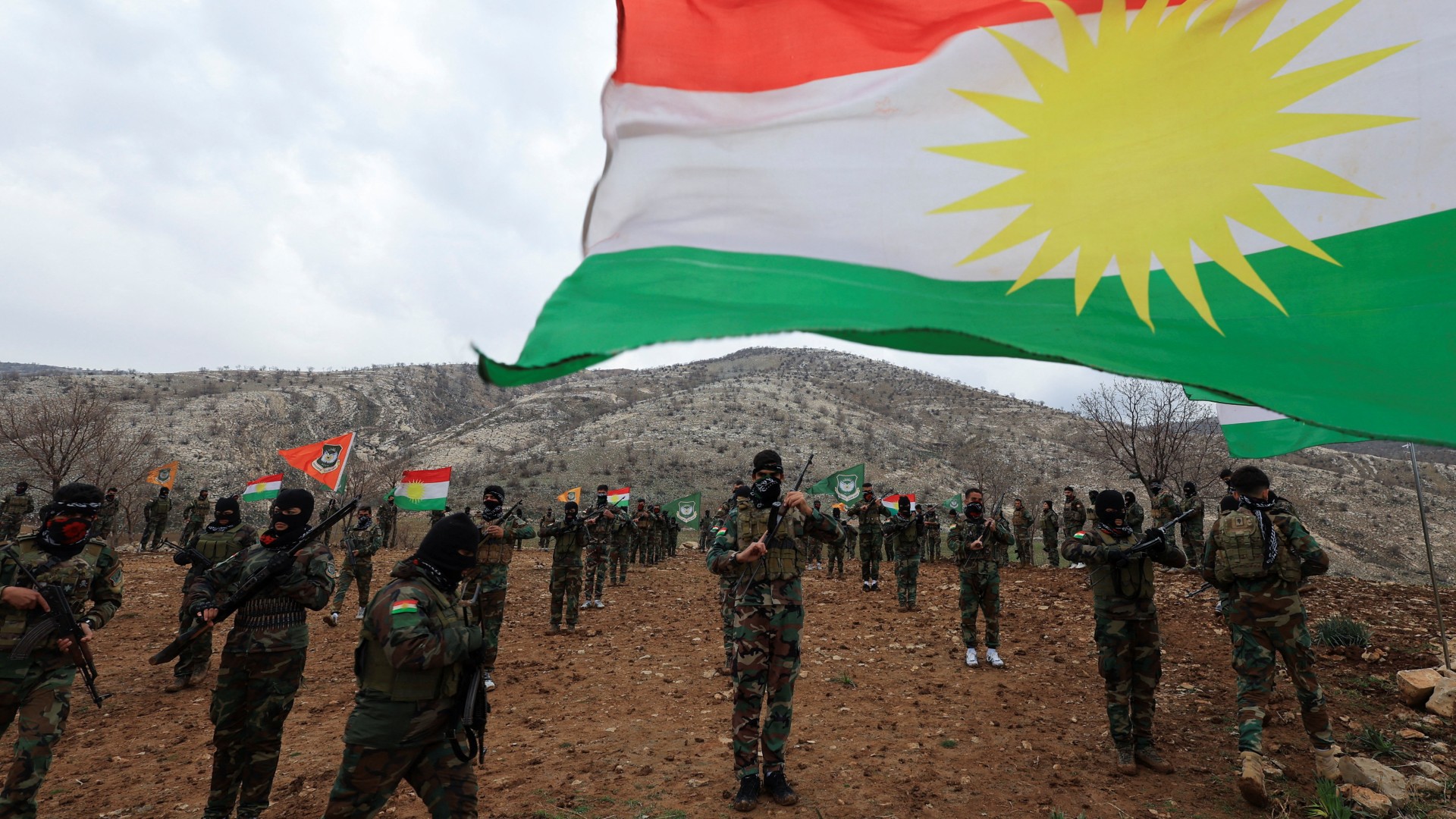
A strategic alignment between the United States and Israel is increasingly focused on supporting Kurdish insurgent activities within Iranian territory, though this initiative faces significant geopolitical challenges and regional opposition. Recent military engagements include Israeli airstrikes targeting Iranian military positions in Iranian Kurdistan on March 2-3, which prompted retaliatory actions by Iranian-backed militia Kataib Hezbollah against infrastructure in Iraq’s Kurdish Regional Government (KRG) area.
According to intelligence reports from CNN, the CIA has been actively arming Kurdish forces to stimulate a popular uprising against Tehran. This strategy aims to utilize Kurdish nationalist movements as proxy forces, avoiding direct military commitment from either the US or Israel. Senior analyst Burcu Ozcelik of the Royal United Services Institute confirms that Israeli planners have been evaluating the potential of Iranian Kurdish groups, particularly PJAK (Kurdistan Free Life Party), to incite internal rebellion.
The Kurdish political landscape has undergone significant consolidation with five major parties forming the ‘Coalition of Political Forces of Iranian Kurdistan’ on February 22, 2026. This alliance includes the Democratic Party of Iranian Kurdistan, the Kurdistan Freedom Party (PAK), PJAK, Komala, and the Organisation of Iranian Kurdistan Struggle. The coalition has established a joint diplomatic committee, an armed force, and a transitional governance framework with plans for eventual elections.
However, regional powers including Turkey, Iraq, and Azerbaijan have expressed strong opposition to any emergence of an autonomous Kurdish entity near their borders. Ankara, having recently secured victories against Kurdish forces in Syria, remains particularly vigilant about PKK-affiliated groups gaining footholds. Meanwhile, Azerbaijan maintains its strategic partnership with both Turkey and Israel while publicly condemning interventionist policies that might destabilize regional security.
Experts question the sustainability of this approach. Oral Toga of Ankara’s Centre for Iran Studies notes that even with 8,000-10,000 troops, Kurdish forces would struggle to secure meaningful gains against Iran’s security apparatus. Historical precedents also loom large—particularly the 1991 abandonment of Kurdish rebels by the US after encouraging uprising against Saddam Hussein. Iraqi First Lady Shanaz Ibrahim Ahmed recently echoed these concerns, posting a statement titled ‘Leave the Kurds Alone. We Are Not Guns for Hire.’
The strategic ambiguity surrounding end-goals presents additional complications. Barak Seener of the Henry Jackson Society notes that neither the US nor Israel has articulated a clear vision for Iran’s future political structure—whether unitary, federative, or fragmented. This tactical approach without comprehensive strategic planning risks repeating historical patterns where short-term gains fail to translate into sustainable political outcomes.