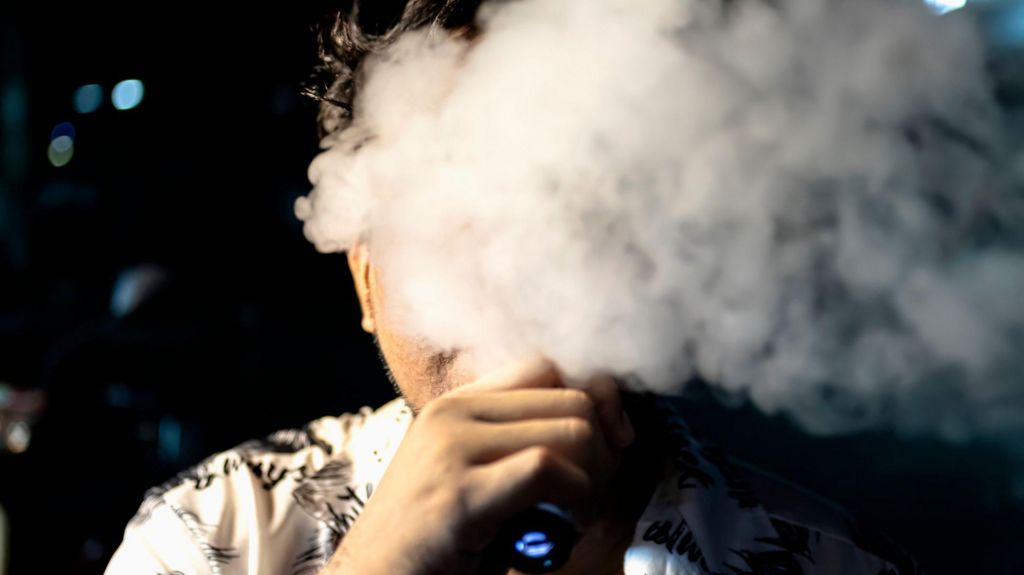
At Singapore’s Woodlands Checkpoint, the frontline of an unprecedented public health battle unfolds daily. Customs officers like Belinda Liaw conduct meticulous inspections of vehicles crossing from Malaysia, employing sophisticated detection methods to intercept illicit vaping products. Their blue-gloved hands systematically tap vehicle chassis for hidden compartments while teams scrutinize personal devices and belongings—all part of Singapore’s comprehensive campaign against electronic cigarettes.
The city-state initiated its vaping prohibition in 2018, but recent months have witnessed an intensified crackdown with severe penalties including imprisonment, mandatory rehabilitation, and even corporal punishment. This escalation responds to the emergence of drug-infused vaping products known as ‘K-pods’ on the black market, particularly alarming for a nation renowned for its zero-tolerance drug policies.
Singapore’s approach has attracted international attention, with the World Health Organization characterizing it as a potential ‘turning point’ in global tobacco and drug policy. The government has simultaneously launched a pervasive public awareness campaign featuring graphic advertisements drawing parallels between vaping and catastrophic health outcomes, including one campaign evocatively titled ‘Final Destination – ICU’.
Despite the aggressive enforcement, authorities face evolving smuggling tactics. Concealment methods have grown increasingly sophisticated, with contraband discovered hidden within air-conditioning units, electrical switch boxes, and even food transportation vehicles. The Immigration and Checkpoints Authority reports adapting their techniques continuously to match smuggler innovation.
While popular support for the anti-vaping measures appears widespread, dissenting voices emerge privately. Some adult users argue the blanket prohibition unfairly penalizes responsible consumers, potentially driving them back to traditional tobacco products. Critics question whether the 2018 ban itself created market conditions that fostered the development of more dangerous drug-laced alternatives.
Singapore’s stance contrasts sharply with approaches in countries like the United Kingdom, where vaping is promoted as a harm reduction tool for smokers. Public health experts remain divided: some argue bans eliminate a valuable smoking cessation tool, while others maintain that preemptive prohibition prevents the formation of new nicotine addictions, particularly among youth.
The global context reveals increasing regulatory action, with 46 nations implementing sales bans and 82 establishing some form of vaping regulation. However, Singapore’s combination of strict enforcement, severe penalties, and comprehensive public education remains unique in its intensity, presenting the international community with a live case study in prohibition-based public health intervention.