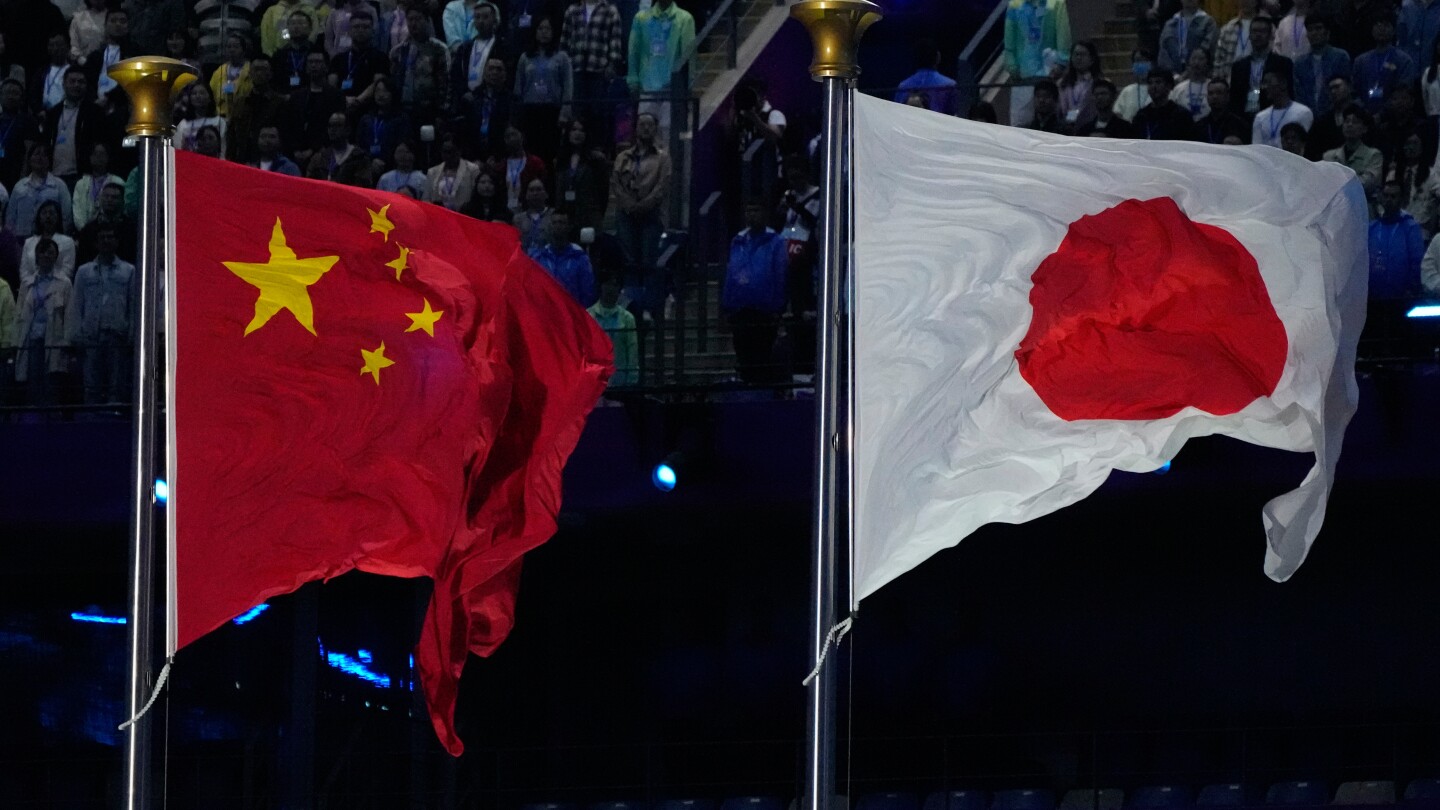
BEIJING — Diplomatic relations between China and Japan have entered a new phase of confrontation as 2026 begins, reigniting historical grievances and contemporary geopolitical tensions. The current escalation stems from November remarks by Japanese Prime Minister Sanae Takaichi suggesting Japan might intervene militarily if China moves against Taiwan—comments Beijing characterized as a direct threat to its sovereignty.
China’s Foreign Ministry spokesperson Mao Ning condemned Takaichi’s statements as “erroneous remarks” that “infringe upon China’s sovereignty and territorial integrity” during a Wednesday briefing. This diplomatic offensive follows recent Chinese military exercises around Taiwan and represents the latest chapter in a complex relationship marked by alternating cooperation and confrontation.
The current tensions are deeply rooted in historical context. Japan’s colonization of Taiwan in 1895 and its brutal occupation of parts of China in the 1930s-40s created enduring resentment that continues to shape bilateral relations. Contemporary flashpoints include disputes over the Diaoyu/Senkaku Islands and Japanese officials’ visits to the Yasukuni Shrine, which honors war criminals from Japan’s imperial past.
This week, China implemented multiple measures against Japan, including restrictions on “dual-use exports” that could be adapted for military purposes. While not specifying banned items, the move potentially affects everything from drone technology to rare earth minerals. Japan’s Foreign Ministry condemned the restrictions as “deviating significantly from international practice” and “absolutely unacceptable.”
Additionally, China launched an investigation into alleged dumping of Japanese dichlorosilane—a chemical used in chip manufacturing—after prices dropped 31% between 2022-2024. In a more provocative move, a Chinese arms control association released a report titled “Nuclear Ambitions of Japan’s Right-Wing Forces: A Serious Threat to World Peace,” accusing Japan of failing to confront its militaristic past.
Simultaneously, China conspicuously strengthened ties with South Korea, hosting President Lee Jae Myung for a four-day visit that produced 24 export contracts worth $44 million and agreements on trade, technology, and environmental cooperation. Chinese media highlighted South Korea surpassing Japan as the top destination for Chinese outbound flights, alongside government warnings about “significant risks” to Chinese citizens in Japan.
Regional analysts suggest the current tensions may prove more persistent than previous diplomatic spats. Sebastian Maslow, an East Asia specialist at the University of Tokyo, noted that “with diplomatic channels in short supply and domestic political agendas paramount, an off-ramp for the current dispute is not in sight.” The situation is further complicated by the United States’ planned arms sales to Taiwan, adding another layer of complexity to already fraught regional dynamics.