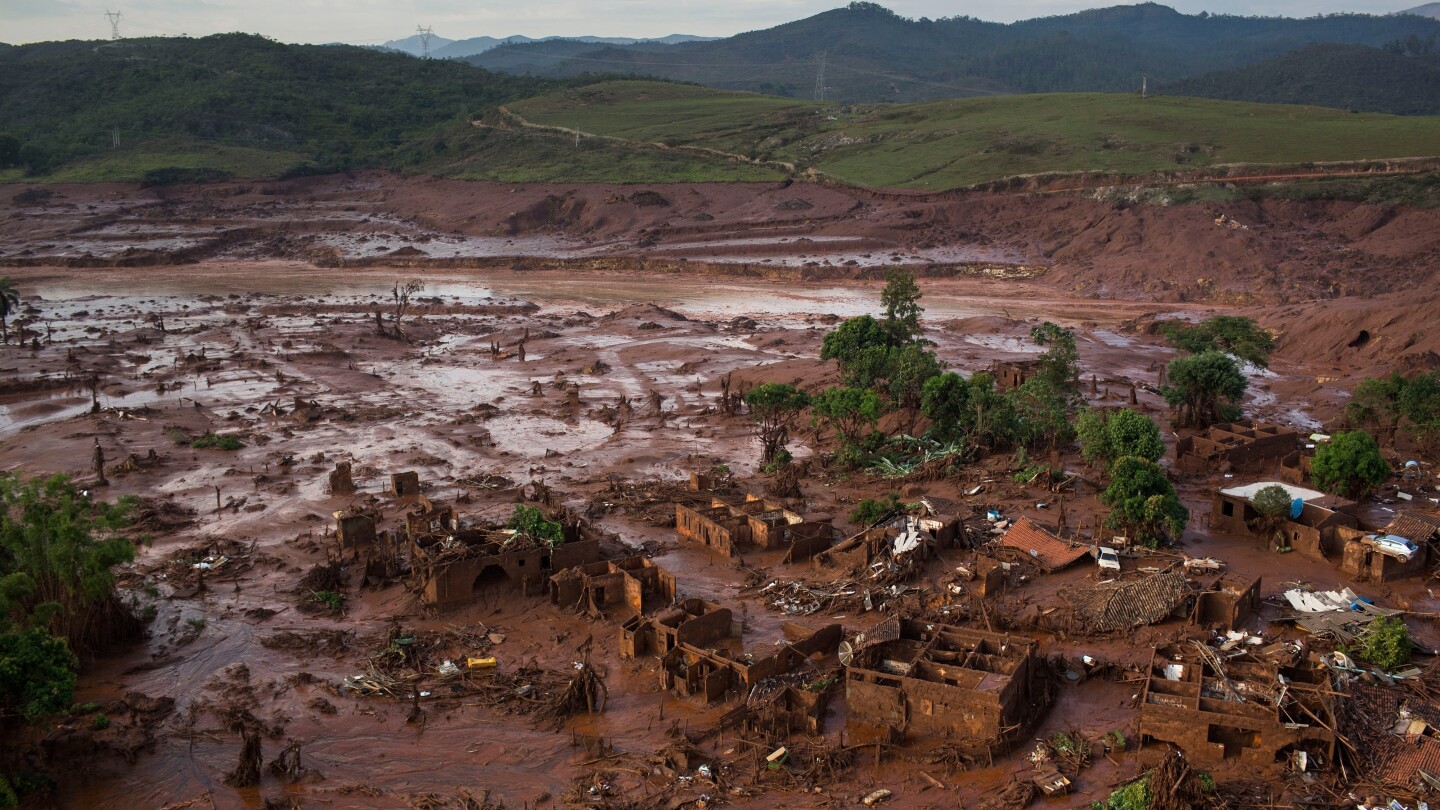
In November 2015, the Indigenous Krenak people of Minas Gerais, Brazil, witnessed what they now refer to as “the death of the river.” A week before the catastrophic event, they sensed an ominous change—birds ceased their songs, the air grew heavy, and an eerie silence enveloped their village. On November 5, the Samarco mining dam, a joint venture between Brazilian company Vale and Anglo-Australian BHP Billiton, collapsed near Mariana, unleashing a torrent of toxic iron ore waste. The disaster buried the nearby community of Bento Rodrigues, claimed 19 lives, and contaminated the Doce River for nearly 600 kilometers before reaching the Atlantic Ocean. For the Krenak, whose lives revolved around the river for food, rituals, and daily sustenance, the tragedy was not just environmental but deeply spiritual. Shirley Djukurnã Krenak, an Indigenous leader, described it as “the saddest day for my people.” A decade later, the river remains polluted, and reconstruction efforts have been mired in legal disputes. Despite Brazil’s ambition to lead global climate policy, hosting the UN’s COP30 summit in 2025, the unresolved legacy of Mariana casts doubt on its credibility. Indigenous congresswoman Célia Xakriabá emphasized that the Doce River is still “sick,” with contaminated fish and ill communities. Critics argue that Brazil’s environmental governance remains flawed, citing weakened laws and inadequate funding for environmental agencies. The 2015 disaster exposed systemic vulnerabilities, yet subsequent deregulation and policies like the “devastation bill” threaten to undermine Brazil’s climate goals. As COP30 approaches, Indigenous leaders like Krenak remain skeptical of its impact, calling for genuine action to protect rivers, forests, and Indigenous territories. Despite the challenges, they hold onto hope for a future where their children can drink water without fear.
A decade after Brazil’s deadly dam collapse, Indigenous peoples demand justice on the eve of COP30