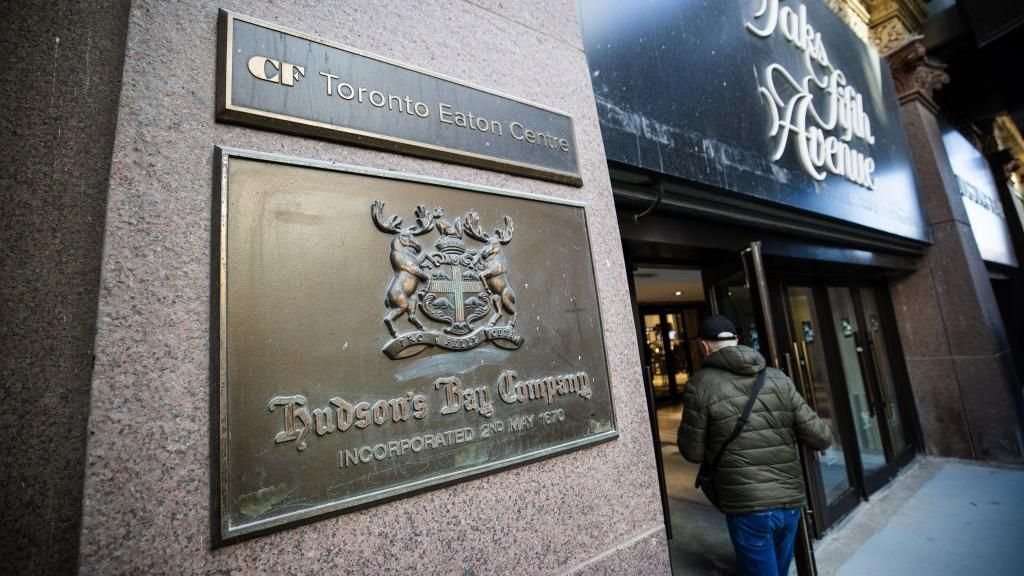
In a landmark transaction preserving Canadian heritage, the 1670 Royal Charter of the Hudson’s Bay Company—one of Canada’s foundational documents—has been acquired for C$18 million (approximately $13 million USD) by a consortium of the nation’s wealthiest families. The 355-year-old charter, which granted the Hudson’s Bay Company extensive governmental powers over vast territories in present-day Canada, reached auction following the corporation’s bankruptcy filing earlier this year.
The successful bid, submitted by entities controlled by the Weston family and David Thomson (chairman of Thomson Reuters), guarantees the historically significant document remains in Canada. Under the acquisition terms, the charter will enter shared custodianship among several prominent Canadian institutions: the Archives of Manitoba, the Manitoba Museum, the Canadian Museum of History, and the Royal Ontario Museum. Additionally, the agreement includes a C$5 million endowment dedicated to stewardship and public education initiatives related to the document, pending final court approval.
Originally issued by King Charles II, the charter empowered the Hudson’s Bay Company to enact laws, establish colonies, and negotiate treaties within territories that now constitute modern Canada. According to Dr. Cody Groat, assistant professor of history and indigenous studies at Western University, this document enabled the company to ‘operate as both a corporation and as a government’ during colonial expansion. It also later provided the legal basis for the company’s 1869 sale of North American territories to Canada—a transaction conducted without Indigenous consent.
The charter’s journey includes storage at Windsor Castle, relocation to company headquarters in London, wartime safekeeping in Hertfordshire during the Blitz, and eventual transfer to Toronto in the 1970s. While most company archives were donated to Manitoba in the 1990s, the charter remained a corporate asset until recent bankruptcy proceedings triggered concerns about its potential departure from public access. The successful bid emerged after sustained public pressure and competitive offers from wealthy families and corporations seeking to donate the artifact to public institutions.
The Hudson’s Bay Company stated the charter will now be managed by institutions committed to ‘working in consultation with Indigenous communities so the Charter’s complex history can be acknowledged, interpreted and shared with all Canadians.’