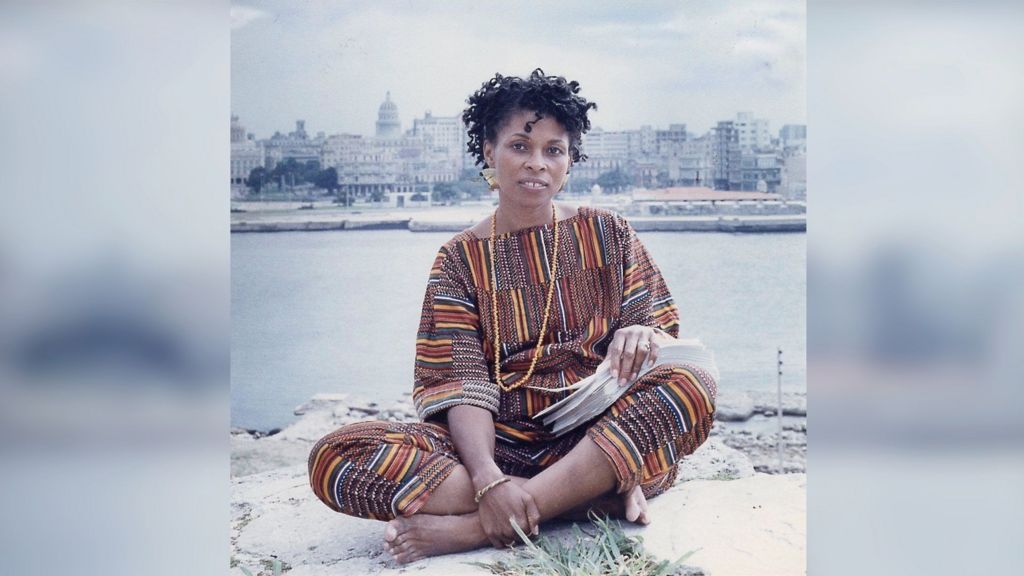
Assata Shakur, a prominent figure in the Black Liberation Army who spent over four decades in exile in Cuba, has passed away in Havana at the age of 78. Known also as Joanne Chesimard, Shakur died on Thursday due to unspecified health issues compounded by her advanced age, as confirmed by Cuba’s foreign affairs ministry in a statement released on Friday. Shakur had been a fugitive since her 1979 escape from a New Jersey women’s prison, where she was serving a life sentence for her alleged involvement in a 1973 shootout that resulted in the death of a New Jersey state trooper and a fellow activist. Despite her conviction, Shakur consistently maintained her innocence. She resurfaced in Cuba in 1984, where she was granted political asylum by then-President Fidel Castro. Born JoAnne Deborah Byron in New York City in July 1947, Shakur grew up between the city and Wilmington, North Carolina. She was the step-aunt and godmother of the late rapper Tupac Shakur. Her activism began during her college years, initially with the Black Panther Party, which advocated for radical resistance against racial injustice and provided social services for Black communities. Later, she joined the more militant Black Liberation Army, composed largely of former Black Panthers. The FBI, which viewed these groups as threats, heavily surveilled them. The 1973 incident that led to her imprisonment occurred when her car was stopped by New Jersey police, resulting in a shootout that claimed the lives of state trooper Werner Foerster and activist Zayd Malik Shakur. Shakur was injured and subsequently arrested. She argued that her trial, conducted before an all-white jury, was unjust. In a 1998 interview with NBC News, Shakur stated that she fled the U.S. fearing for her life and believing she would never receive fair treatment. Her asylum in Cuba remained a contentious issue in U.S.-Cuba relations. Shakur was the first woman to be placed on the FBI’s Most Wanted Terrorists list, with both the FBI and New Jersey offering $1 million rewards for her capture. Her legacy has been immortalized in music, with references in songs like Public Enemy’s ‘Rebel Without a Pause’ and Common’s ‘A Song for Assata.’ She is survived by her daughter, Kakuya Shakur, who expressed profound grief over her mother’s passing on Facebook.