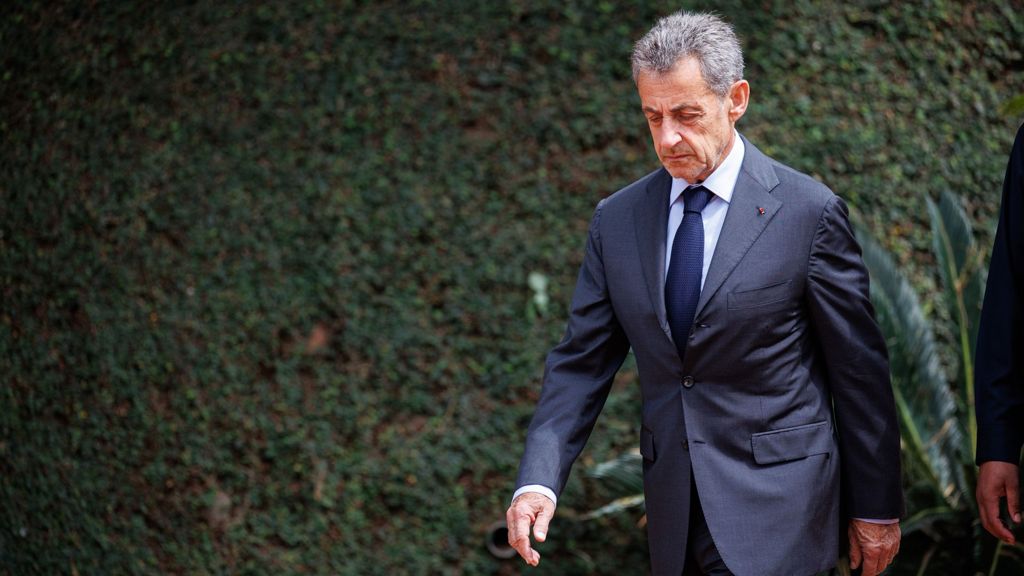
Former French President Nicolas Sarkozy has been sentenced to five years in prison, marking a historic moment as he becomes the first ex-president of France to face such a fate. The verdict, delivered on Thursday in the high-profile ‘Libyan money’ trial, has reignited the polarizing debates that have long surrounded Sarkozy’s political career. Convicted of criminal conspiracy, Sarkozy expressed vehement outrage, claiming to be a victim of ‘limitless hatred’ from his adversaries. This case has once again highlighted the deep-seated divisions within French society and its political landscape. Sarkozy, who has consistently portrayed himself as a target of a left-wing judicial and media conspiracy, now faces a humiliating punishment that his supporters argue is disproportionate. The court acquitted him of three charges—illegal party funding, embezzlement of Libyan funds, and corruption—but convicted him on the broader charge of ‘criminal association,’ often used in cases involving organized crime. Critics question the severity of the sentence, especially given the 20-year gap since the alleged offense and the non-suspensive nature of the punishment, which means Sarkozy will serve time even if he appeals. The case has drawn sharp reactions from both ends of the political spectrum. Marine Le Pen, leader of the far-right National Rally, condemned the verdict as an example of judicial overreach, while the left views it as evidence of systemic privilege among the powerful. Sarkozy’s legal troubles are not new; he has previously been convicted on charges of corruption and illegal campaign financing. This latest chapter underscores the enduring influence of his controversial legacy on French politics, even as he remains a figure of the past. The trial has laid bare the fractures in a nation already deeply divided, with Sarkozy’s supporters and detractors clashing over the implications of his sentencing.