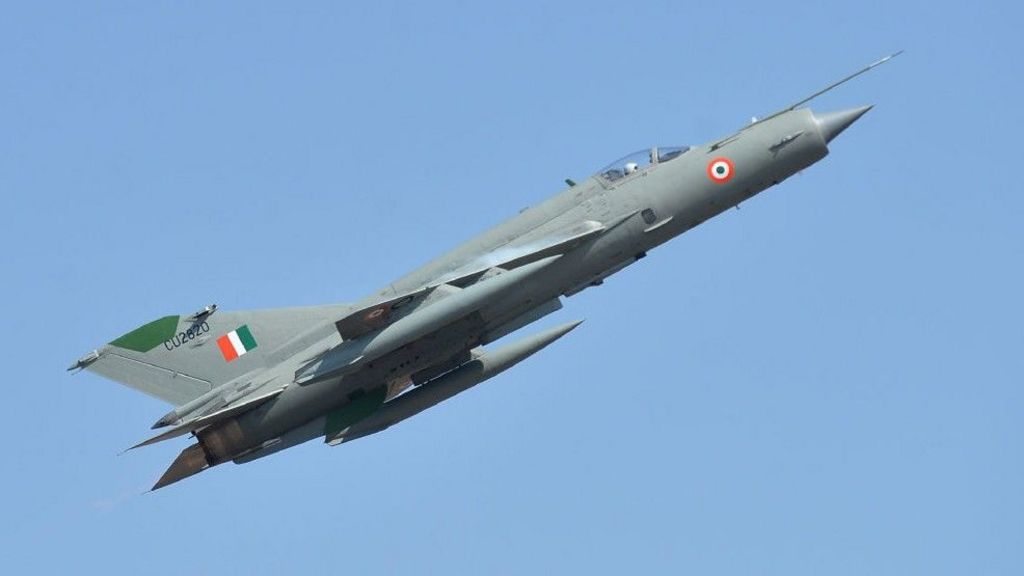
The MiG-21, once the backbone of the Indian Air Force (IAF), is set to take its final flight, marking the end of an era for one of the most iconic fighter jets in aviation history. For decades, the MiG-21 dominated the skies, comprising two-thirds of the IAF’s fighter fleet at its peak. Pilots who flew the aircraft recall its blistering speed and versatility, but also its grim reputation as a ‘flying coffin’ due to a series of fatal crashes in its later years.
Designed by the Soviet Union and first inducted into the IAF in 1963, the MiG-21 was renowned for its needle-nose design, supersonic speed, and ability to climb rapidly. It became a cornerstone of India’s defense strategy, playing pivotal roles in conflicts such as the 1971 war with Pakistan. Pilots adapted the aircraft for close combat and ground attacks, pushing it beyond its original design limitations.
However, the MiG-21’s legacy is marred by tragedy. Between 1971 and 2012, 482 crashes were recorded, resulting in the deaths of 171 pilots, 39 civilians, and others. Analysts attribute these accidents to aging airframes, high landing speeds, and stretched maintenance cycles. Despite its flaws, the MiG-21 remained in service far longer than expected due to delays in developing replacements.
For retired Air Marshal Prithvi Singh Brar, who flew the MiG-21 for 26 years, the aircraft was more than a machine—it was a trusted partner in the sky. ‘I loved flying the MiG-21 the way a bird loves the sky,’ he recalls. Yet, as India retires its last two MiG-21 squadrons, the IAF faces a significant gap, with only 29 fighter units operational against a sanctioned 42.
The MiG-21’s retirement symbolizes the end of a chapter in India’s aviation history, leaving behind a legacy of both admiration and caution. As the skies grow quieter, the memories of those who flew this legendary jet will endure, a testament to its enduring impact on India’s defense and aerospace industry.