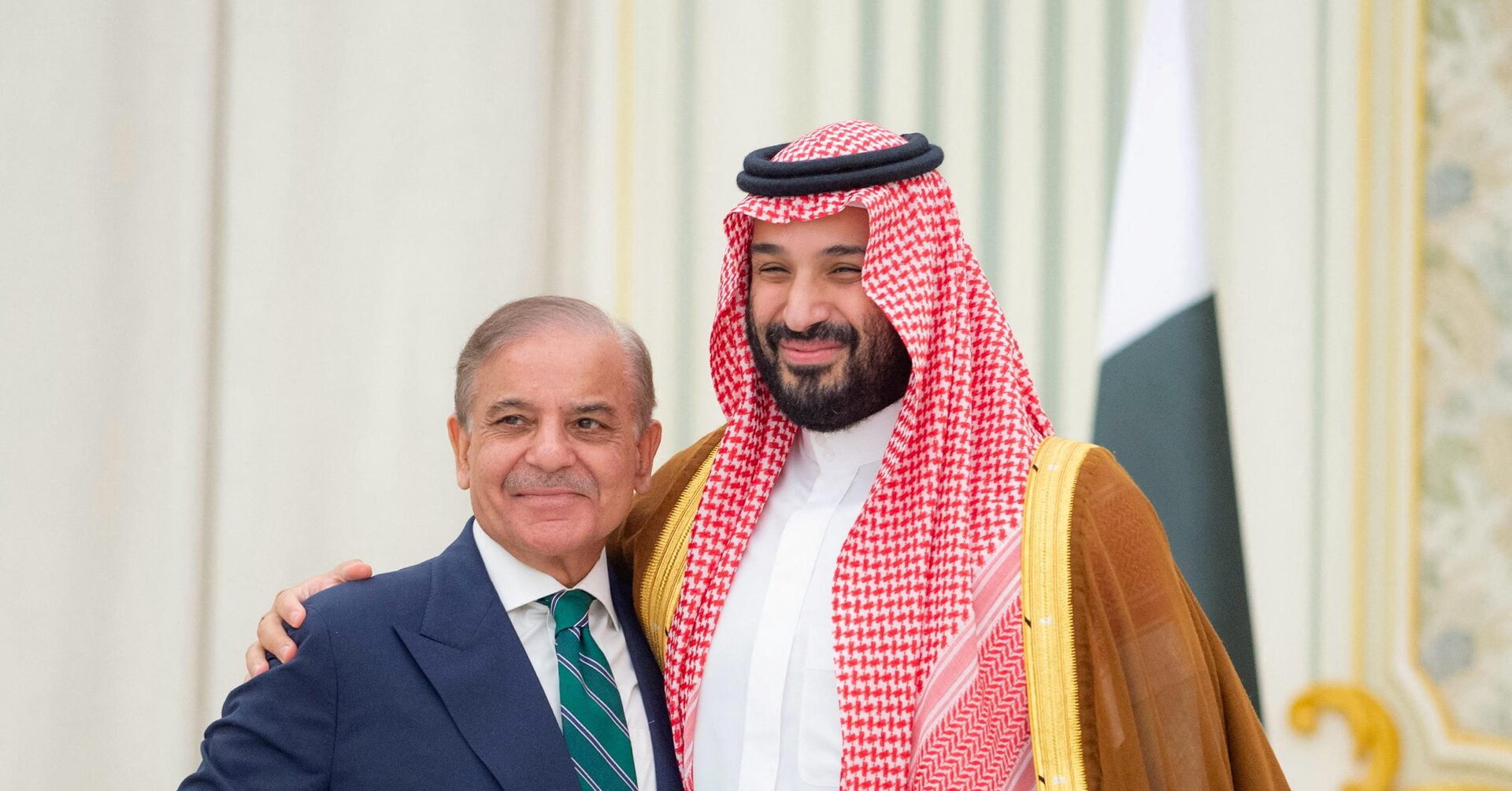
In a significant geopolitical move, Saudi Arabia and Pakistan have solidified their alliance through a landmark defense agreement, signed on September 17, 2025, in Riyadh. The pact, termed the ‘Strategic Mutual Defense Agreement,’ underscores a deepening partnership between the two nations, particularly in the face of escalating regional tensions. While the specifics of the agreement remain undisclosed, analysts suggest it effectively combines Saudi Arabia’s financial resources with Pakistan’s formidable military capabilities, including its nuclear arsenal. Pakistan, the sole nuclear-armed Muslim-majority nation, has historically maintained its nuclear doctrine focused on deterring India, its long-standing adversary. However, the agreement has sparked speculation about Riyadh’s potential access to a nuclear shield, a development that could significantly alter the security dynamics of the Middle East. Saudi Arabia, increasingly wary of Israel’s military actions and Iran’s nuclear ambitions, appears to be seeking alternative security assurances beyond its traditional reliance on the United States. The pact also reflects a broader trend of Gulf states diversifying their defense partnerships amid waning confidence in U.S. commitments to the region. Pakistan’s Prime Minister Shehbaz Sharif expressed gratitude to Saudi Crown Prince Mohammed bin Salman for fostering stronger economic and strategic ties. Meanwhile, the agreement has drawn attention from neighboring countries, including India and Iran, who are likely to assess its implications for regional stability. As the Middle East navigates a complex security landscape, the Saudi-Pakistan defense pact marks a pivotal moment in the region’s evolving geopolitical alliances.