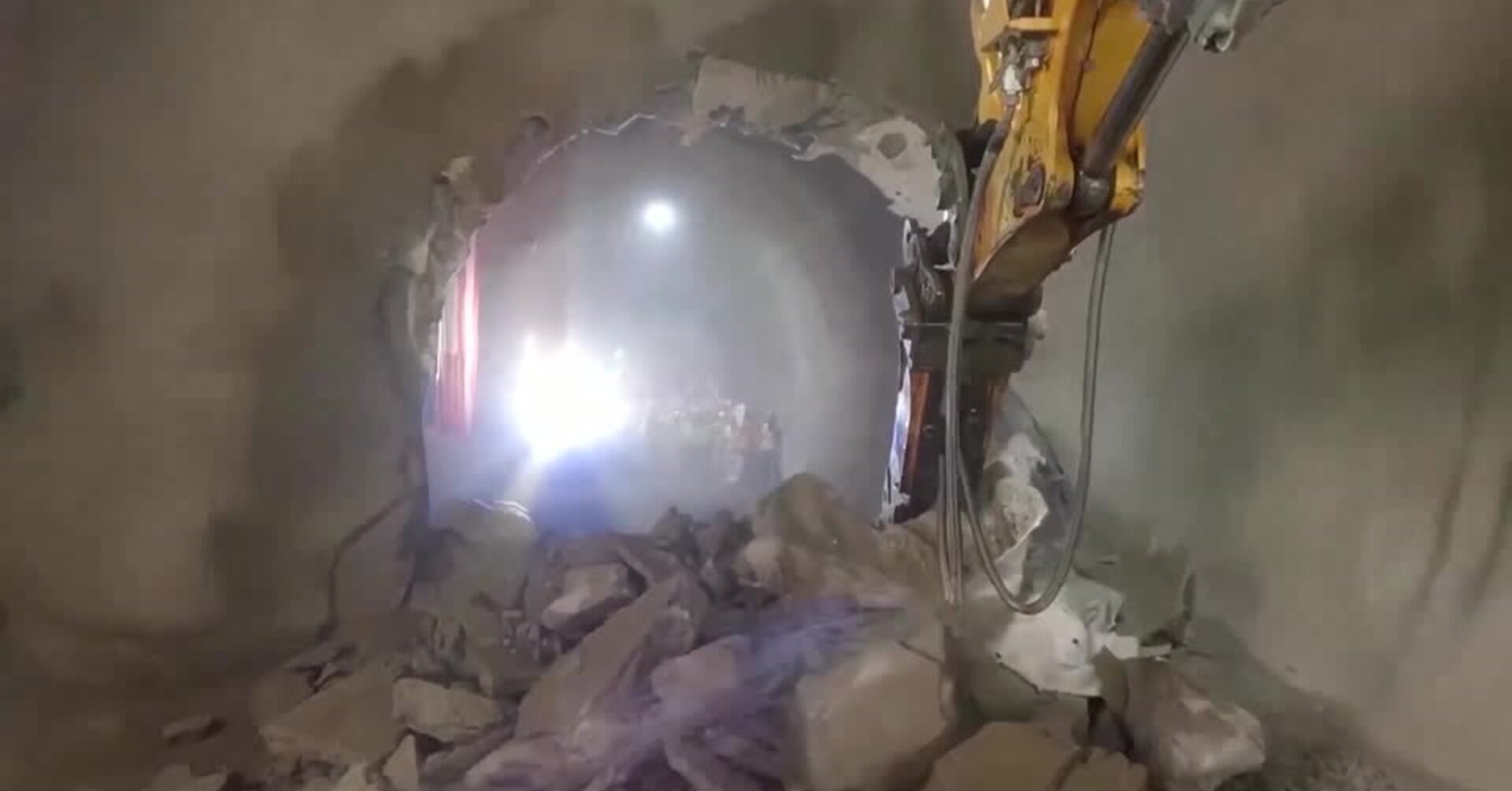
In a landmark achievement for European infrastructure, workers on Thursday breached the final layer of rock in the construction of the Brenner Base Tunnel, a monumental project set to become the world’s longest underground rail connection. This tunnel, linking Austria and Italy, is a cornerstone of the European Union’s strategy to reduce road freight traffic, lower pollution, and enhance cross-border trade. Italian Prime Minister Giorgia Meloni hailed the event as a “decisive step” in building one of the continent’s most ambitious infrastructure projects, calling it a historic milestone for Italy, Austria, and Europe as a whole. Scheduled to open in 2032—16 years behind schedule—the tunnel will span 55 kilometers (34 miles) and, when connected to an existing underground link to Innsbruck, extend to 64 kilometers. It promises to slash travel times between Fortezza, Italy, and Innsbruck, Austria, from 80 minutes to under 25 minutes. The Brenner Pass, one of Europe’s busiest freight routes, currently sees over 2.5 million trucks and 50 million tonnes of goods annually, contributing to severe congestion and environmental strain. The tunnel aims to shift 70% of trans-Alpine freight traffic from roads to rail, reversing the current imbalance. However, the project’s full potential could be hindered by Germany’s delay in finalizing crucial northern access routes to the tunnel, which are essential for maximizing its impact on reducing road traffic through the Alps. With a budget now exceeding 8.5 billion euros ($10 billion), the Brenner Base Tunnel represents a significant investment in Europe’s sustainable transportation future.